
Gypsum plaster is formulated to meet specific application and finishing requirements. Its performance depends on the gypsum binder, fillers, water ratio, additives and application conditions. HPMC is one functional additive used in some gypsum-based systems to help adjust fresh-mix consistency and application behavior.
Choosing an HPMC grade for gypsum plaster involves more than comparing a viscosity value. The intended application method, gypsum source, other formulation components and required working time all matter. This guide explains what to evaluate when selecting and testing HPMC in gypsum plaster.
HPMC is a water-soluble cellulose ether used in construction materials. Depending on the grade and formulation, it can influence water retention, consistency and workability. These properties may affect how plaster is picked up by a tool, spread across a surface and finished.
HPMC does not work in isolation. The final behavior of a gypsum plaster depends on the complete formulation and the raw materials used. A grade that performs well in one system may not give the same result in another.
HPMC also should not be treated as the only factor controlling gypsum setting. Setting behavior depends on the gypsum binder and the overall formulation, including any setting-control additives. Evaluate working time and setting time separately during trials.
Gypsum plaster applied by hand and plaster applied by machine may have different performance priorities. The required balance of consistency, flow and finish depends on the equipment, application process and target product.
| Evaluation area | Hand-applied plaster | Machine-applied plaster |
|---|---|---|
| Fresh-mix consistency | Easy to pick up and spread with a trowel | Consistent flow through the mixing and spraying equipment |
| Application behavior | Smooth application with manageable tool resistance | Stable application during spraying and subsequent leveling |
| Surface finish | Even surface after troweling | Uniform surface after spraying and finishing |
| Trial observations | Workability, sag resistance and finishing feel | Pumping or spraying behavior, consistency and finishing feel |
These are practical evaluation points, not guaranteed results from a particular HPMC grade. Test the grade in the intended gypsum formulation and with the intended application process.

Viscosity is one specification to review, but it should be considered alongside the performance of the complete plaster system. Useful evaluation factors include:
Target consistency: How the fresh plaster should flow, spread and hold its shape.
Water retention: Whether the formulation maintains the required moisture during application.
Dispersion and dissolution: Whether the HPMC can be incorporated consistently using the production process.
Gypsum characteristics: The gypsum source, particle size and other raw-material properties.
Other additives: Fillers, lightweight aggregates and setting-control components may affect the final behavior.
Application conditions: Water ratio, mixing procedure, substrate and ambient conditions can influence the result.
A viscosity number should also be compared under the relevant test conditions. Values measured using different concentrations, temperatures or methods may not be directly comparable.
A controlled comparison can help identify whether an HPMC grade is suitable for a particular system.
Set a baseline formulation. Record the gypsum, fillers, additives and water ratio.
Change one factor at a time. Keep the other raw materials and mixing conditions consistent when comparing grades.
Use the intended application process. Test with the same mixing equipment and, where relevant, the same spraying or finishing method.
Record fresh-mix behavior. Note consistency, workability, sag resistance and ease of finishing.
Observe working and setting times separately. Use a consistent test method and record the conditions.
Repeat the trial. Check whether the result is consistent before making a larger formulation change.
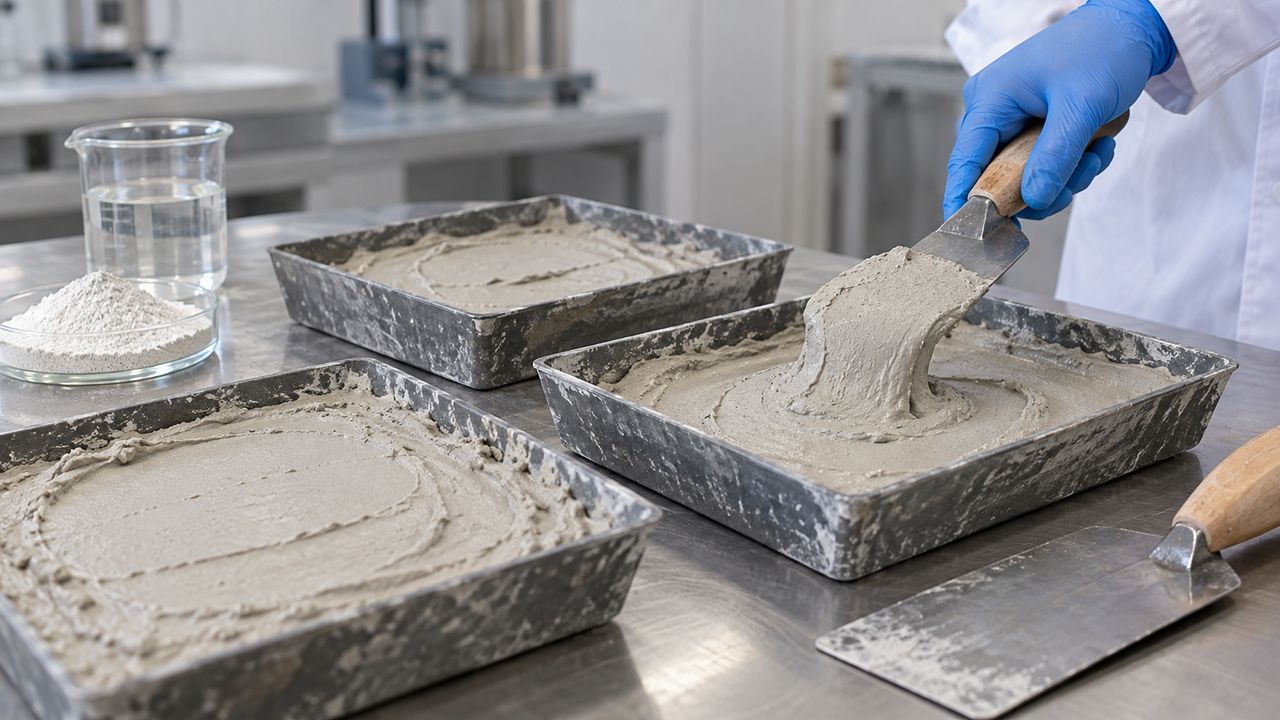
HPMC can influence fresh-mix handling and water retention, which may affect the application window. It should not be treated as the sole setting-time control. Evaluate the gypsum binder and the complete formulation, and measure working time and setting time separately.
Do not assume that a grade will perform identically in both applications. Hand and machine application can require different fresh-mix behavior. Test the grade using the intended process and equipment.
No. The best choice depends on the target consistency and performance of the entire formulation. Compare grades in the actual gypsum system instead of choosing by viscosity alone.
Share the type of gypsum plaster, application method, current formulation requirements and the performance issue you want to address. This helps make the sample evaluation more relevant to your production process.
HPMC selection for gypsum plaster should be based on the formulation’s application and finishing requirements. Consider the gypsum system, application method and other additives, then use controlled trials to compare workability, water retention, surface finish and setting behavior.
Xingzhenghe Chemical supplies construction-grade HPMC for building-material applications. Contact us to discuss your gypsum plaster requirements, request product information or arrange a sample for evaluation.
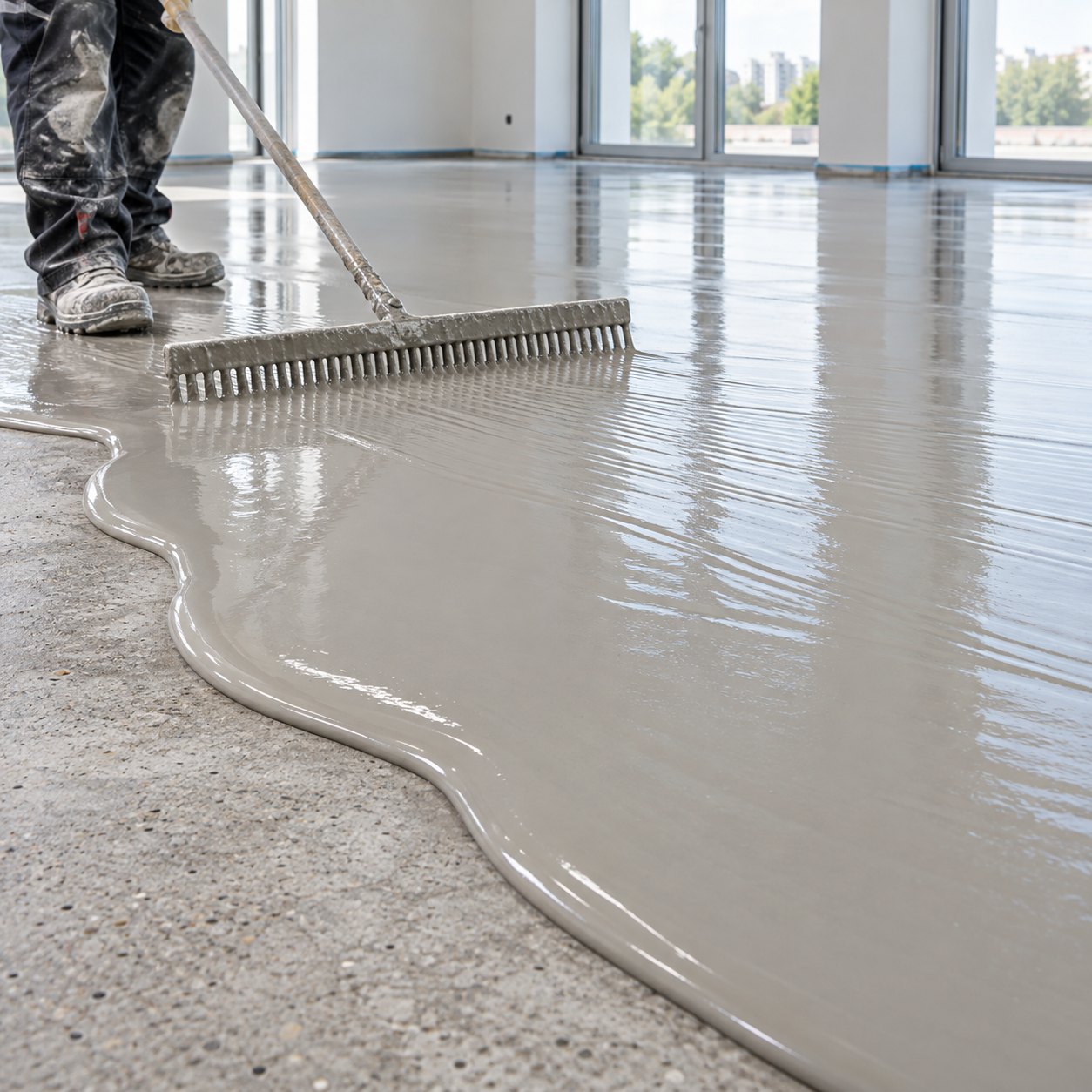 HPMC in Self-Leveling Mortar: Evaluating Flow, Stability and Surface Quality
 HPMC in Gypsum Plaster: How It Affects Workability, Water Retention and Surface Finish
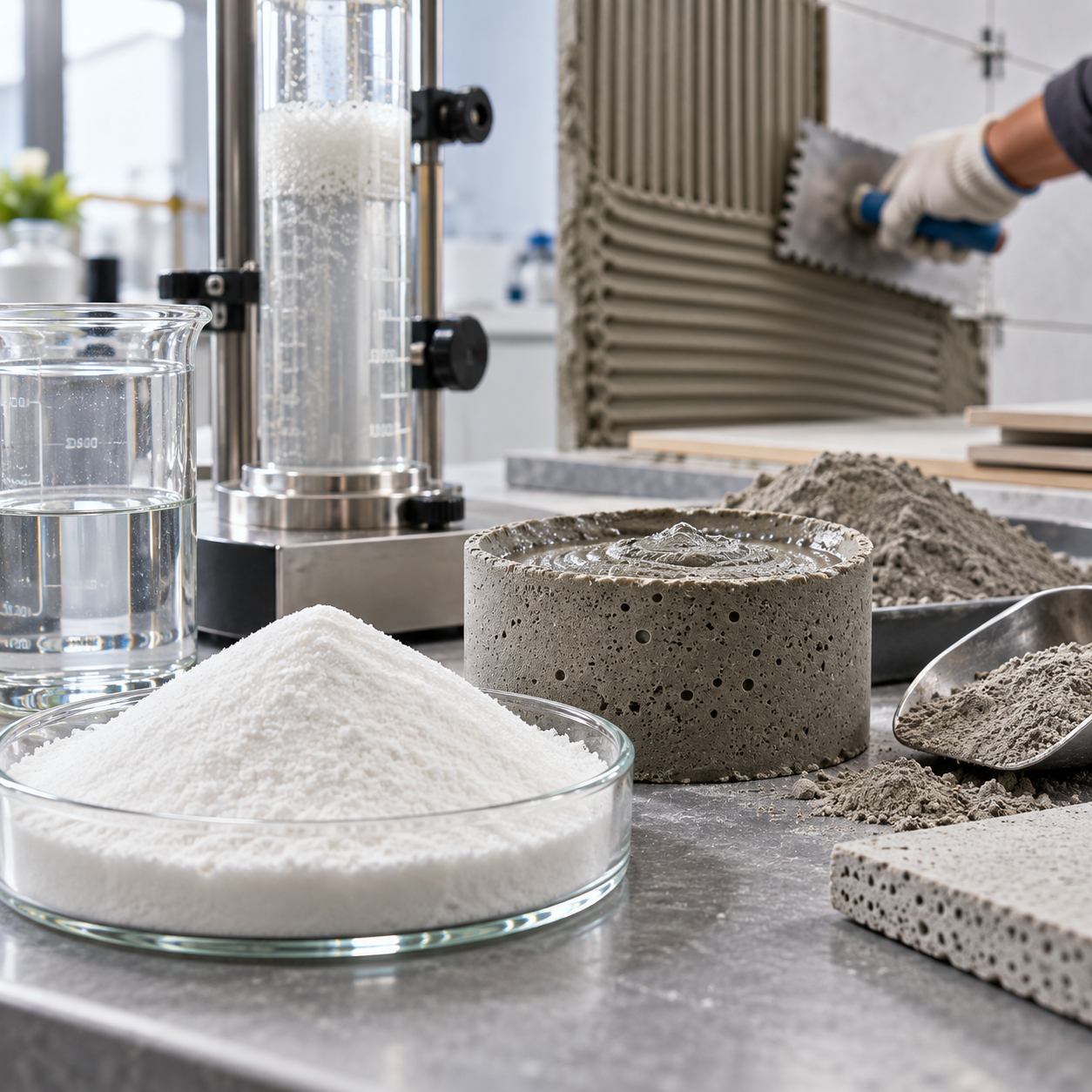 Why Does HPMC-Modified Mortar Contain Too Much Air? Causes, Testing and Formulation Troubleshooting
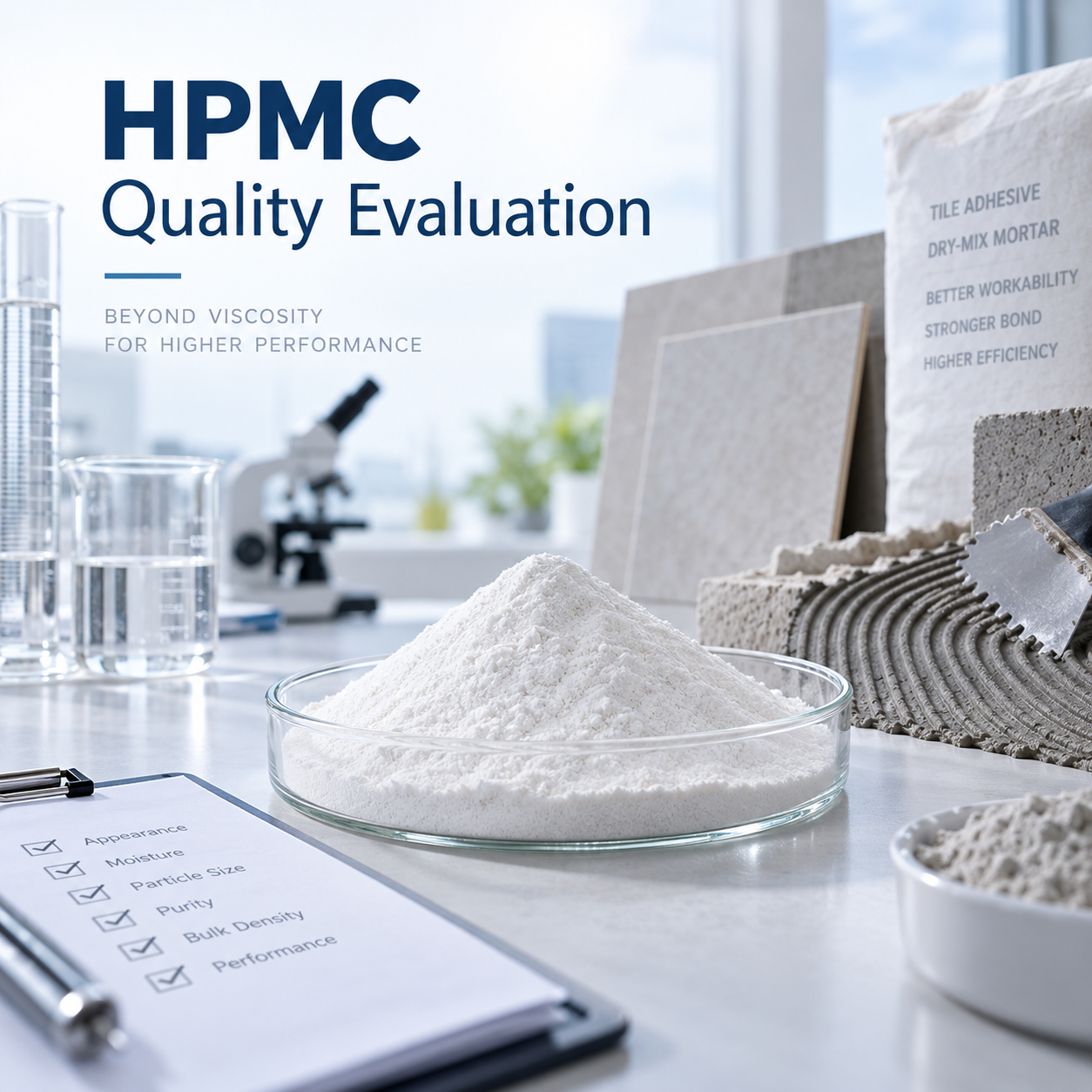 How to Evaluate HPMC Quality Beyond Viscosity? Key Parameters for Construction Grade HPMC Selection

