
Self-leveling mortar is formulated to spread across a surface while maintaining a consistent fresh-mix state. The performance of a formulation depends on its binder, fillers, water content, additives and mixing conditions. When HPMC is included, its effect should be evaluated as part of the complete formulation.
A result from one self-leveling compound cannot automatically be applied to another. This article outlines practical evaluation points for HPMC in cement-based self-leveling mortar and explains how to run a controlled comparison.
When assessing HPMC in a self-leveling formulation, the goal is to understand how the mixture behaves during preparation, spreading and the period after mixing. HPMC may influence the consistency and water-retention behavior of a formulation. The result depends on the grade, amount used and the other components in the mix.
The target is not simply to make the mortar thicker or more fluid. The mix should meet the formulation’s requirements for spreading, stability and surface finish. Any change to HPMC should therefore be evaluated against the complete set of product requirements.
| Test area | What to observe |
|---|---|
| Initial flow | Whether the fresh mix spreads consistently under the chosen test conditions |
| Flow retention | Whether the spreading behavior changes during the defined observation period |
| Mixture stability | Whether visible separation or uneven distribution occurs during the test |
| Surface appearance | Whether the placed material forms the intended surface under the test conditions |
| Repeatability | Whether the same formulation and process produce comparable observations |
Use the same test method and timing for each comparison. If the water content, mixing process or observation period changes between trials, it becomes harder to determine what caused a difference.
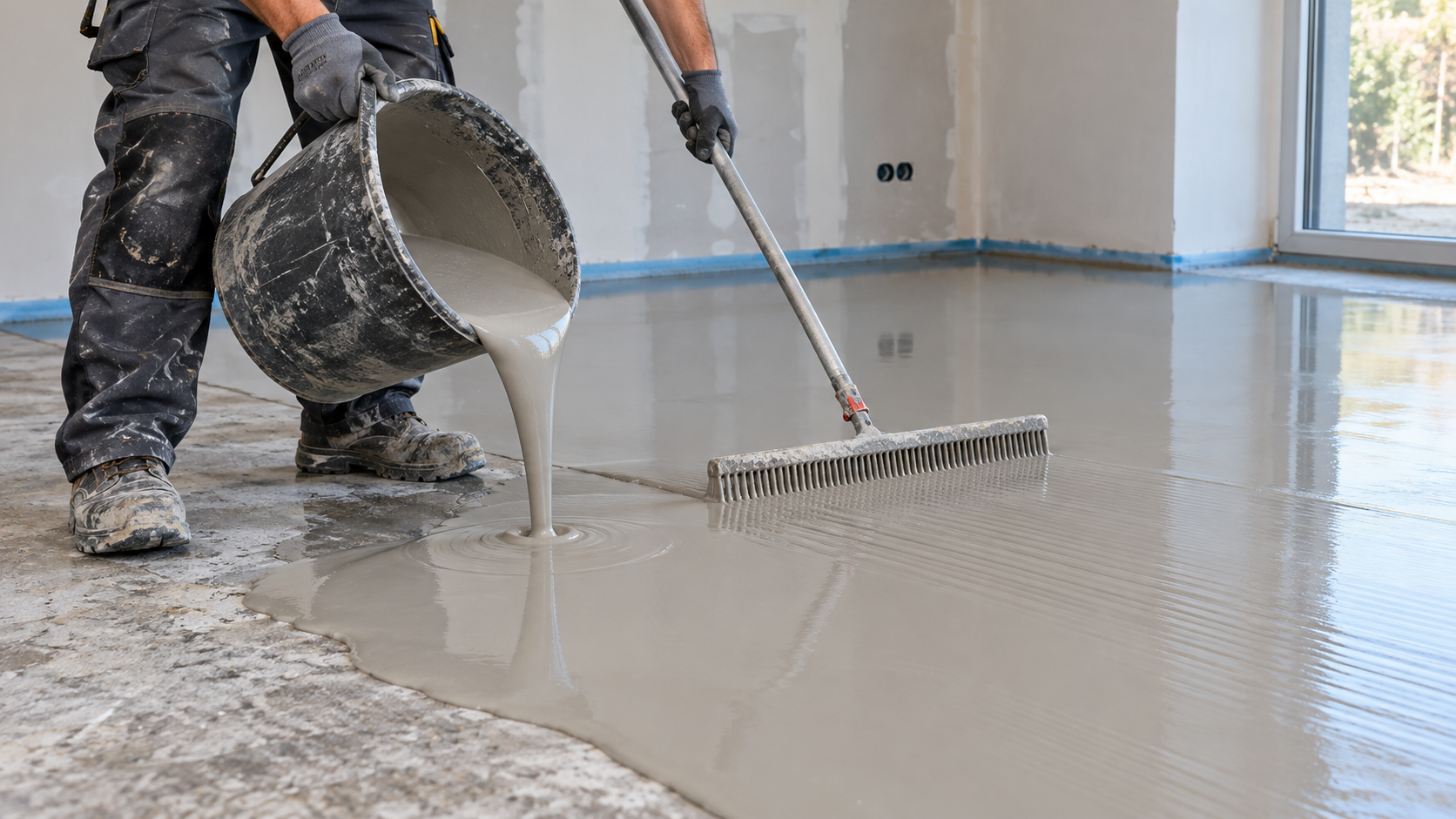
The grade and amount of HPMC should be evaluated in relation to the target formulation. A specification such as viscosity can support initial screening, but it does not describe every aspect of performance in the finished compound.
Avoid assuming that one grade or addition level will suit all self-leveling systems. Compare candidate grades in the same base formulation and keep the other test conditions consistent.
Changes in binder or filler materials can alter the fresh-mix behavior. If the raw materials change, repeat the relevant formulation checks instead of relying only on results from an earlier version of the recipe.
Water content and mixing conditions are part of the test setup. Record the amount of water, mixing sequence, mixing time and any defined rest period. Keep them consistent when comparing HPMC grades.
Other additives may affect flow and stability. When evaluating HPMC, record the complete formulation so that observations can be reviewed in context. Avoid changing several components at once.
A side-by-side test can help determine whether an HPMC grade is suitable for a particular self-leveling mortar.
Record the base formulation. Note the binder, fillers, additives and water content.
Set a consistent mixing procedure. Use the same equipment, sequence and mixing time for each sample.
Change one variable at a time. When comparing HPMC grades, keep the remaining formulation unchanged.
Check the fresh mix promptly. Record initial flow and visible mixture condition using the same procedure.
Repeat observations at defined times. Note whether flow or appearance changes during the observation period.
Review the placed surface. Use the same substrate, sample size and placement conditions when comparing results.
Repeat the test. Confirm that the observation is reproducible before making a larger formulation adjustment.
The results apply to the tested recipe and conditions. If the formulation, raw materials or mixing process changes, the evaluation may need to be repeated.
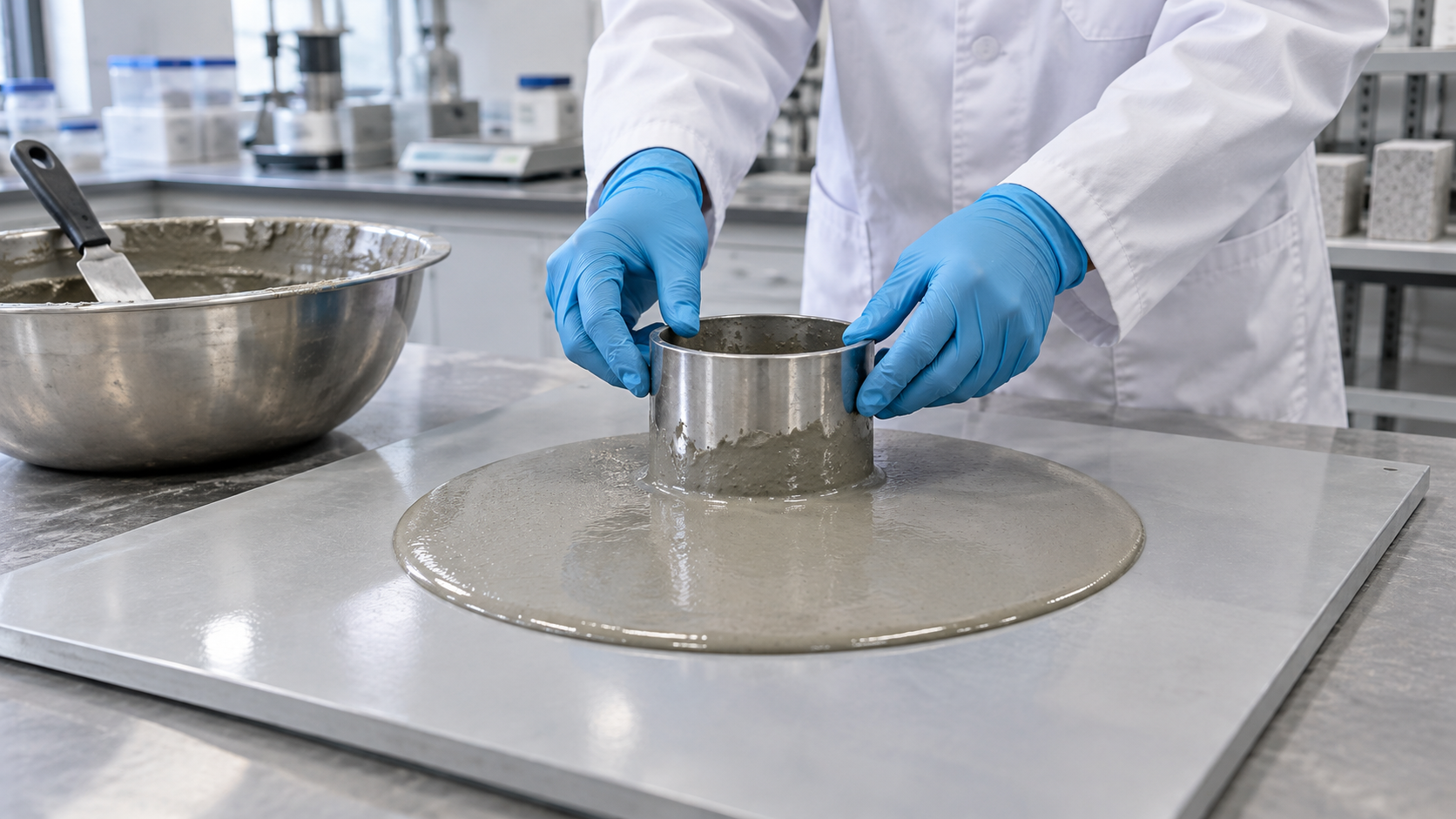
No. A viscosity value alone does not establish whether a grade is suitable for a particular formulation. Evaluate the grade in the target mixture and observe flow, stability and surface appearance under consistent test conditions.
Do not assume that one component alone will determine mixture stability. Review the complete formulation and test the material under the intended mixing and placement conditions.
For a controlled comparison, first keep the water content constant. If a separate trial requires a water adjustment, record it as a separate variable so the results remain interpretable.
Prepare the type of self-leveling compound, the target application, the current formulation requirements and the test observations. This information helps frame a focused product evaluation.
HPMC for self-leveling mortar should be evaluated in the complete formulation. Check initial flow, flow retention, mixture stability and surface appearance using consistent mixing and testing conditions. A controlled trial provides a clearer basis for deciding whether a grade is suitable for a specific self-leveling compound.
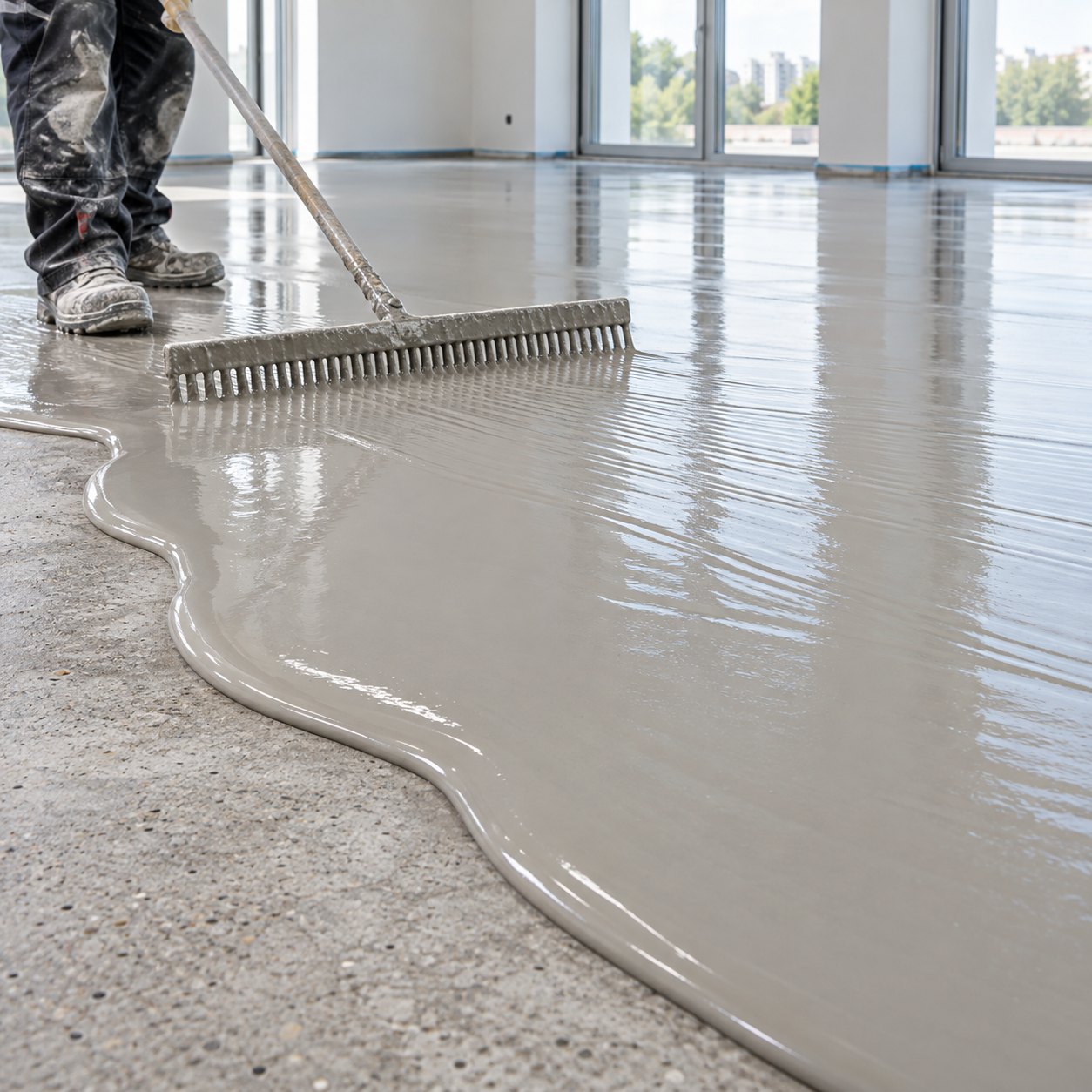 HPMC in Self-Leveling Mortar: Evaluating Flow, Stability and Surface Quality
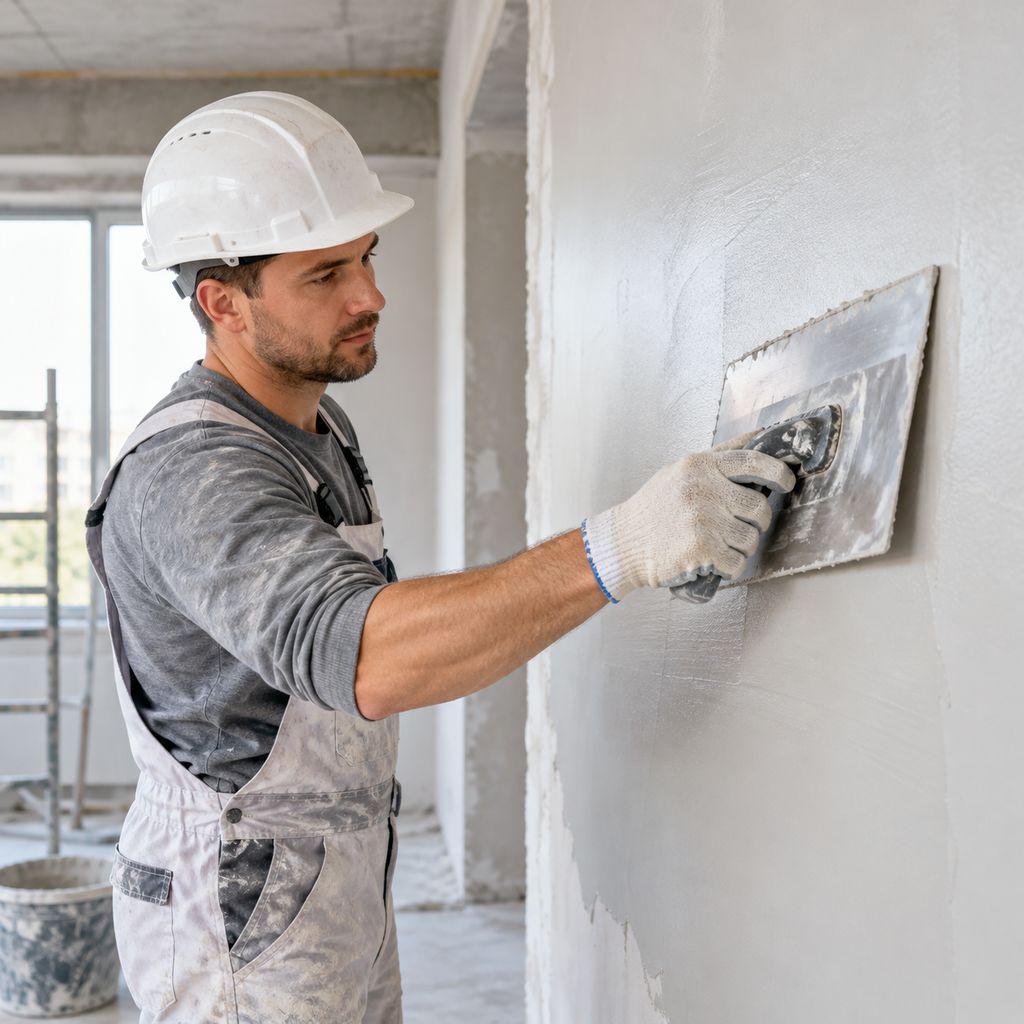 HPMC in Gypsum Plaster: How It Affects Workability, Water Retention and Surface Finish
 Why Does HPMC-Modified Mortar Contain Too Much Air? Causes, Testing and Formulation Troubleshooting
 How to Evaluate HPMC Quality Beyond Viscosity? Key Parameters for Construction Grade HPMC Selection

