
Hydroxypropyl Methyl Cellulose (HPMC) is a non-ionic cellulose ether produced from natural高分子 materials through alkalization and etherification processes. The product appears as a white or off-white fibrous powder, odorless, tasteless, and non-toxic.
HPMC exhibits good water solubility, dissolving in cold water to form a transparent viscous solution. Its viscosity remains stable across a wide pH range. As a multifunctional additive, HPMC plays important roles in thickening, water retention, adhesion, dispersion, and suspension in construction, coatings, ceramics, and other industries.
CAS No.: 9004-65-3
Packaging: 25 kg/bag (inner polyethylene film bag, outer woven or kraft paper bag)
| Property | Specification |
|---|---|
| Appearance | White or off-white fibrous, granular, or powder solid |
| Fineness | 98%-100% passes 80 mesh sieve |
| Methoxy Content | 19%-32% |
| Hydroxypropoxy Content | 4%-12% |
| pH (1% solution) | 4.0-8.0 |
| Loss on Drying | ≤5.0% |
| Ash Content | ≤5.0% |
| Gelation Temperature | 60-75℃ |
Key Characteristics:
Water Solubility and Thickening: Dissolves quickly in cold water, forming transparent viscous solutions with significant thickening effects
pH Stability: Viscosity remains stable in the pH range of 3.0-11.0
Surface Activity: Exhibits emulsifying, protective colloid, and stabilizing properties
Salt Resistance: As a non-ionic polymer, it remains relatively stable in aqueous solutions of metal salts or organic electrolytes
Water Retention: Maintains good water retention when added to mortars, plasters, and coatings
Film-Forming Properties: Forms strong, flexible, transparent films with good oil and ester resistance
Construction-grade HPMC is an essential functional additive in dry-mix mortars, putty powders, tile adhesives, and related products.
Cement-Based Products:
Tile Adhesives: Improves bond strength, enhances slip resistance, extends open time
Wall Putty: Provides good water retention and smooth workability, prevents cracking
Self-Leveling Mortar: Provides excellent flow properties while maintaining water retention and bond strength
General and Masonry Mortars: Improves workability and pumpability
Gypsum-Based Products:
Gypsum Plaster: Provides good lubricity and plasticity for smoother application
Gypsum Putty and Joint Fillers: Improves flow and water retention, enhances adhesion to substrates
Key Functions in Construction Applications:
Water Retention: Extends open time, prevents rapid water evaporation, ensures adequate cement hydration
Thickening: Increases mortar viscosity and sag resistance
Lubricity: Improves workability for smoother application
Crack Resistance: Reduces shrinkage cracking, enhances structural durability
In water-based coatings, HPMC is used as a thickener and rheology modifier:
Improves leveling and spatter resistance
Enhances coating uniformity and smoothness
Acts as a protective colloid to help suspend pigments and prevent settling
HPMC is widely used as a thickener, emulsifier, and foam stabilizer in household and personal care products:
Detergents: Used in dishwashing liquids, laundry detergents, shampoos to increase viscosity and foam stability
Personal Care: Used in skincare products, body washes, toothpaste to improve texture and user experience
In ceramic manufacturing, HPMC serves as an additive for:
Plasticizer and lubricant for ceramic body extrusion
Suspension agent for glazes to prevent settling
Improving green strength of ceramic bodies
PVC Production: Dispersant in suspension polymerization for PVC manufacturing
Textile Printing: Thickener and dispersant in textile printing pastes
Inks: Rheology modifier for printing inks
The main difference between construction-grade HPMC and food-grade or pharmaceutical-grade HPMC lies in the requirements for purity and hygiene standards. Construction-grade products focus more on performance and cost-effectiveness.
| Property | Impact on Application |
|---|---|
| Water Retention | Prevents rapid mortar water loss, ensures adequate cement hydration, improves bond strength |
| Thickening | Increases mortar viscosity and sag resistance, facilitates thick-layer application |
| Workability | Improves mortar lubricity and plasticity, increases construction efficiency |
| Open Time | Extends working time for easier adjustment during application |
Construction-grade HPMC is typically available in viscosity ranges from 400 to 200,000 mPa·s (2% aqueous solution at 20°C), with different viscosities suited to different application requirements.
| Application | Recommended Viscosity | Description |
|---|---|---|
| Tile Adhesives | 100,000-200,000 mPa·s | High viscosity provides good slip resistance and bond strength |
| Wall Putty | 50,000-100,000 mPa·s | Medium viscosity ensures smooth workability and water retention |
| Thermal Insulation Mortar | 100,000-200,000 mPa·s | High viscosity enhances bond strength and film formation |
| Self-Leveling Mortar | Low viscosity | Ensures excellent flow and self-leveling properties |
| General Mortar | Low to medium viscosity | Improves workability and construction efficiency |
In high-temperature, dry environments, products with higher water retention should be prioritized.
Packaging Specifications:
25 kg/bag, inner polyethylene film bag with outer woven or composite kraft paper bag
Custom packaging available upon request
Storage Requirements:
Store in a cool, well-ventilated, dry warehouse
Avoid direct sunlight and rain exposure
Protect from moisture; keep packaging sealed
For more product information or technical guidance on construction-grade HPMC, please contact:
Shenyang Xingzhenghe Chemical Co., Ltd.
Tel: 024-23509232 / 13889850231
Email: sales01@xzhch.com
Address: No.33 Nan'er Road, Heping District, Shenyang, China
 Hydroxypropyl Methylcellulose – A Multifunctional Additive in the Construction Industry
 Hydroxypropyl Methyl Cellulose (HPMC) for Construction
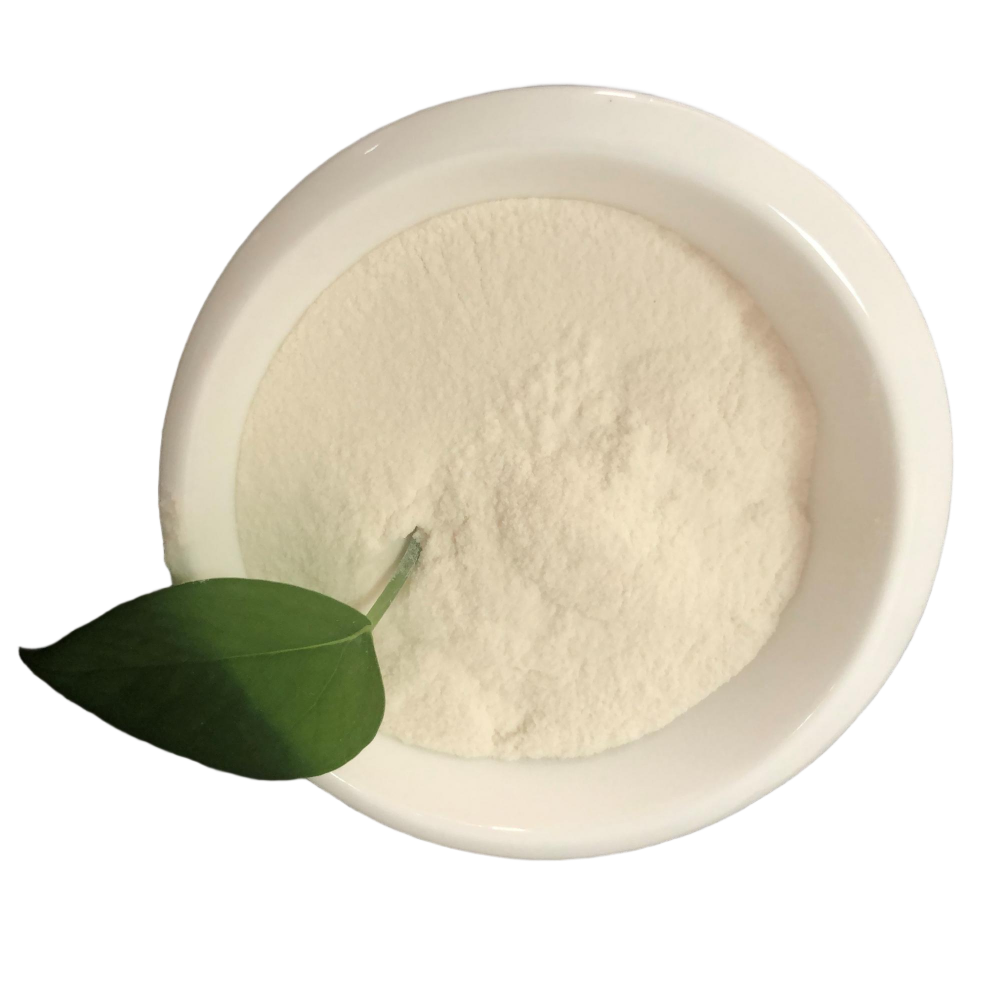 Hydroxypropyl Methylcellulose (HPMC) Product Introduction
 The Key Role and Performance Advantages of Hydroxypropyl Methyl Cellulose (HPMC) in Building Materia

