
Hydroxypropyl methylcellulose, commonly abbreviated as HPMC, is a non-ionic cellulose ether derived from natural plant fibers through chemical modification. As an important functional additive in the construction industry, HPMC plays a key role in various building materials including dry-mix mortars, putties, coatings, and gypsum-based products.
With its excellent water retention, thickening properties, film-forming ability, and workability enhancement, HPMC has become an essential component in modern building material formulations. This article focuses on the main applications of HPMC in the construction field and its functional characteristics.
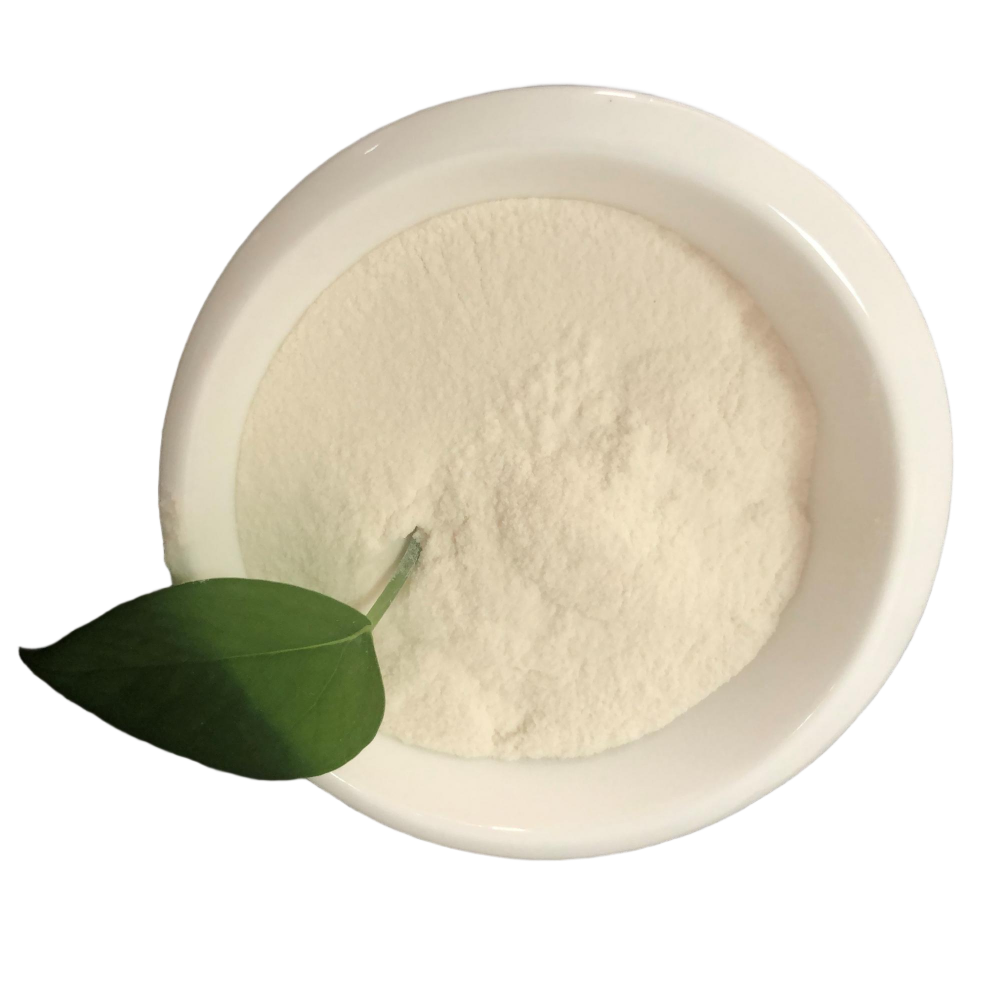
Hydroxypropyl methylcellulose is a white or off-white powder produced from natural plant fibers through processes such as alkalization and etherification. The product exhibits the following basic characteristics:
Appearance: White to off-white powder with fine particles and good flowability
Solubility: Soluble in water, forming transparent or translucent colloidal solutions
Water retention: Excellent water retention capacity, effectively preventing excessive moisture evaporation
Thickening properties: Significantly increases system viscosity at low concentrations
Film-forming ability: Forms flexible transparent films upon drying
Surface activity: Possesses surface activity that improves system wettability and workability
Chemical stability: Stable under various pH conditions, with good compatibility with various building material components
HPMC products with different viscosity specifications are available to meet the requirements of various building materials, with common viscosity ranges from several hundred mPa·s to two hundred thousand mPa·s.
HPMC is an important functional additive in dry-mix mortar products, widely used in various mortar systems.
Water retention and thickening effects:
Improves mortar water retention, preventing excessive moisture absorption by substrates or evaporation
Ensures adequate water availability for cement hydration, maintaining bond strength
Extends mortar working time, facilitating construction adjustments
Workability improvement:
Enhances mortar lubricity and thixotropy, making application smoother
Improves sag resistance, allowing for greater single-layer application thickness
Extends open time, adapting to different construction conditions
Product applications:
Tile adhesives: Improves bond strength and slip resistance
Plastering mortars: Enhances workability and water retention
Masonry mortars: Improves bond strength and water retention
Insulation board adhesives: Enhances bond strength and sag resistance
In interior and exterior wall putty products, HPMC plays an important role in functional regulation.
Key functions:
Provides appropriate thickening effects for good application feel
Improves water retention to prevent cracking due to rapid drying
Enhances troweling performance for smoother surface finishes
Increases bond strength between putty and substrate
Application advantages:
Reduces joint marks during application
Improves putty flatness and surface quality
Extends working time for large-area application
In gypsum-based products, HPMC serves as an important modifying additive.
Gypsum product applications:
Gypsum plastering mortars: Improves water retention and workability
Gypsum joint compounds: Enhances bond strength and crack resistance
Gypsum self-leveling compounds: Regulates rheological properties, improving flowability and self-healing capacity
Functional characteristics:
Delays moisture loss during gypsum hydration
Improves gypsum paste fluidity and uniformity
Enhances surface quality of gypsum products
HPMC can be used as a thickener and stabilizer in water-based coatings and construction adhesives.
Applications in coatings:
Increases coating viscosity, improving storage stability
Regulates rheological properties, improving application performance
Prevents pigment settling, enhancing coating uniformity
Product types:
Latex paints, water-based coatings
Construction adhesives
Surface primers
In cement-based and gypsum-based self-leveling compounds, HPMC helps regulate slurry rheological properties.
Main functions:
Improves slurry stability and uniformity
Regulates flowability and self-healing capacity
Prevents segregation and separation
Enhances water retention for adequate hydration
HPMC can be used in combination with other construction admixtures to synergistically improve material properties.
Formulation applications:
Combined with redispersible polymer powders to improve bond strength and flexibility
Combined with water-reducing agents to balance fluidity and water retention
Combined with starch ethers to regulate workability and sag resistance
HPMC products can be selected in different viscosity specifications and modification types based on application requirements:
| Application Area | Recommended Viscosity Range | Key Functional Requirements |
|---|---|---|
| Tile Adhesives | 400-1000 mPa·s | Water retention, slip resistance |
| Plastering Mortars | 400-800 mPa·s | Water retention, workability |
| Putty Powders | 400-1000 mPa·s | Thickening, troweling performance |
| Gypsum Products | 200-600 mPa·s | Water retention, rheology |
| Self-Leveling Compounds | 400-800 mPa·s | Flowability, stability |
The specification ranges above are for reference only. Specific selection should be determined through testing based on formulation systems and performance requirements.
HPMC dosage in building materials typically ranges from 0.1% to 0.5%, with specific dosage determined by product type, performance requirements, and formulation systems:
General plastering mortars: 0.1%-0.3%
Tile adhesives: 0.2%-0.5%
Putty powders: 0.2%-0.5%
Gypsum products: 0.1%-0.3%
The dosage ranges above are for reference only. Actual dosage should be determined through experimental testing.
Attention should be paid to dissolution methods when using HPMC:
In dry-mix mortar and putty powder production, HPMC can be directly mixed uniformly with other powder materials
In liquid systems, it is recommended to disperse thoroughly in water for complete dissolution before adding other components
Avoid prolonged high-temperature contact with alkaline substances to prevent performance effects
Store in a cool, dry, well-ventilated area away from moisture
Keep packaging sealed to prevent moisture absorption and caking
Avoid storage with strong acids or strong alkalis
Hydroxypropyl methylcellulose (HPMC), as an important functional additive in the construction industry, plays a key role in various building materials such as dry-mix mortars, putties, coatings, and gypsum products. Its excellent water retention, thickening, and film-forming properties provide reliable technical support for modern building materials.
Understanding the performance characteristics and application methods of HPMC helps formulation engineers select appropriate product specifications based on actual needs, achieving performance optimization of building materials and improvement of construction quality.
 Hydroxypropyl Methylcellulose – A Multifunctional Additive in the Construction Industry
 Hydroxypropyl Methyl Cellulose (HPMC) for Construction
 Hydroxypropyl Methylcellulose (HPMC) Product Introduction
 The Key Role and Performance Advantages of Hydroxypropyl Methyl Cellulose (HPMC) in Building Materia

