
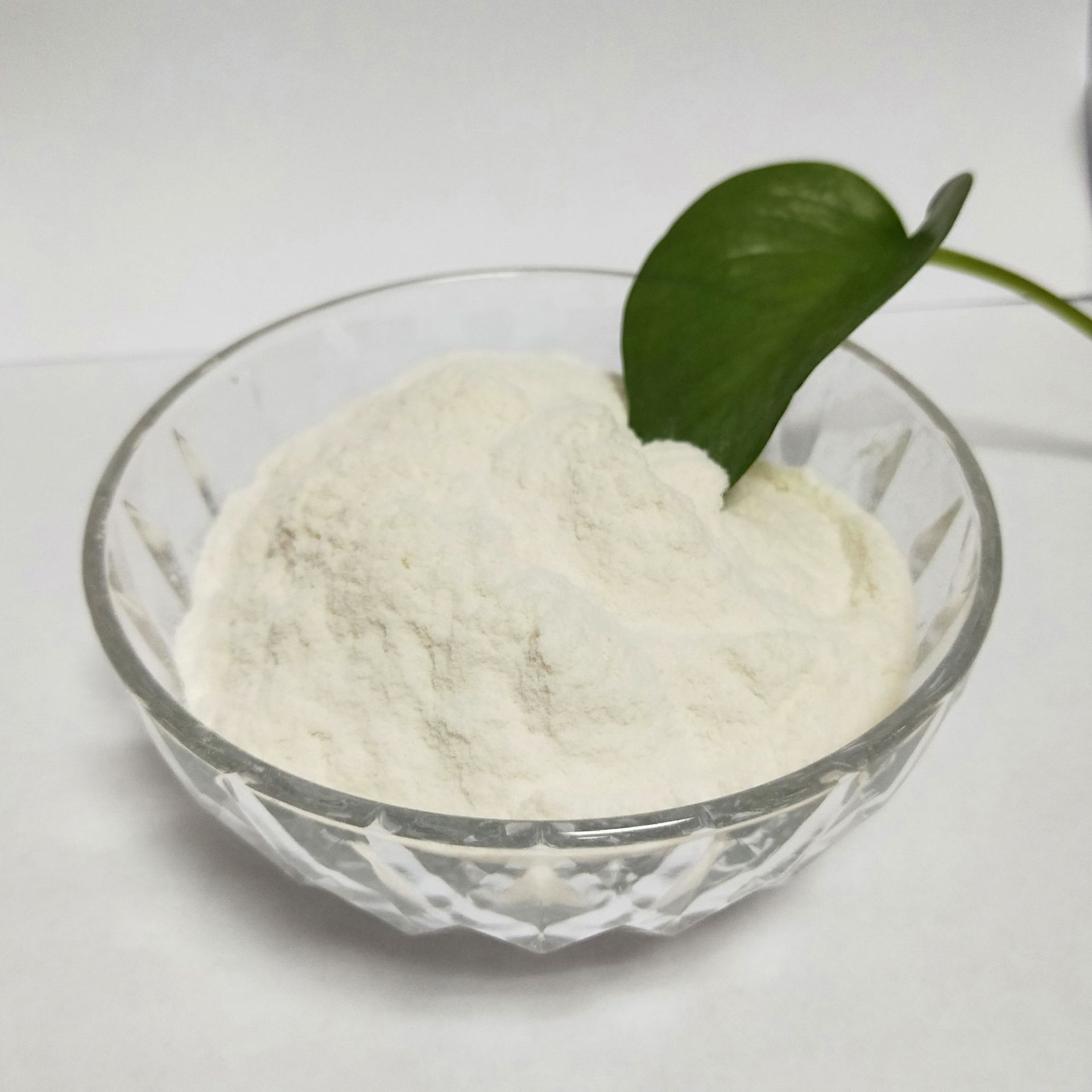
Hydroxypropyl Methyl Cellulose (HPMC) is a non-ionic cellulose ether produced from refined cotton or other cellulose materials through alkalization and etherification processes. This product complies with the national standard GB/T 34263-2017 "Hydroxypropyl Methyl Cellulose for Industrial Use".
HPMC appears as a white to off-white powder, odorless and non-toxic. It swells in cold water to form a clear or slightly turbid colloidal solution, offering multiple functions including thickening, dispersion, emulsification, film formation, suspension, water retention, and protective colloid effects. These functional properties make it an indispensable additive in dry-mix mortar systems.
Water retention is a key indicator for evaluating mortar performance, directly affecting construction quality and hardened strength. Research studies have shown that HPMC can significantly improve the water retention of mortar and greatly enhance its workability.
Mechanism: The HPMC molecular structure contains numerous hydroxyl (-OH) and ether (-O-) groups. These hydrophilic groups can form hydrogen bonds with water molecules, immobilizing free water within the mortar system and reducing water loss to the substrate and evaporation into the air.
Water Retention Effect Analysis:
At the same viscosity level, the water retention rate increases with higher HPMC dosage
At the same dosage level, the water retention rate increases with higher HPMC viscosity
HPMC provides significant water retention and thickening effects, noticeably improving the plasticity of fresh mortar and extending the open time. Specific manifestations include:
Improved Cohesion: Prevents segregation and bleeding during construction
Enhanced Sag Resistance: During plastering, the mortar adheres better to vertical surfaces
Better Lubricity: Smoother application feel, reducing labor intensity
Air Content and Density: The incorporation of HPMC modifies the air content of mortar, reducing the bulk density of fresh mortar. Research indicates that adding HPMC can produce lighter-weight materials, with weight reduction of approximately 11%.
Setting Time: HPMC prolongs the setting time of mortar, which is practically valuable for construction in high-temperature environments or when longer working time is required.
Research has shown that the high porosity introduced by HPMC in mortar helps improve thermal insulation performance. Adding HPMC reduces the thermal conductivity of the material and increases thermal resistance, contributing to enhanced thermal insulation and energy-saving effects in building walls.
Regarding the influence of HPMC on the mechanical strength of mortar, multiple research studies have reached essentially consistent conclusions: while HPMC improves workability, it reduces the mechanical strength of mortar to a certain extent.
Key Findings:
The compressive strength of dry-mix mortar decreases as HPMC dosage increases
The stratification degree of dry-mix mortar gradually decreases as HPMC dosage increases
The flexural strength, compressive strength, and tensile bond strength of hardened mortar all decrease
The main reasons for HPMC reducing the mechanical strength of mortar are:
Air-entraining Effect: HPMC increases the porosity and pore size of mortar
Retarding Effect: Delays the cement hydration process, affecting early strength development
Modified Hydration Product Morphology: Affects the crystal morphology and distribution of hydration products
Practical Implication: This characteristic requires finding a balance between workability and mechanical strength during formulation design, by reasonably controlling the dosage to meet both requirements.
Based on multiple research studies, recommended HPMC dosages for different mortar types are as follows:
| Mortar Type | Recommended Dosage (by weight of binder) | Main Functional Requirements |
|---|---|---|
| Masonry Mortar | 0.4‰ - 0.5‰ | Water retention, thickening |
| Plastering Mortar | 0.4‰ - 0.5‰ | Water retention, sag resistance |
| Tile Adhesive | 1.0‰ - 3.0‰ | Open time, bond strength |
| Self-leveling Mortar | 0.5‰ - 1.0‰ | Rheology control, settlement resistance |
| Putty Powder | 2.0‰ - 5.0‰ | Water retention, smooth application |
Note: Specific dosage should be determined through testing based on raw material characteristics, equipment conditions, and performance targets.
Effect of Cement-to-Sand Ratio: The flexural strength and compressive strength of dry-mix mortar decrease as the cement-to-sand ratio decreases. When reducing HPMC dosage, the cement content can be appropriately increased to compensate for strength loss.
Fly Ash and Other Admixtures: The mechanical strength of dry-mix mortar gradually decreases with increasing fly ash content, and this pattern is more pronounced at early curing ages. When using admixtures, HPMC dosage should be adjusted accordingly.
| Parameter | Typical Range | Description |
|---|---|---|
| Methoxy Content | 19.0% - 30.0% | Structural characteristic indicator |
| Hydroxypropoxy Content | 4.0% - 12.0% | Structural characteristic indicator |
| Loss on Drying | ≤ 5.0% | Dried to constant weight at 105°C |
| Residue on Ignition | ≤ 1.5% | Ashing at 800°C |
| pH Value (1% solution, 25°C) | 5.0 - 8.0 | Aqueous solution acidity/alkalinity |
| Gel Temperature | 50°C - 90°C | 1% aqueous solution |
The viscosity range of HPMC can reach 400 - 200,000 mPa·s (2% aqueous solution, 20°C). Different viscosity grades are suitable for different applications:
Low Viscosity (400 - 5,000): Self-leveling mortar, cement boards
Medium Viscosity (10,000 - 40,000): General masonry, plastering mortar
High Viscosity (60,000 - 100,000): Putty, tile adhesives
Extra High Viscosity (150,000+): Specialty mortars requiring high water retention
HPMC products are typically 80-100 mesh powder. Finer powder facilitates rapid and uniform dispersion in dry-mix mortar.
HPMC significantly modifies various properties of the aluminate cement-gypsum cementitious system; careful evaluation is required when using it in such systems
May have compatibility issues with certain admixtures; compatibility testing is recommended before use
Recommended storage temperature range: 10°C - 30°C
Store in sealed conditions to prevent moisture absorption and caking
Storage time should not exceed 12 months
HPMC should be thoroughly mixed with other dry powders before adding water
After mixing, allow to stand for a period to enable full dissolution of HPMC for optimal performance
Adjust water content based on ambient temperature and humidity
Industrial-grade Hydroxypropyl Methyl Cellulose complies with national standard GB/T 34263-2017. Main testing items include:
Degree of substitution (determination of methoxy and hydroxypropoxy content)
Viscosity testing (rotational viscometer method)
Moisture and ash content determination
pH value and gel temperature testing
Heavy metal limit testing
 Application Technical Guide of HPMC in Mortar
 Hydroxypropyl Methylcellulose (HPMC) in Construction: A Study of Its Applications
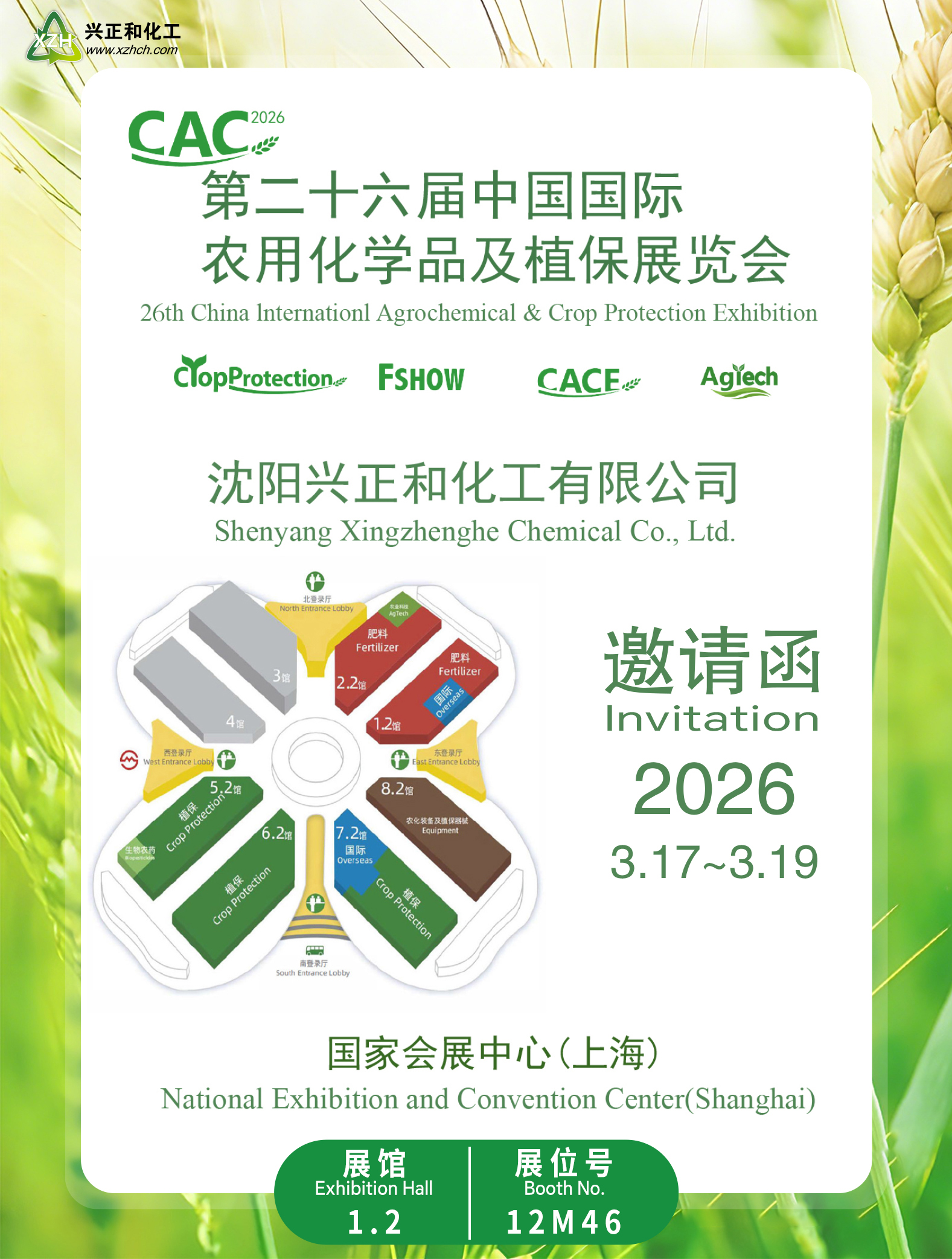 【Booth 12M46】Shenyang Xingzhenghe Chemical Makes Its Debut at the 26th CAC Exhibition, Launching a N
 Under the trend of green building materials, the market demand for HPMC continues to grow.

