
Hydroxypropyl Methyl Cellulose (HPMC) is a non-ionic cellulose ether produced from natural高分子 materials through alkalization and etherification processes. The product appears as a white or off-white fibrous powder, odorless, tasteless, and non-toxic.
HPMC exhibits good water solubility, dissolving in cold water to form a transparent viscous solution. Its viscosity remains stable across a wide pH range. As a multifunctional additive, HPMC plays important roles in thickening, water retention, adhesion, dispersion, and suspension in construction, coatings, ceramics, and other industries.
CAS No.: 9004-65-3
Packaging: 25 kg/bag (inner polyethylene film bag, outer woven or kraft paper bag)
| Property | Specification |
|---|---|
| Appearance | White or off-white fibrous, granular, or powder solid |
| Fineness | 98%-100% passes 80 mesh sieve |
| Methoxy Content | 19%-32% |
| Hydroxypropoxy Content | 4%-12% |
| pH (1% solution) | 4.0-8.0 |
| Loss on Drying | ≤5.0% |
| Ash Content | ≤5.0% |
| Gelation Temperature | 60-75℃ |
Key Characteristics:
Water Solubility and Thickening: Dissolves quickly in cold water, forming transparent viscous solutions with significant thickening effects
pH Stability: Viscosity remains stable in the pH range of 3.0-11.0
Surface Activity: Exhibits emulsifying, protective colloid, and stabilizing properties
Salt Resistance: As a non-ionic polymer, it remains relatively stable in aqueous solutions of metal salts or organic electrolytes
Water Retention: Maintains good water retention when added to mortars, plasters, and coatings
Film-Forming Properties: Forms strong, flexible, transparent films with good oil and ester resistance
Construction-grade HPMC is an essential functional additive in dry-mix mortars, putty powders, tile adhesives, and related products.
Cement-Based Products:
Tile Adhesives: Improves bond strength, enhances slip resistance, extends open time
Wall Putty: Provides good water retention and smooth workability, prevents cracking
Self-Leveling Mortar: Provides excellent flow properties while maintaining water retention and bond strength
General and Masonry Mortars: Improves workability and pumpability
Gypsum-Based Products:
Gypsum Plaster: Provides good lubricity and plasticity for smoother application
Gypsum Putty and Joint Fillers: Improves flow and water retention, enhances adhesion to substrates
Key Functions in Construction Applications:
Water Retention: Extends open time, prevents rapid water evaporation, ensures adequate cement hydration
Thickening: Increases mortar viscosity and sag resistance
Lubricity: Improves workability for smoother application
Crack Resistance: Reduces shrinkage cracking, enhances structural durability
In water-based coatings, HPMC is used as a thickener and rheology modifier:
Improves leveling and spatter resistance
Enhances coating uniformity and smoothness
Acts as a protective colloid to help suspend pigments and prevent settling
HPMC is widely used as a thickener, emulsifier, and foam stabilizer in household and personal care products:
Detergents: Used in dishwashing liquids, laundry detergents, shampoos to increase viscosity and foam stability
Personal Care: Used in skincare products, body washes, toothpaste to improve texture and user experience
In ceramic manufacturing, HPMC serves as an additive for:
Plasticizer and lubricant for ceramic body extrusion
Suspension agent for glazes to prevent settling
Improving green strength of ceramic bodies
PVC Production: Dispersant in suspension polymerization for PVC manufacturing
Textile Printing: Thickener and dispersant in textile printing pastes
Inks: Rheology modifier for printing inks
The main difference between construction-grade HPMC and food-grade or pharmaceutical-grade HPMC lies in the requirements for purity and hygiene standards. Construction-grade products focus more on performance and cost-effectiveness.
| Property | Impact on Application |
|---|---|
| Water Retention | Prevents rapid mortar water loss, ensures adequate cement hydration, improves bond strength |
| Thickening | Increases mortar viscosity and sag resistance, facilitates thick-layer application |
| Workability | Improves mortar lubricity and plasticity, increases construction efficiency |
| Open Time | Extends working time for easier adjustment during application |
Construction-grade HPMC is typically available in viscosity ranges from 400 to 200,000 mPa·s (2% aqueous solution at 20°C), with different viscosities suited to different application requirements.
| Application | Recommended Viscosity | Description |
|---|---|---|
| Tile Adhesives | 100,000-200,000 mPa·s | High viscosity provides good slip resistance and bond strength |
| Wall Putty | 50,000-100,000 mPa·s | Medium viscosity ensures smooth workability and water retention |
| Thermal Insulation Mortar | 100,000-200,000 mPa·s | High viscosity enhances bond strength and film formation |
| Self-Leveling Mortar | Low viscosity | Ensures excellent flow and self-leveling properties |
| General Mortar | Low to medium viscosity | Improves workability and construction efficiency |
In high-temperature, dry environments, products with higher water retention should be prioritized.
Packaging Specifications:
25 kg/bag, inner polyethylene film bag with outer woven or composite kraft paper bag
Custom packaging available upon request
Storage Requirements:
Store in a cool, well-ventilated, dry warehouse
Avoid direct sunlight and rain exposure
Protect from moisture; keep packaging sealed
For more product information or technical guidance on construction-grade HPMC, please contact:
Shenyang Xingzhenghe Chemical Co., Ltd.
Tel: 024-23509232 / 13889850231
Email: sales01@xzhch.com
Address: No.33 Nan'er Road, Heping District, Shenyang, China
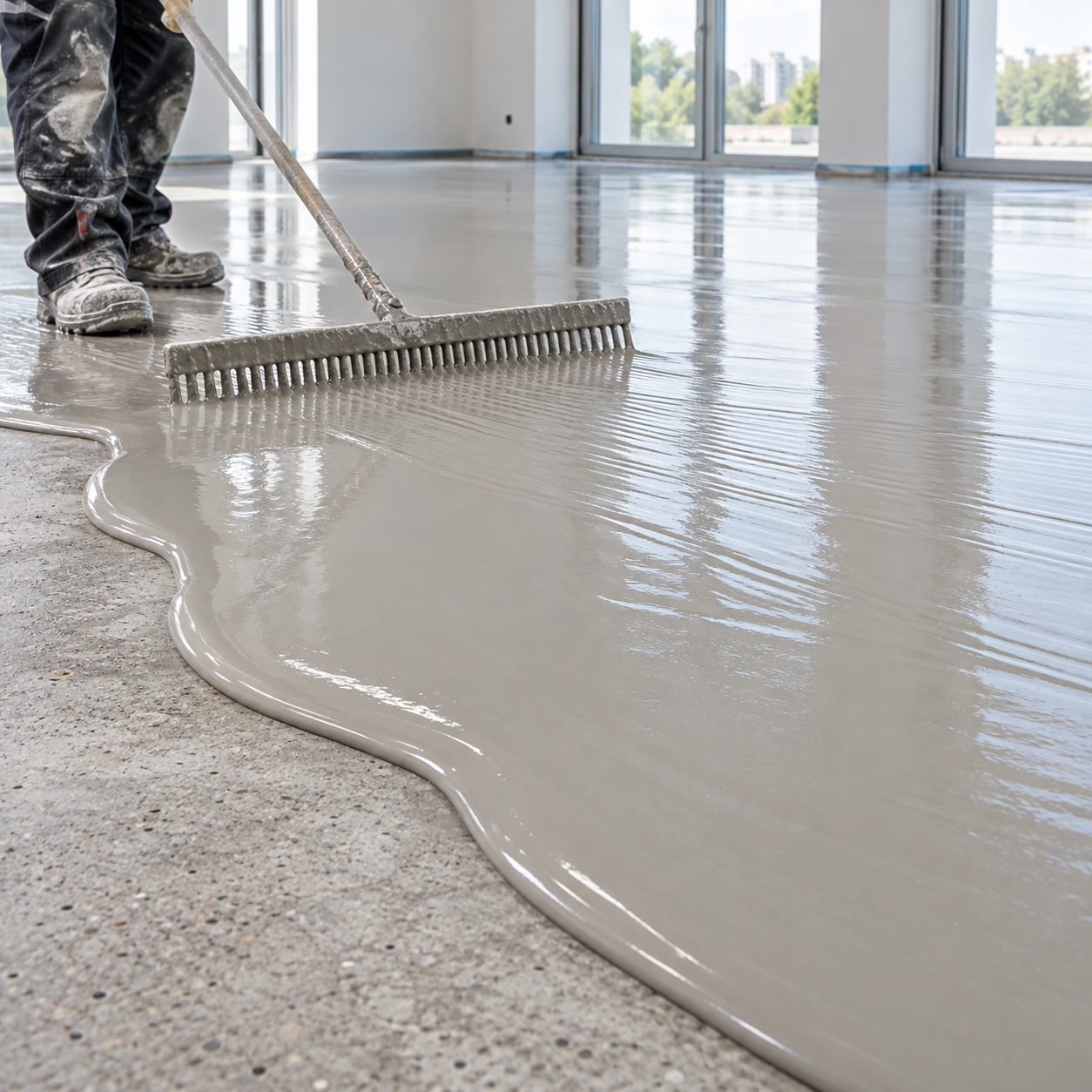 HPMC in Self-Leveling Mortar: Evaluating Flow, Stability and Surface Quality
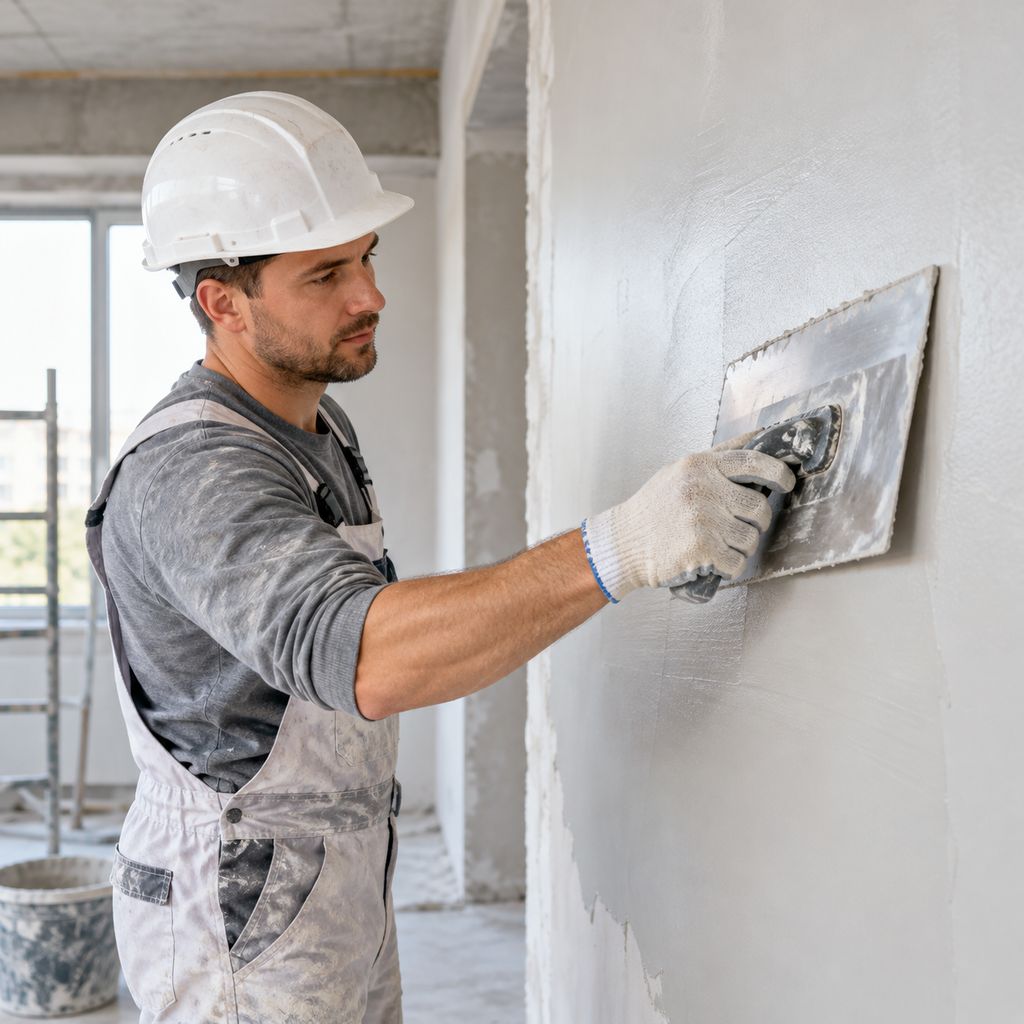 HPMC in Gypsum Plaster: How It Affects Workability, Water Retention and Surface Finish
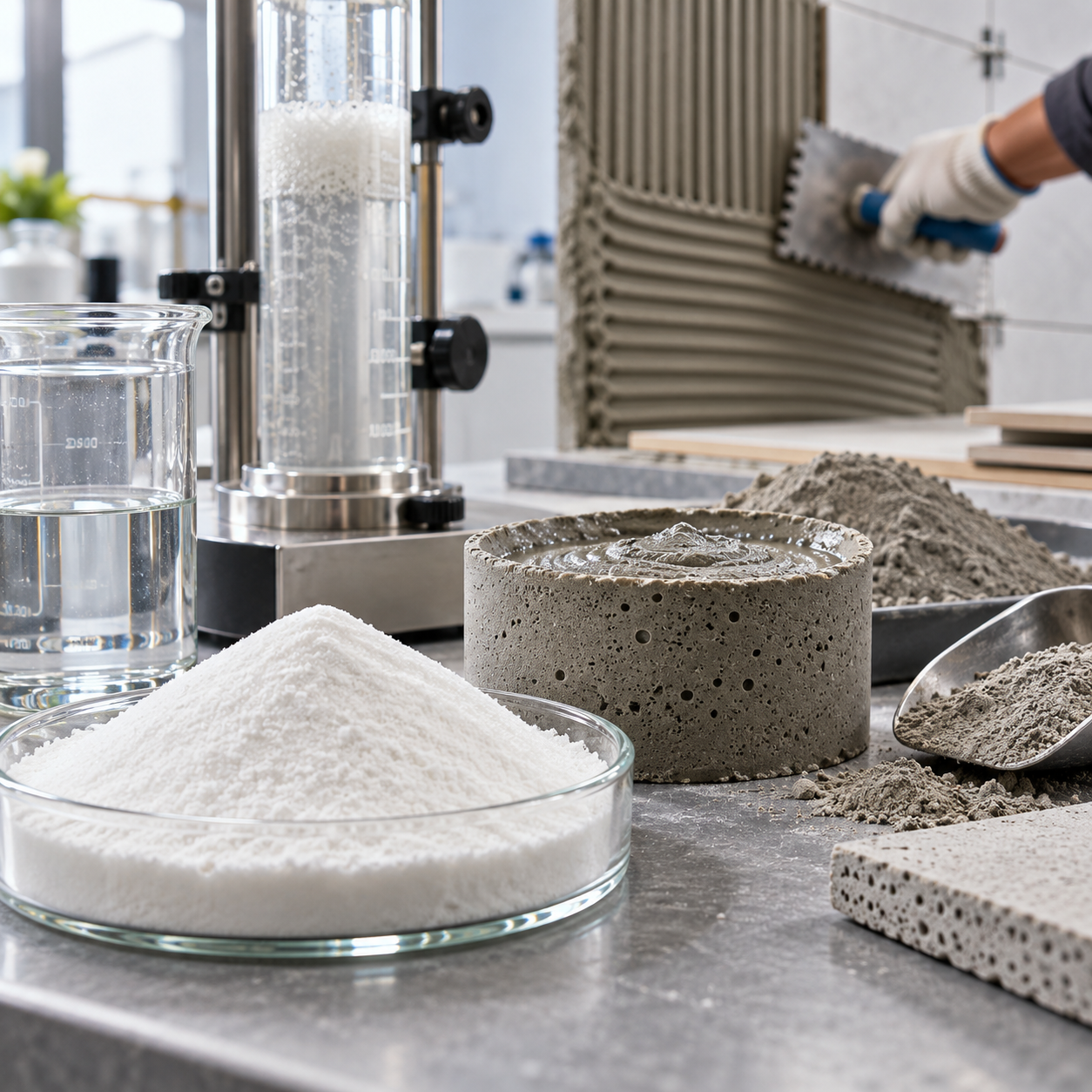 Why Does HPMC-Modified Mortar Contain Too Much Air? Causes, Testing and Formulation Troubleshooting
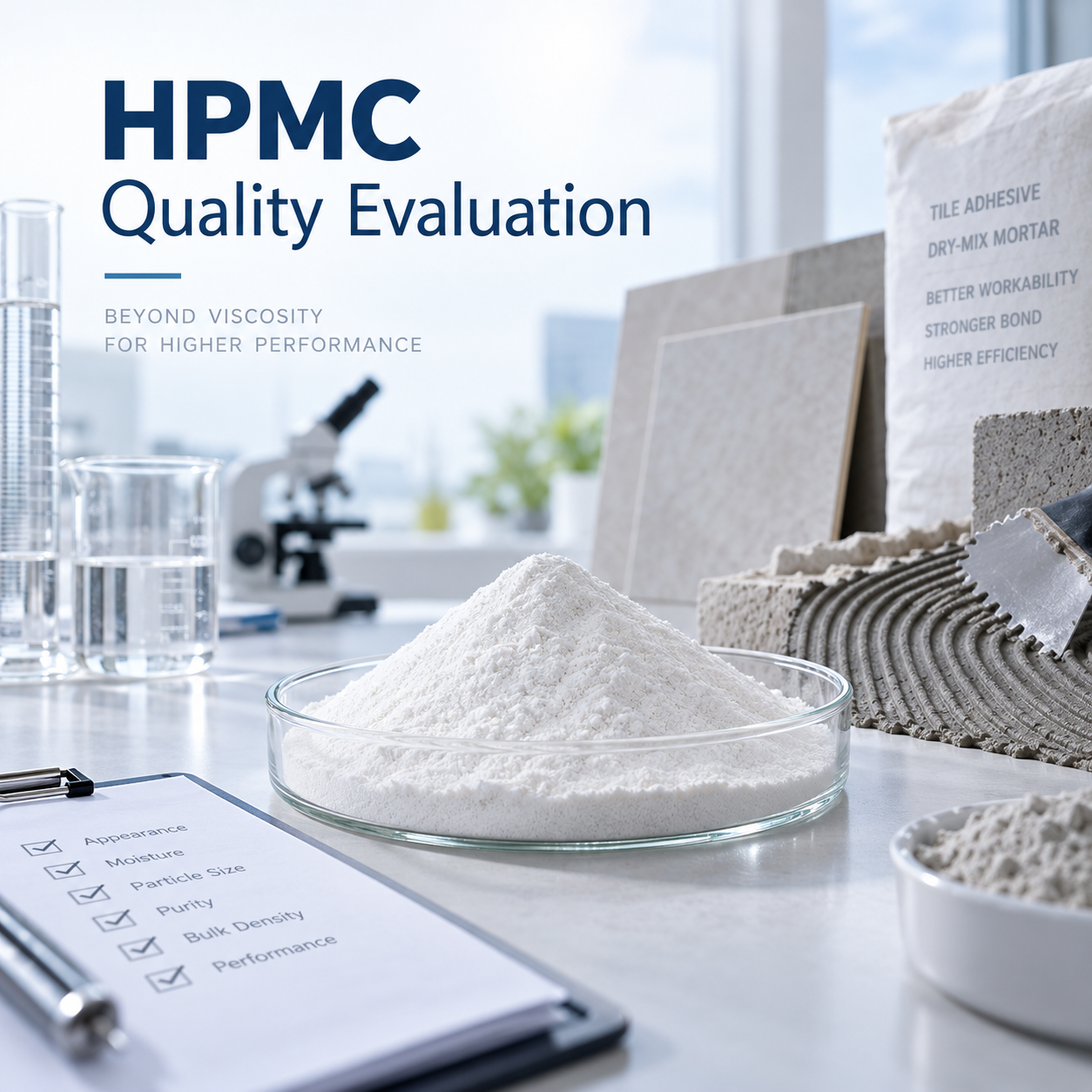 How to Evaluate HPMC Quality Beyond Viscosity? Key Parameters for Construction Grade HPMC Selection

