
Hydroxypropyl Methylcellulose (HPMC), also known as Hypromellose, is a non-ionic cellulose mixed ether. It is a semi-synthetic high-molecular polymer produced by alkalizing natural materials (such as cotton linter or wood pulp) followed by etherification with propylene oxide and methyl chloride. HPMC appears as a white or off-white powder, is odorless, tasteless, and non-toxic. It possesses excellent thickening, binding, emulsifying, dispersing, water-retaining, and film-forming properties, leading to its use in a wide range of applications.
| Property | Typical Value/Description |
|---|---|
| Appearance | White or off-white powder, good flowability |
| Solubility | Soluble in cold water, forming a transparent viscous colloidal solution; insoluble in hot water; soluble in some organic solvents |
| pH Stability | Solubility in water is unaffected by pH, stable in the pH range of 3-11 |
| Surface Activity | Aqueous solutions exhibit surface activity, reducing surface tension |
HPMC possesses a unique thermal gelation property — when an aqueous solution is heated to a specific temperature (depending on the degree of substitution), it forms a gel, which returns to a solution upon cooling. Various viscosity grades are available, ranging from low viscosity (e.g., 3 mPa·s) to high viscosity (e.g., 100,000 mPa·s), meeting diverse application requirements.
Thickening: Imparts the necessary viscosity to aqueous solutions and suspensions, preventing the sedimentation of solid particles.
Water Retention: Excellent water retention capacity ensures complete hydration of cement, gypsum, and other binding materials, enhancing final strength.
Film-Forming: Dries to form a transparent, tough film that provides a certain barrier against oils and organic solvents.
Binding/Adhesion: Exhibits good adhesion to various substrates (e.g., tiles, walls, pharmaceutical powder particles).
Emulsification & Dispersion: Helps stabilize oil-in-water emulsions and promotes the uniform dispersion of solid particles.
Thermal Gelation: Forms a gel upon heating to a specific temperature and returns to a fluid state upon cooling.
Enzyme Resistance: Not easily decomposed by microorganisms, offering good storage stability.
HPMC is most widely used in the building materials sector, primarily as a water-retention agent and thickener in cement and gypsum plasters, putties, tile adhesives, exterior insulation finishing systems (EIFS), self-leveling floor compounds, and more. Its functions include:
Improving workability and anti-sag properties of mortars
Extending open time for easier application
Enhancing bond strength and crack resistance
Improving surface smoothness and fineness
As a food additive (E464), HPMC is used as:
An emulsifier and stabilizer
A thickener and suspending agent
A quality improver for plant-based meat products and baked goods
A raw material for vegetarian capsules
Thickener and stabilizer in toothpaste, shampoos, and shower gels
Emulsifying stabilizer for lotions and creams
Film-former and thickener in face masks and skincare products
Synthetic Resins & Paints/Coatings: Used as a protective colloid, thickener, and leveling agent.
Petrochemicals: Additive for drilling fluids.
Ceramic Industry: Binder for green bodies and suspending agent for glazes.
Textile & Printing: Thickener for printing pastes and sizing agent.
HPMC is categorized into two types based on its dissolution characteristics: Instant (Cold Water Dispersible) and Hot Soluble (Regular) .
Instant Type (Cold Water Dispersible) :
Added directly to cold water, it disperses and hydrates rapidly, gradually increasing viscosity after about 2 minutes to form a clear colloidal solution.
Suitable for liquid systems such as liquid adhesives, paints, and household chemical products.
Hot Soluble Type (Regular) :
Requires dry mixing with other powder ingredients before adding water.
Alternatively, use the hot-cold water method: first disperse in 1/3 of the required hot water (80-90°C), then add the remaining 2/3 cold water while stirring.
Suitable for dry-mix mortars, putties, and other powder products.
Packaging: Multi-layer paper bags with a polyethylene liner or fiber drums, net weight 25 kg.
Storage Conditions: Store in a dry, well-ventilated, cool place, protected from moisture, rain, and direct sunlight.
Shelf Life: Typically 2 years; usable after re-inspection if stored properly.
HPMC is a non-ionic ether with good compatibility with most anionic and cationic surfactants, but salting out may occur with high concentrations of electrolytes.
Avoid lumping during dissolution; follow the correct addition order and mixing procedure.
Different grades of HPMC (varying in viscosity and substitution degree) have significantly different properties; select the appropriate type based on the specific application.
In mortar systems, it can be used in combination with starch ethers to achieve better anti-sag performance.
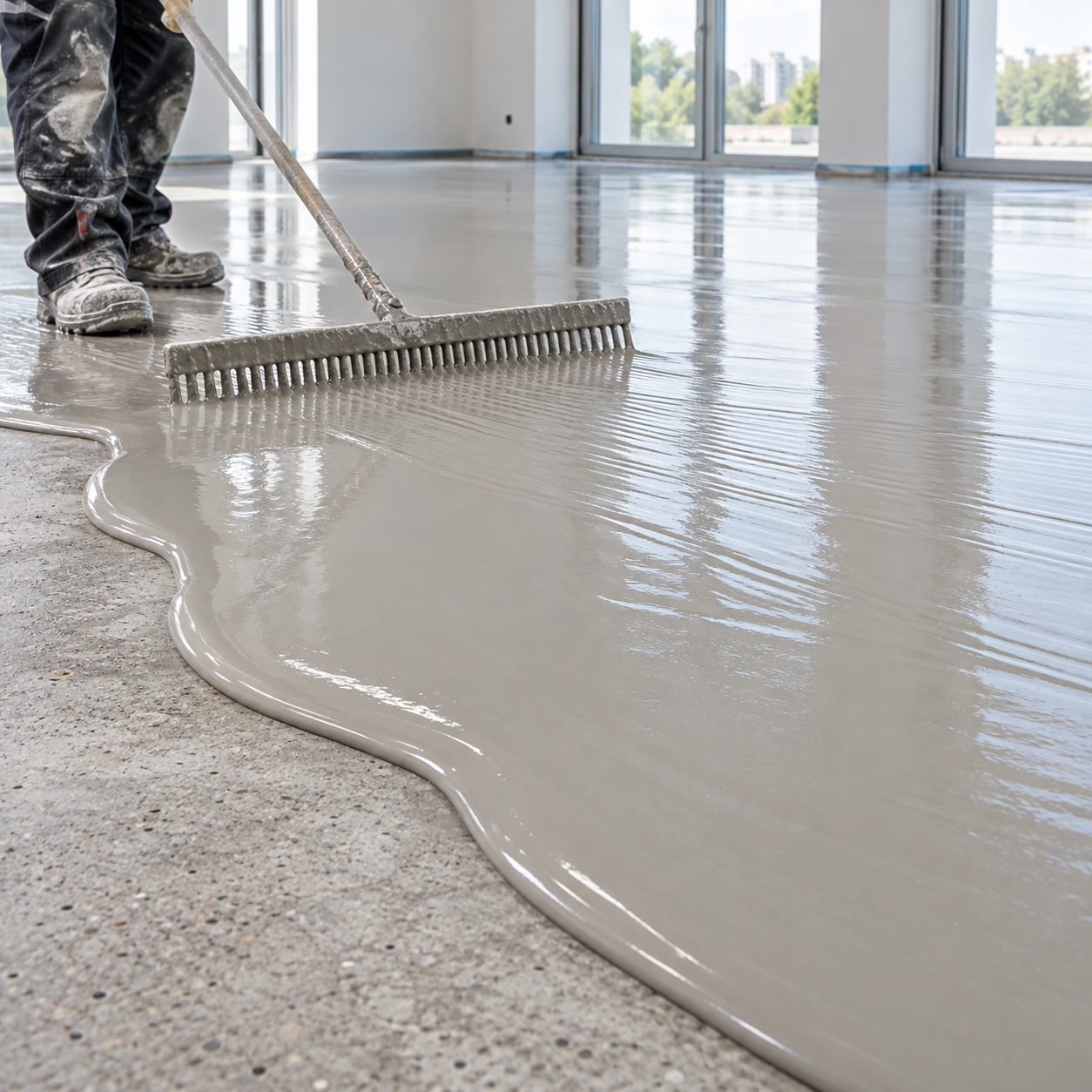 HPMC in Self-Leveling Mortar: Evaluating Flow, Stability and Surface Quality
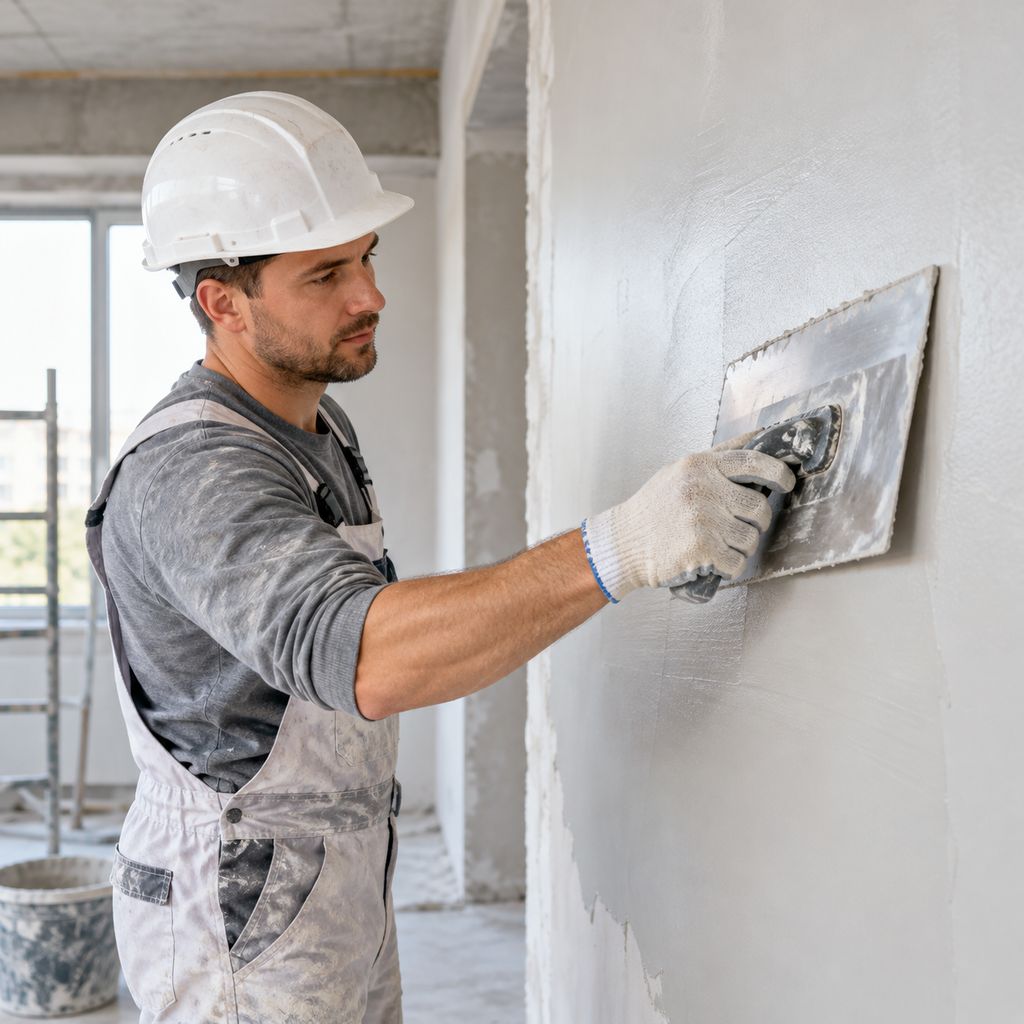 HPMC in Gypsum Plaster: How It Affects Workability, Water Retention and Surface Finish
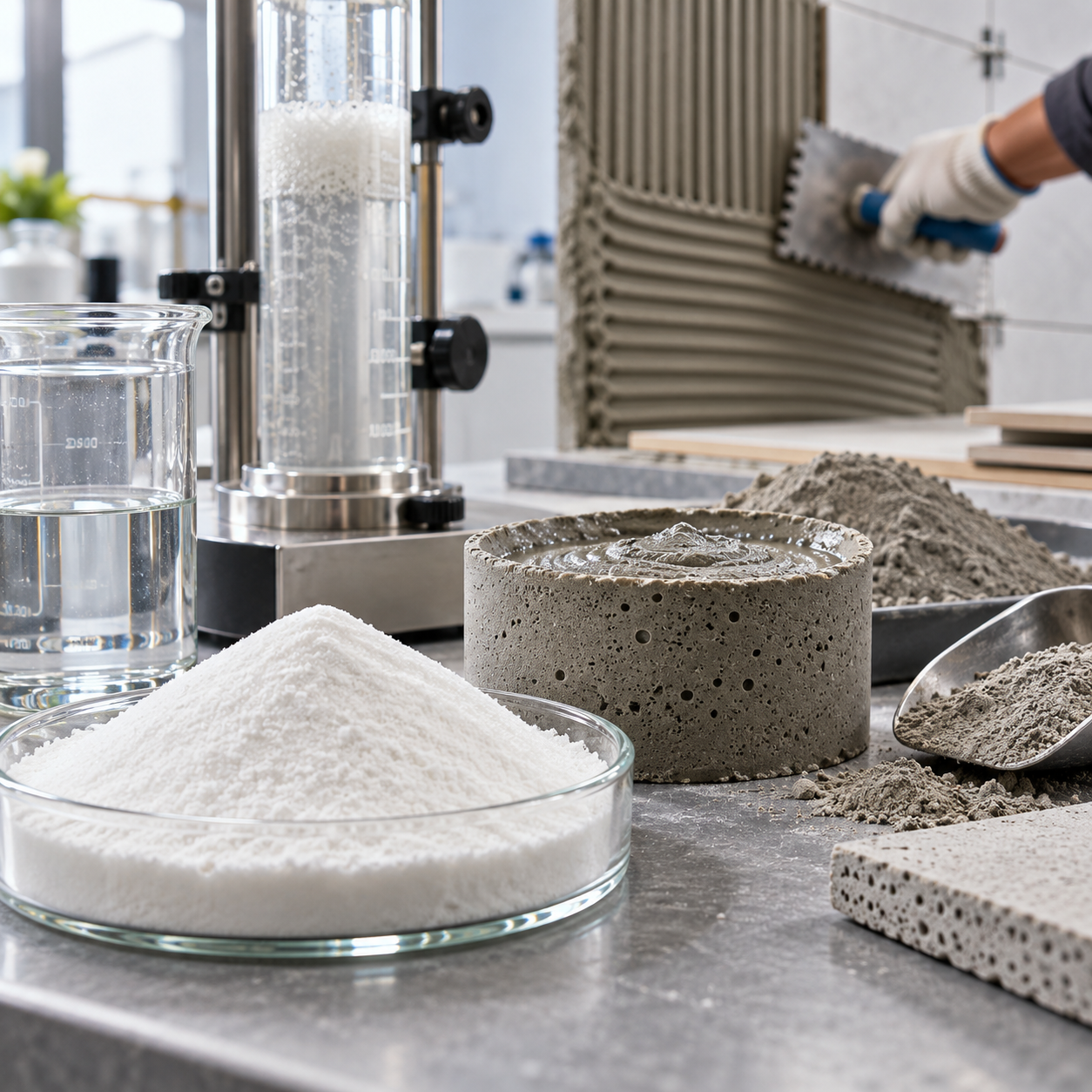 Why Does HPMC-Modified Mortar Contain Too Much Air? Causes, Testing and Formulation Troubleshooting
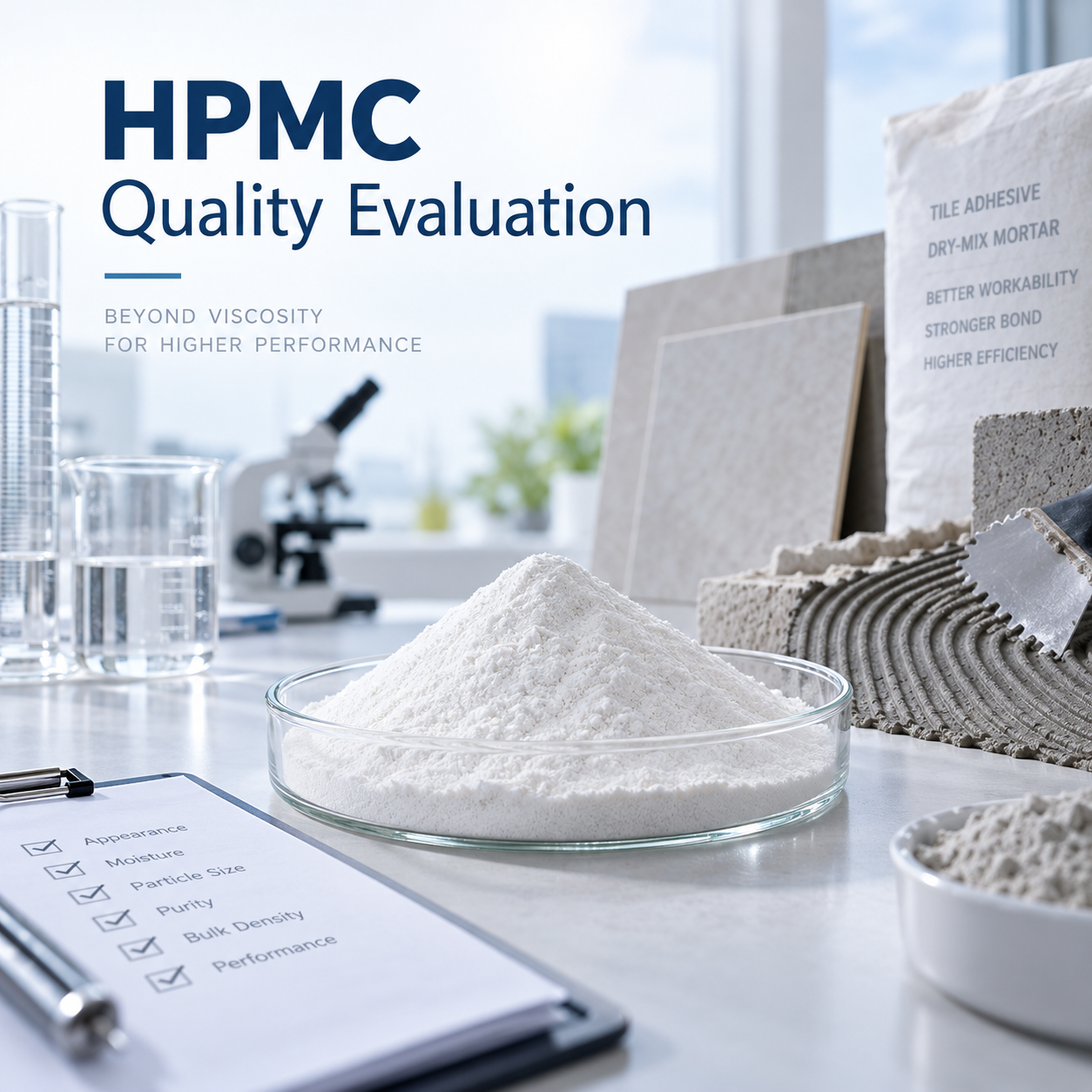 How to Evaluate HPMC Quality Beyond Viscosity? Key Parameters for Construction Grade HPMC Selection

