
With the widespread adoption of dry-mix mortar and pre-mixed building materials, the performance requirements for functional additives are becoming increasingly demanding. Hydroxypropyl Methyl Cellulose (HPMC) has become a “standard ingredient” in modern construction formulations thanks to its excellent water retention, thickening, and workability enhancement properties.
HPMC plays a vital role in construction applications due to its multifunctional properties:
✅ Excellent water retention – Significantly extends the open time of mortar in dry climates, prevents early cracking, and improves bonding strength.
✅ Improved workability – Enhances smoothness and spreadability for easier, more uniform application.
✅ Outstanding anti-sagging performance – Prevents tile slip and ensures secure adhesion even with thick layers in tile adhesives and render mortars.
✅ Controlled hydration reaction – Delays cement hydration heat release, improving strength development.
✅ Enhanced material stability – Prevents segregation and bleeding, ensuring a stable mortar system.
| Performance | HPMC | Carboxymethyl Cellulose (CMC) | Starch Ether |
|---|---|---|---|
| Water retention | ⭐⭐⭐⭐⭐ | ⭐⭐ | ⭐⭐ |
| Thickening effect | ⭐⭐⭐⭐ | ⭐⭐ | ⭐⭐ |
| Alkali resistance | ⭐⭐⭐⭐⭐ | ⭐ | ⭐⭐ |
| Environmental friendliness | ⭐⭐⭐⭐⭐ | ⭐⭐ | ⭐⭐ |
| Cost efficiency | ⭐⭐⭐ | ⭐⭐⭐ | ⭐⭐⭐⭐ |
Note: Star ratings are for general comparison only. Actual performance may vary depending on product grade and formulation testing.
With its balanced performance profile, HPMC is irreplaceable in many dry-mix building materials, especially in applications that require high water retention and excellent workability.
| Application | Recommended Dosage (%) | Main Function |
|---|---|---|
| Tile adhesive | 0.3% – 0.5% | Anti-slip, extended open time |
| Interior/exterior putty | 0.2% – 0.4% | Water retention, anti-cracking |
| Render mortar | 0.3% – 0.6% | Improved workability, bonding |
| Self-leveling mortar | 0.1% – 0.3% | Anti-settling, improved flow |
| EIFS mortar | 0.2% – 0.4% | Stability, anti-layering |
Shenyang Xingzhenghe Chemical Co., Ltd. offers customized HPMC grades with different viscosities and substitution degrees to meet various construction needs and climatic conditions, along with full technical support for formulation optimization.
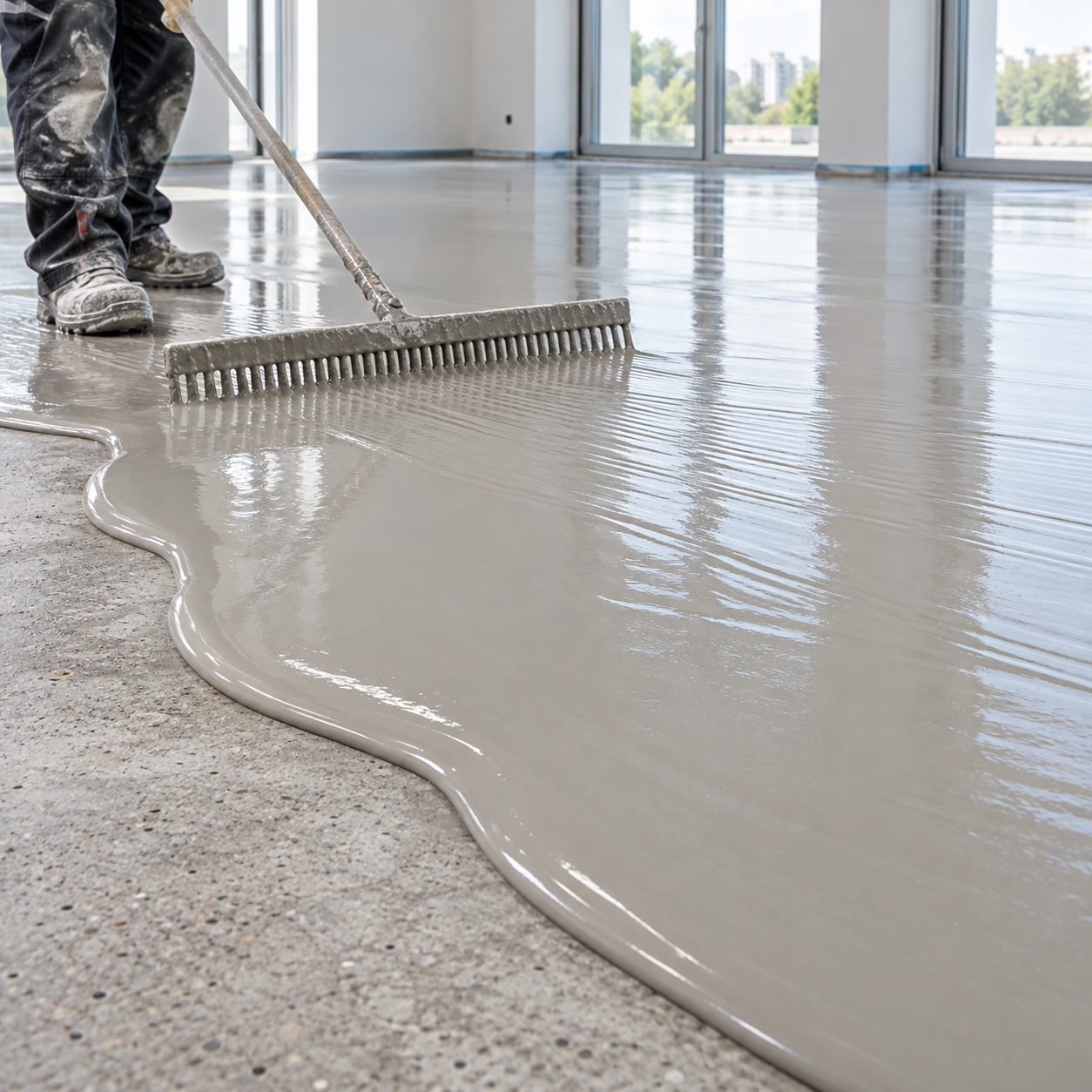 HPMC in Self-Leveling Mortar: Evaluating Flow, Stability and Surface Quality
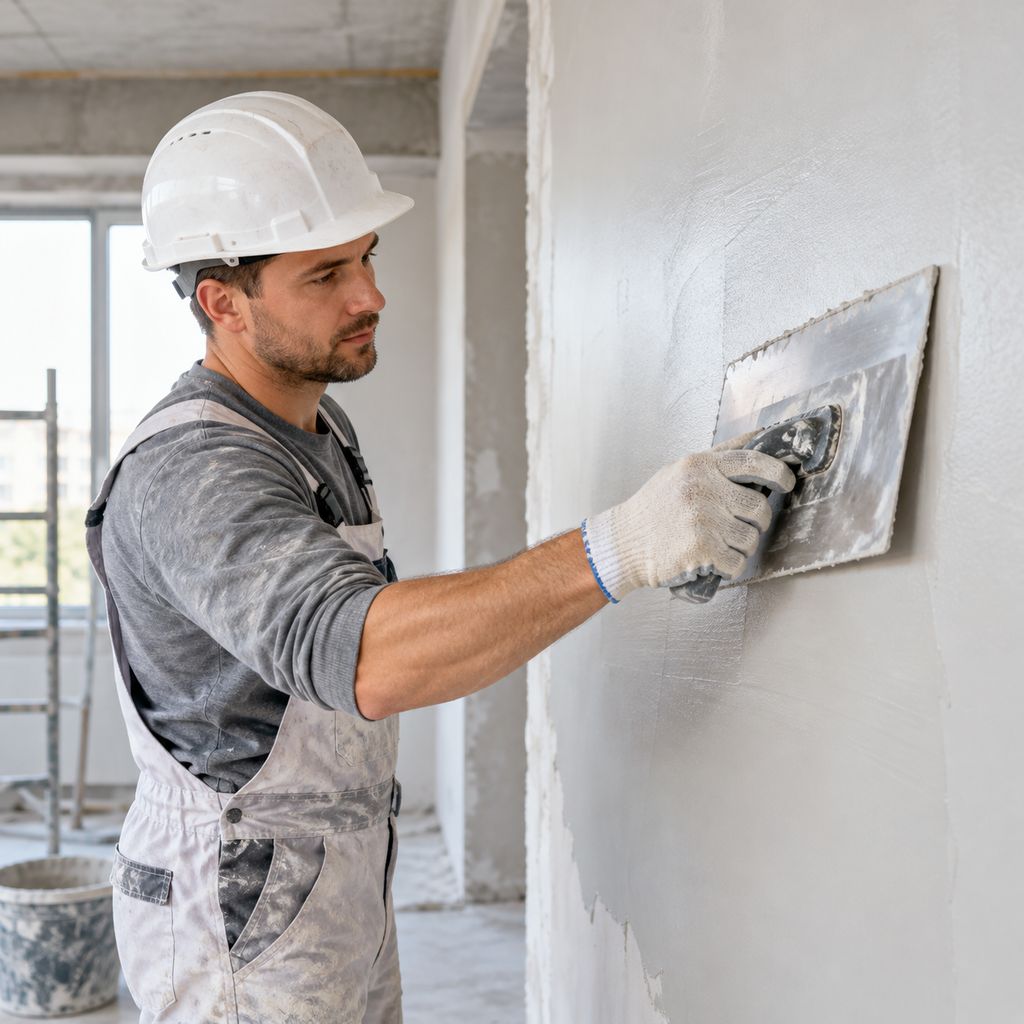 HPMC in Gypsum Plaster: How It Affects Workability, Water Retention and Surface Finish
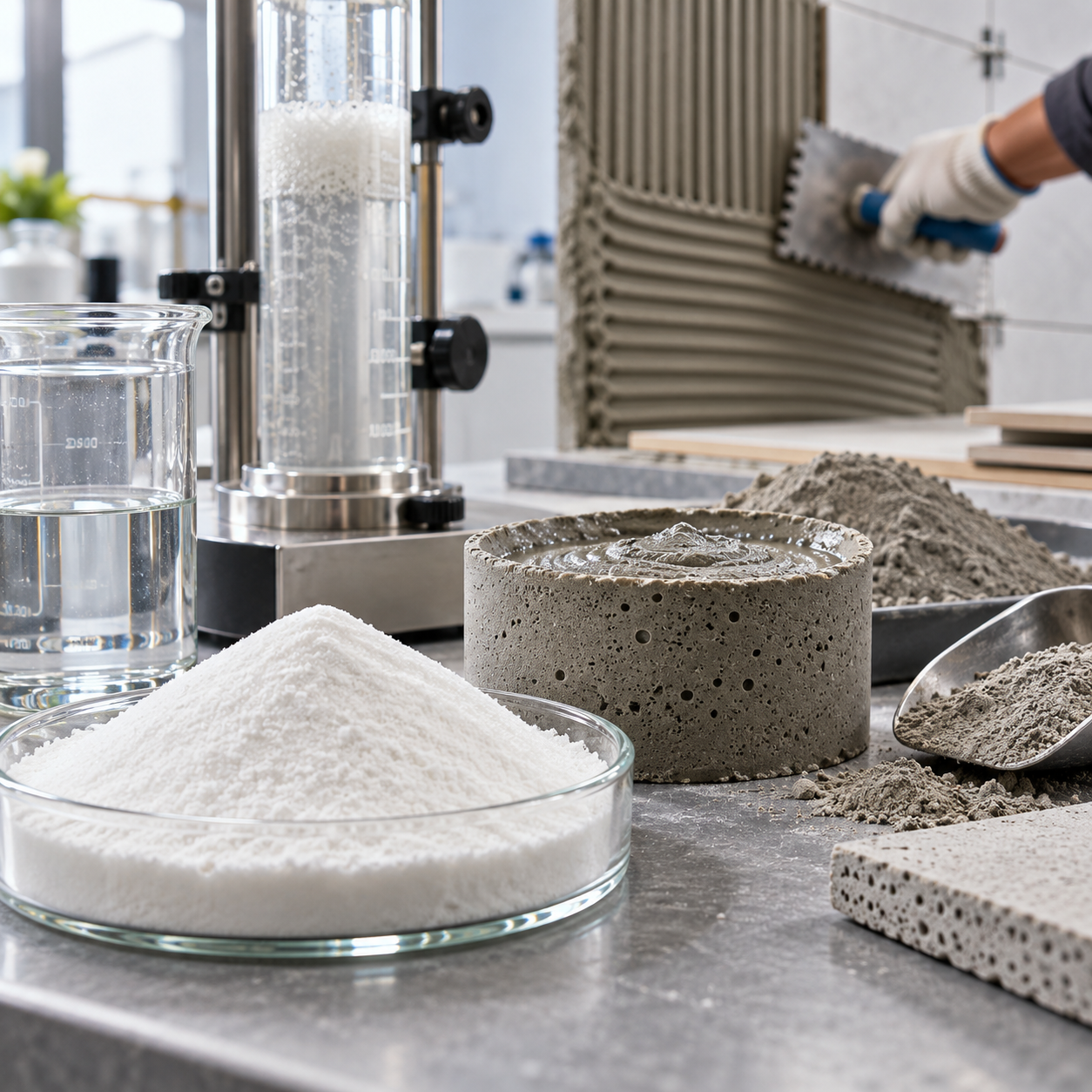 Why Does HPMC-Modified Mortar Contain Too Much Air? Causes, Testing and Formulation Troubleshooting
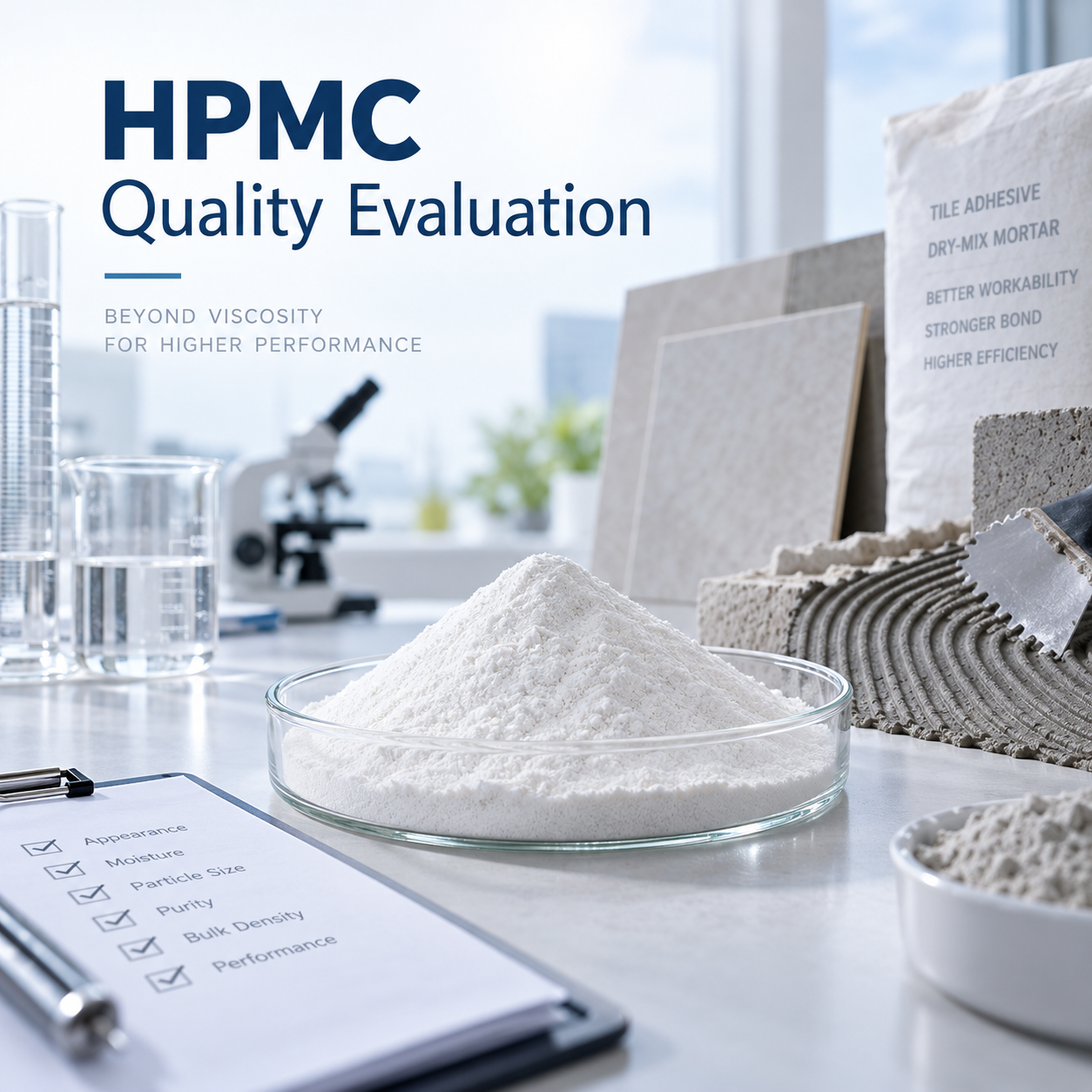 How to Evaluate HPMC Quality Beyond Viscosity? Key Parameters for Construction Grade HPMC Selection

