
In dry-mix mortar formulations, there is a white powdery additive that is used in small amounts but has a significant impact on workability. That additive is HPMC — Hydroxypropyl Methyl Cellulose.
Whether in tile adhesives, plastering mortars, or fillers, HPMC is a common formulation component. What exactly does it do? How do you choose between different grades? This article provides a practical overview.
HPMC (Hydroxypropyl Methyl Cellulose) is a non-ionic cellulose ether. It is produced from natural plant fibers (such as cotton linter or wood pulp) through alkalization and etherification.
Construction-grade HPMC has several key characteristics:
Water solubility: Dissolves in cold water to form a clear colloidal solution
Water retention: Locks in moisture, slowing down water evaporation and absorption by the substrate
Thickening: Increases mortar viscosity, improving sag resistance
pH stability: Remains stable in the alkaline environment of cement mortar
HPMC performs three main functions in dry-mix mortar:
First, water retention.
This is the core function of HPMC in mortar. Cement hydration requires sufficient water. If water evaporates too quickly or is absorbed too rapidly by the substrate, the cement cannot hydrate properly, leading to reduced strength, cracking, and surface dusting.
The hydrophilic groups in the HPMC molecular structure form hydrogen bonds with water molecules, effectively "locking" water within the mortar and extending the time water is available for cement hydration. This water retention is particularly valuable in thin-layer applications (such as tile adhesives and fillers) and on highly absorbent substrates (such as aerated concrete and gypsum board).
Second, thickening and sag resistance.
When working on vertical surfaces, mortar tends to flow downward due to gravity. HPMC increases mortar viscosity, giving it better body-holding capacity during application and reducing flow and slippage.
For tile adhesives, sag resistance directly affects application efficiency — tiles stay in place after placement without sliding down, reducing the need for repeated adjustments.
Third, extended open time.
Open time refers to the period after mortar application during which adjustments can still be made. HPMC slows water evaporation, extending this time window and giving workers more flexibility to complete application and adjustments.
Different mortar types have different open time requirements. Tile adhesives need a moderate open time, while gypsum-based products have higher requirements for open time stability.
Construction-grade HPMC is available in various specifications, primarily distinguished by two parameters:
First, viscosity.
Viscosity is the main basis for HPMC grade classification. Common construction-grade HPMC viscosities range from a few hundred mPa·s to over 200,000 mPa·s (measured on 2% aqueous solutions at 20°C).
Low viscosity (several hundred to several thousand): Good fluidity, suitable for self-leveling mortars
Medium viscosity (10,000 to 80,000): Broad application range, commonly used in tile adhesives and plastering mortars
High viscosity (over 100,000): Strong water retention, but excessive viscosity can affect workability
It is worth noting that higher viscosity is not always better. High-viscosity HPMC provides strong water retention, but the mortar becomes overly sticky, making it difficult to spread and prone to sticking to tools. The right choice balances water retention with workability.
Second, degree of substitution (methoxy and hydroxypropyl content).
The degree of substitution affects the gel temperature and dissolution properties of HPMC. Products with different degrees of substitution perform differently under varying temperature conditions, and selection should consider the ambient temperature during application.
Tile Adhesives.
HPMC provides water retention and sag resistance, ensuring that tile adhesives have sufficient water for cement hydration during thin-layer application while preventing tiles from sliding down after placement.
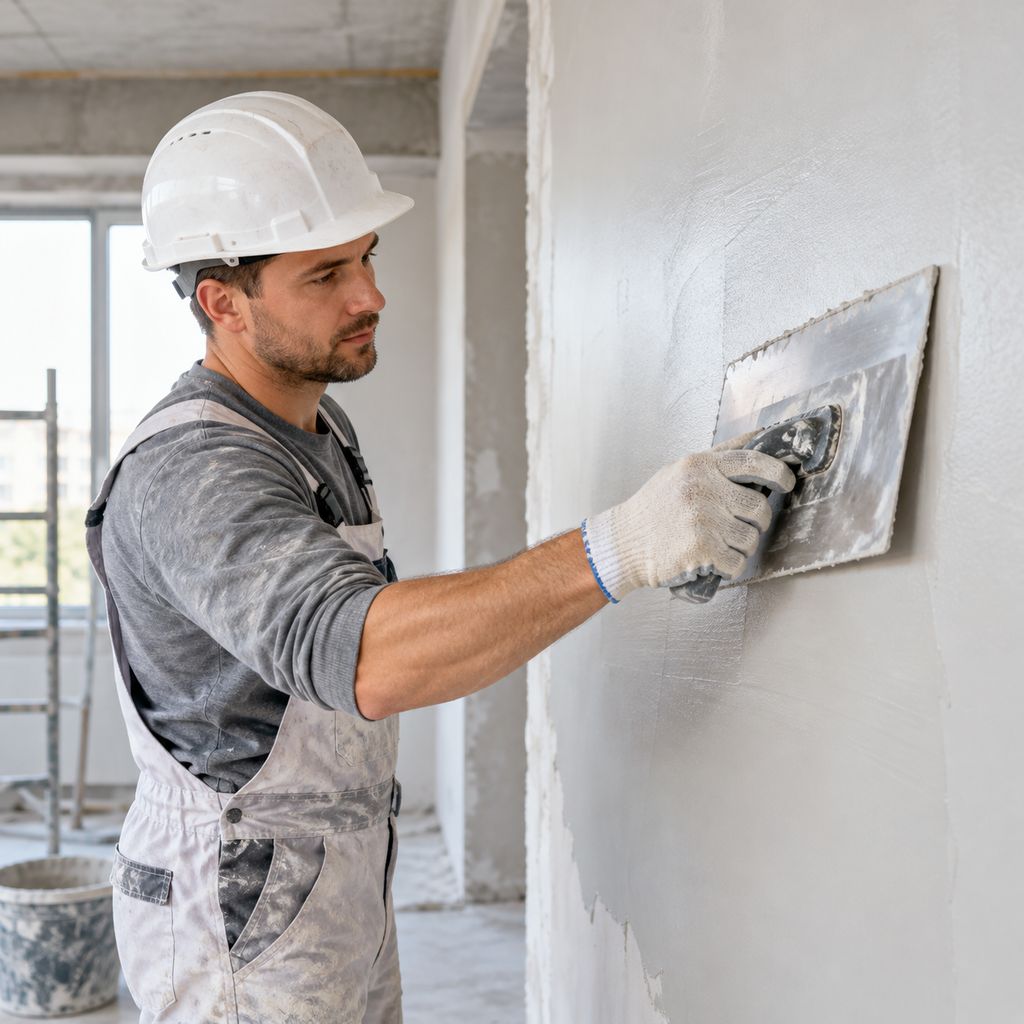
Plastering Mortars.
Plastering mortars require good workability and water retention. HPMC makes the mortar smooth and easy to spread while reducing hollowing and cracking caused by rapid water absorption by the wall.
Fillers and Putties.
In interior and exterior fillers, HPMC improves spreadability, enhances surface flatness, and extends the sanding window.
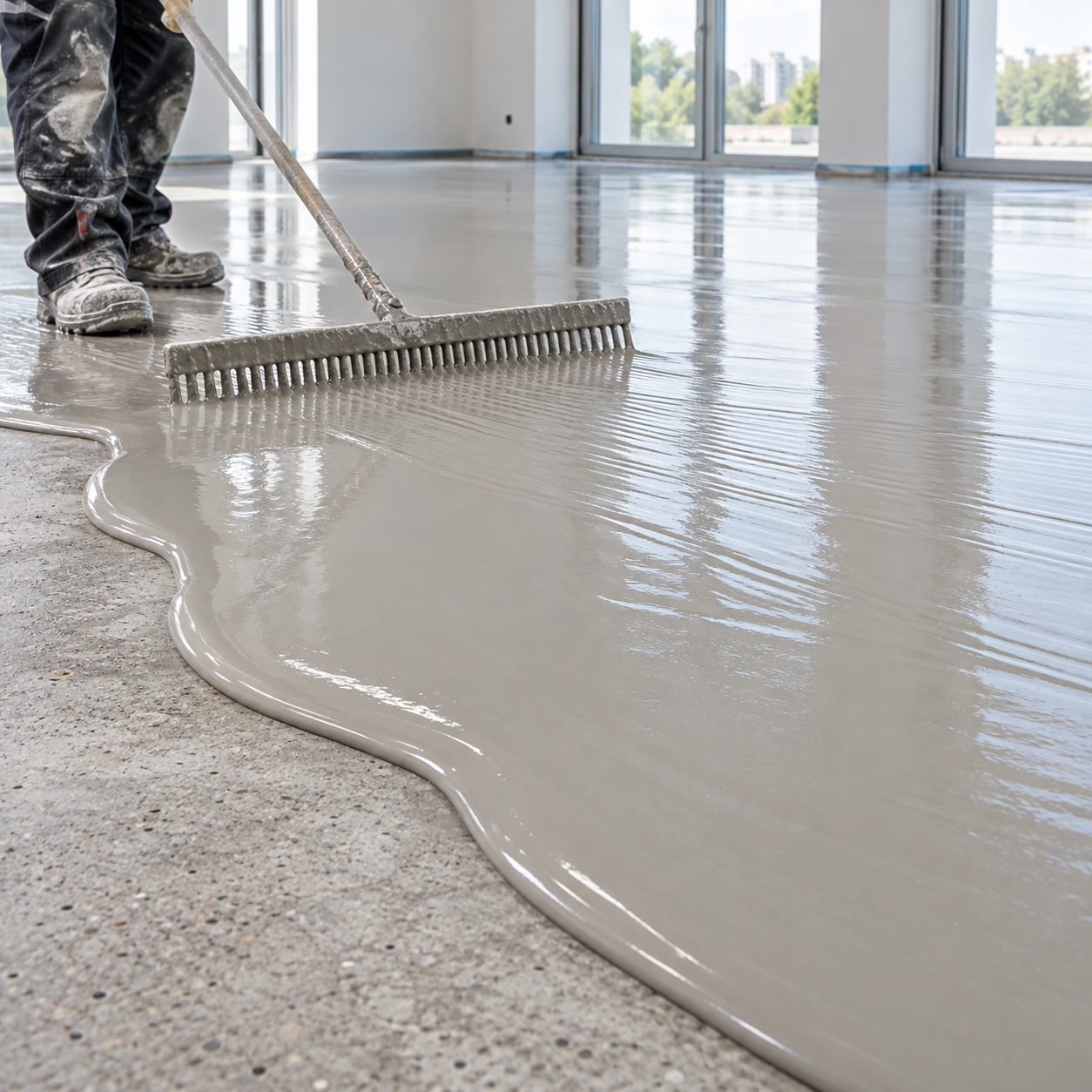
Self-Leveling Mortars.
Low-viscosity HPMC is used in self-leveling mortars to provide fluidity and water retention without compromising leveling performance.
Gypsum-Based Products.
In products such as gypsum plasters and gypsum fillers, HPMC provides water retention and thickening while helping to regulate setting time.
Selection recommendations:
Tile adhesives: Medium-viscosity HPMC (40,000-80,000 mPa·s)
Plastering mortars: Medium to slightly lower viscosity (30,000-60,000 mPa·s)
Self-leveling mortars: Low viscosity (several hundred to several thousand)
Fillers: Medium-high viscosity (60,000-100,000 mPa·s)
These are reference ranges. Actual selection should be based on testing with specific formulations.
Usage tips:
The dissolution rate of HPMC depends on water temperature. It dissolves slowly in cold water, but extending mixing time allows for complete dissolution. It is not recommended to dissolve HPMC directly in hot water, as surface gelation can occur, forming lumps that hinder dispersion.
In dry-mix mortar production, HPMC is mixed in dry powder form with other components. After water is added, HPMC gradually dissolves and performs its functions.
Construction-grade HPMC is one of the more commonly used cellulose ethers. Similar products include HEC (Hydroxyethyl Cellulose) and MC (Methyl Cellulose).
| Performance Aspect | HPMC | HEC | MC |
|---|---|---|---|
| Water solubility | Cold water soluble | Cold water soluble | Hot water soluble (cold water requires pretreatment) |
| Water retention | Good | Good | Good |
| Enzyme resistance | Fairly good | Fair | Fairly good |
| pH stability | Good | Good | Good |
| Suitable systems | Cement, gypsum | Coatings, aqueous systems | Cement, gypsum |
For cement-based and gypsum-based mortars, HPMC is a well-established choice with abundant technical documentation and reference formulations.
Construction-grade HPMC is a common additive in dry-mix mortar formulations. Its core value lies in water retention — ensuring that cement has sufficient water for complete hydration, thereby securing the final strength of the mortar. At the same time, its thickening and open-time extension functions contribute to application convenience.
Different viscosity grades and degrees of substitution are suitable for different applications. Selection should consider the mortar type, application method, and environmental conditions, with small-scale testing to determine the appropriate grade and dosage.
 HPMC in Self-Leveling Mortar: Evaluating Flow, Stability and Surface Quality
 HPMC in Gypsum Plaster: How It Affects Workability, Water Retention and Surface Finish
 Why Does HPMC-Modified Mortar Contain Too Much Air? Causes, Testing and Formulation Troubleshooting
 How to Evaluate HPMC Quality Beyond Viscosity? Key Parameters for Construction Grade HPMC Selection

