
Hydroxypropyl Methyl Cellulose (HPMC) is a non-ionic cellulose ether produced from natural cellulose through chemical modification processes including alkalization and etherification. Its appearance is white to off-white powder or granules, odorless and tasteless, soluble in cold water to form a transparent to translucent colloidal solution.
The molecular structure of HPMC contains two substituent groups—hydroxypropyl and methoxy groups. The type and ratio of these substituents determine key performance indicators such as hydrophilicity, water retention, thickening effect, and gel temperature. By adjusting the degree of substitution and molecular weight, HPMC products with different viscosity grades and dissolution characteristics can be produced to meet the varied requirements of different mortar formulations.
HPMC exhibits good chemical stability, with good tolerance to acids, alkalis, and various salts, and demonstrates excellent compatibility with inorganic cementitious materials such as cement and gypsum, as well as other additives. It is one of the most widely used cellulose ether varieties in dry-mix mortar systems.
Water retention is the core function of HPMC in mortar. After mortar application, moisture is lost bidirectionally to the substrate (especially porous substrates such as aerated concrete blocks and brick walls) and the external environment. If moisture loss occurs too rapidly, cement or gypsum will not have sufficient time for hydration, leading to inadequate strength development, reduced bond strength, and subsequent quality issues such as hollowing, cracking, and dusting.
When HPMC dissolves in water, the hydrophilic groups (hydroxyl and ether bonds) on its molecular chains form hydrogen bonds with water molecules, effectively "locking" moisture within the system. Simultaneously, the HPMC molecular chains intertwine in solution, forming a three-dimensional network structure that further impedes the free migration and evaporation of water. This dual water retention mechanism enables HPMC to effectively slow the rate of moisture loss in mortar, providing cementitious materials with more adequate time for hydration reactions.
The water retention advantages of HPMC are particularly evident under adverse construction conditions such as high temperature, dry environments, or strong winds. Mortar containing HPMC maintains an appropriate moisture content after application, ensuring continuous hydration of cement or gypsum and thereby safeguarding hardened strength and durability.
In plastering mortar, HPMC effectively improves the interfacial bonding between mortar and substrate, reducing issues caused by excessive substrate water absorption, such as inadequate cement hydration and poor plaster adhesion. In tile adhesives, HPMC's water retention provides more adequate time for cement hydration, contributing to stable bond strength development.
HPMC has a significant thickening effect, effectively increasing the viscosity and yield stress of mortar. This thickening action, on one hand, gives the mortar appropriate consistency during application, reducing sagging—particularly beneficial in thick-layer plastering and tile installation. On the other hand, it slows particle sedimentation within the mortar, effectively reducing bleeding and segregation, and ensuring uniformity and stability of the mixture.
More importantly, HPMC imparts good lubricity and thixotropy to mortar, making the application process smoother. Reduced resistance during troweling and easier pressing and sliding during tile placement contribute to improved worker efficiency and construction quality.
In putty products, the thickening and lubricating effects of HPMC enable smoother troweling, higher surface flatness, and reduced dusting during sanding, resulting in a finer and more uniform putty layer surface, providing a good substrate for subsequent coating applications.
In self-leveling mortar, HPMC balances flowability and segregation resistance by regulating rheological properties, preventing powder sedimentation and stratification, and ensuring a flatter and more uniform hardened surface.
Extended Open Time
Open time refers to the time window after mortar application during which adjustments or tile placement can be made before surface skinning occurs. HPMC extends the workable time of mortar, providing construction personnel with more ample adjustment time. In tile installation, this characteristic improves placement convenience.
Enhanced Bond Strength
Through the dual action of water retention and thickening, HPMC provides more favorable conditions for cementitious material hydration, resulting in a denser interfacial transition zone, thereby contributing to improved bond strength between mortar and substrate.
Slip Resistance
In tile installation applications, the thickening effect of HPMC imparts a certain yield stress to the adhesive, effectively resisting the downward sliding tendency of tiles under gravity, reducing the need for frequent adjustments during installation and improving placement efficiency.
Viscosity Grade Selection
HPMC products are classified by viscosity into low viscosity (e.g., 400–800 mPa·s), medium viscosity (e.g., 2,000–10,000 mPa·s), and high viscosity (e.g., above 20,000 mPa·s) grades. Different viscosity grades are suitable for different mortar systems: low-viscosity HPMC is suitable for systems requiring higher flowability, such as self-leveling mortar; medium-viscosity HPMC is suitable for conventional applications such as plastering mortar and tile adhesives; high-viscosity HPMC is suitable for products with higher thickening and water retention requirements, such as putty and thermal insulation mortar.
Instant and Hot-Soluble Types
HPMC is also available in instant and hot-soluble types. Instant products disperse and dissolve rapidly in cold water, suitable for on-site mixing of dry-mix mortar. Hot-soluble products disperse in cold water and dissolve completely upon heating, suitable for specific production processes.
Dosage Control
The dosage of HPMC should be determined based on specific formulations and application scenarios. Small-batch trials are recommended to verify key indicators such as water retention, workability, and hardened strength. Insufficient dosage may lead to inadequate water retention, affecting mortar performance; excessive dosage may increase costs and adversely affect workability. Standard packaging is generally 25 kg paper bags or composite bags, supporting small-batch sample trials and full truckload shipments. Products should be stored in a cool, dry place to prevent moisture absorption and caking.
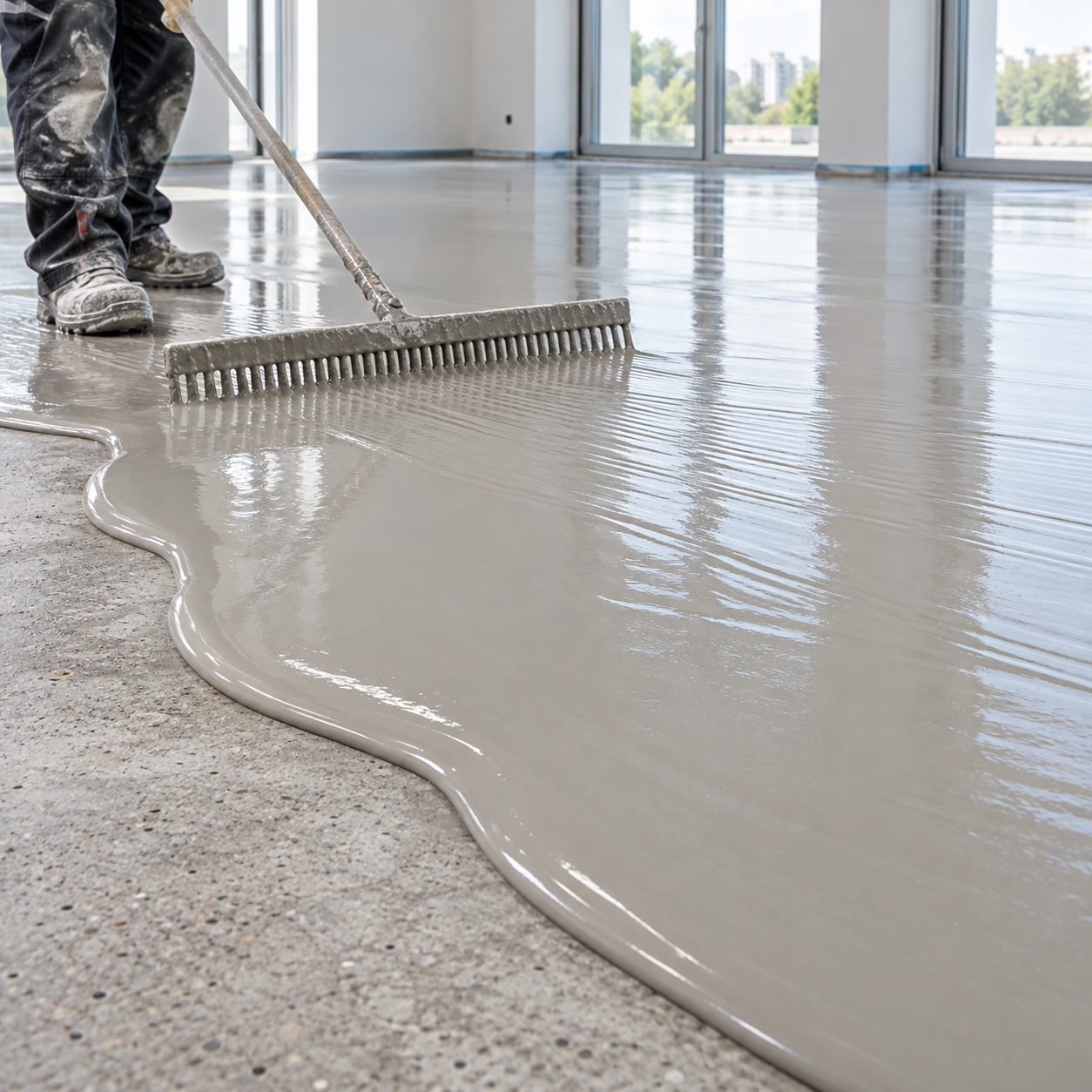 HPMC in Self-Leveling Mortar: Evaluating Flow, Stability and Surface Quality
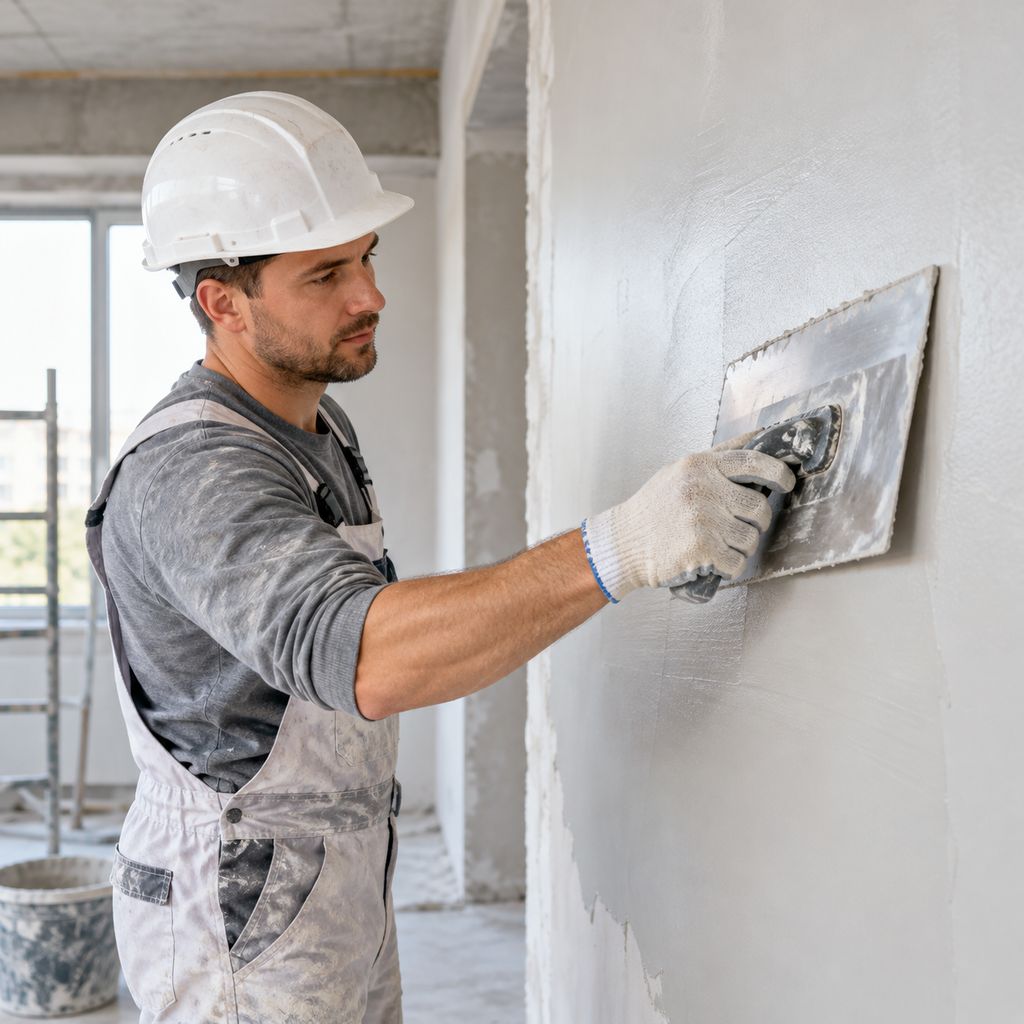 HPMC in Gypsum Plaster: How It Affects Workability, Water Retention and Surface Finish
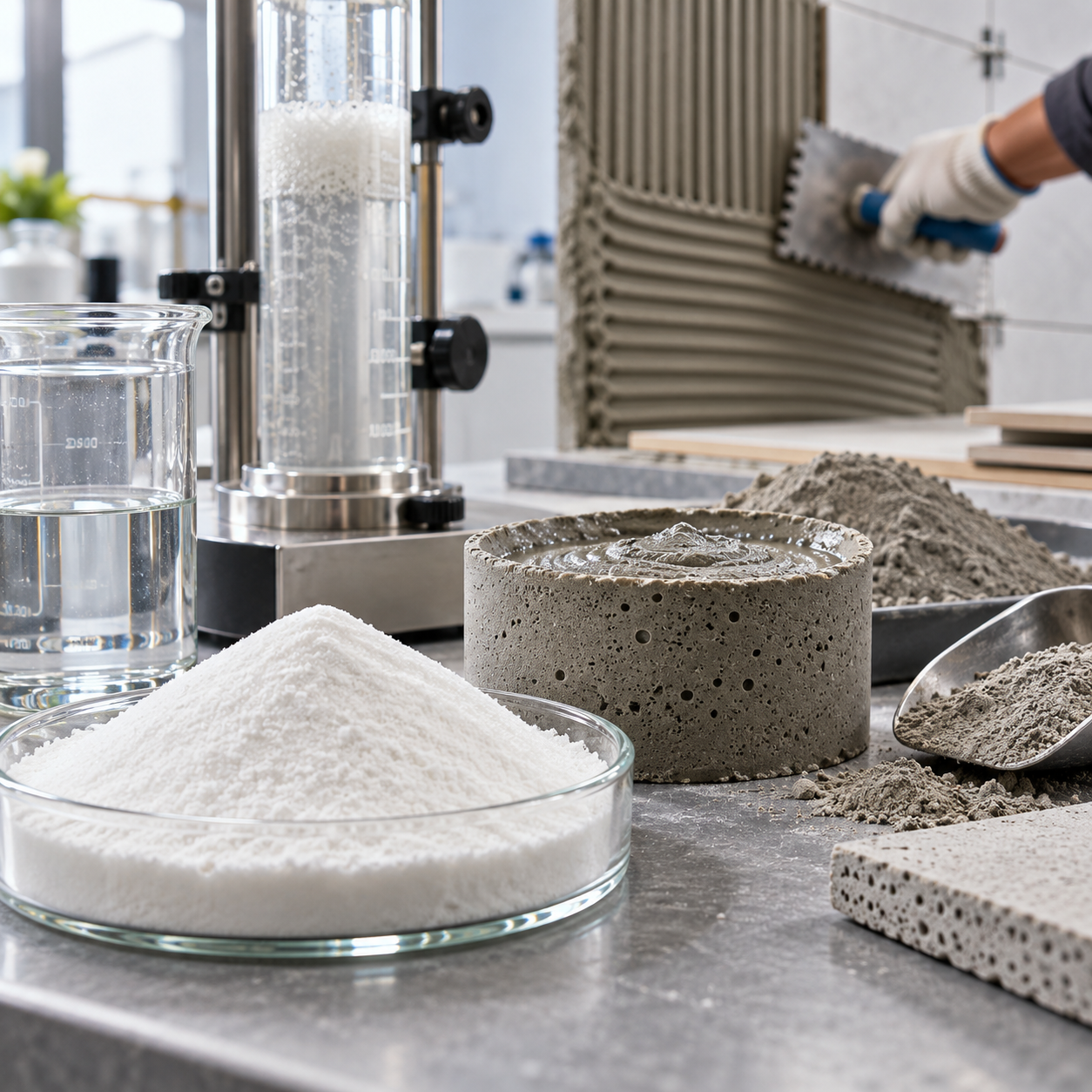 Why Does HPMC-Modified Mortar Contain Too Much Air? Causes, Testing and Formulation Troubleshooting
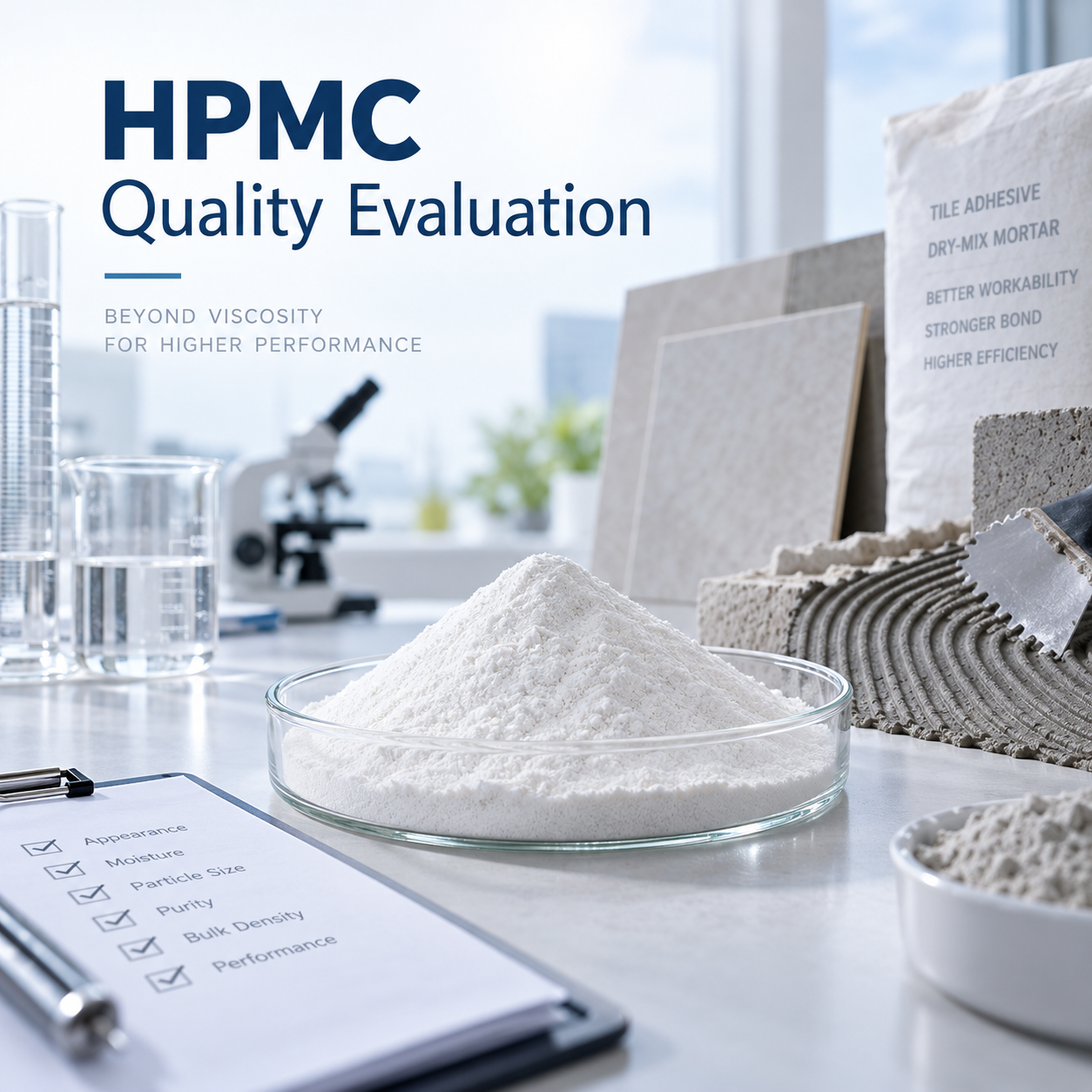 How to Evaluate HPMC Quality Beyond Viscosity? Key Parameters for Construction Grade HPMC Selection

