
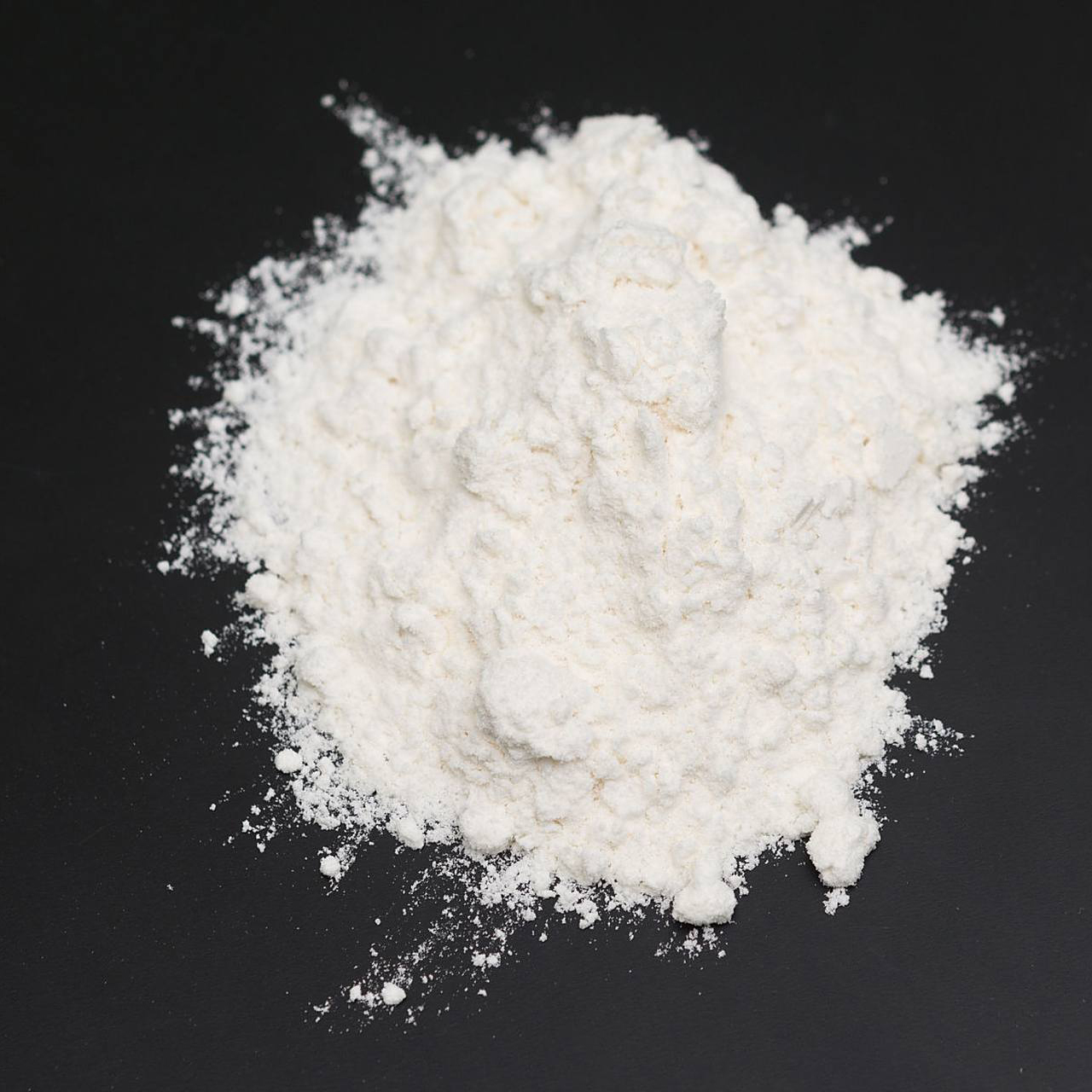
Hydroxypropyl Methyl Cellulose (HPMC) is a non-ionic cellulose ether produced through alkalization and etherification of natural cellulose. The product appears as a white or off-white fibrous powder or granules, soluble in cold water to form a transparent or translucent colloidal solution, providing thickening, water retention, film-forming, and stabilization properties.
The molecular structure of HPMC contains hydroxypropyl and methyl substituent groups. As it carries no charge in water, it belongs to the non-ionic type and does not react with charged ions in cementitious materials such as cement and gypsum. It exhibits good chemical stability. This characteristic makes it a commonly used additive in construction dry-mix mortars, coatings, daily chemicals, and other industries.
Water retention is one of the primary functions of HPMC. In mortar systems, HPMC can form a network structure that slows down the rate of water penetration into substrates or evaporation into the air, ensuring that cement or gypsum has sufficient time for hydration. Water retention performance directly affects the bond strength, crack resistance, and surface quality of mortars.
HPMC can thicken fresh mortar, providing a certain degree of wet tackiness to prevent segregation and layering. During troweling and application, the thickening effect makes construction smoother, reduces sticking to the trowel, and helps improve construction efficiency.
HPMC itself has air-entraining properties, introducing uniformly distributed fine bubbles into the mortar. These bubbles can act as "ball bearings" to improve mortar workability while reducing the wet density of the mortar.
HPMC adsorbs onto the surface of cement particles, delaying the contact between cement and water and slowing the hydration process. As the HPMC dosage increases, both the initial and final setting times of cement paste extend accordingly. In practical applications, the appropriate dosage should be determined through trials based on construction requirements to avoid excessively long setting times that may delay the project schedule.
HPMC is a commonly used additive in dry-mix mortar formulations, with key application scenarios including:
Plastering Mortars: Enhances bond strength with the substrate and reduces the risk of shrinkage cracking due to rapid moisture loss
Tile Adhesives: Increases open time and improves anti-slip performance
External Thermal Insulation System Renderings and Adhesive Mortars: Enhances water retention and construction convenience
Gypsum-Based Mortars (Lightweight Plaster, Joint Filler, etc.): Regulates paste stability and construction performance
Putty Powders: Improves adhesion and surface smoothness
Reference Dosage: Typically 0.3%–0.4% for interior wall putties and 0.4%–0.5% for exterior wall putties (based on total cementitious material mass). HPMC dosage should not be excessively high, as overdosing may increase water demand, cause sticking to the trowel, and extend setting time.
HPMC is also applied in the following fields:
Water-Based Coatings: Used as a thickener and stabilizer
Daily Chemicals: Used as a thickener and stabilizer
Pharmaceutical Industry: Used as a coating material and sustained-release formulation excipient
Viscosity is an important parameter to consider when selecting HPMC. Different application scenarios have different viscosity requirements:
| Application Scenario | Recommended Viscosity | Notes |
|---|---|---|
| Self-Leveling Mortars | Low viscosity (approx. 400 mPa·s) | Ensures flowability |
| Tile Adhesives, Exterior Wall Putties | Medium-high viscosity (100,000–150,000 mPa·s) | Provides sag resistance and bond strength |
| Plastering Mortars | Medium-high viscosity | Balances water retention and workability |
It should be noted that higher viscosity generally provides better water retention but may also cause sticking to the trowel and higher adhesion to the substrate, affecting workability. Viscosity should match formulation requirements.
Powder fineness affects the dispersion of HPMC in dry-mix mortars. Finer powders dissolve more uniformly when water is added, avoiding clumping. If HPMC clumps during dissolution, it is difficult to disperse evenly later, potentially causing localized strength reduction and cracking. In spray mortars for mechanical application, due to shorter mixing times, higher fineness is required.
The water retention of HPMC decreases as temperature rises. Under high-temperature summer conditions, the water retention effect of the same HPMC at the same dosage may change. Construction personnel should adjust formulations based on seasonal variations or select modified products to cope with high-temperature environments.
Whether parameters such as viscosity and fineness remain stable between batches directly affects the consistency of mortar formulation performance. Choosing suppliers with sound quality control systems helps ensure product quality stability.
When selecting HPMC, the following methods can be used to preliminarily assess product quality:
1. Appearance Observation
Quality HPMC appears as white or slightly yellow powder with uniform particles, no clumps, no impurities, and a smooth feel. Lower-quality products may appear gray or black, with obvious clumps or fine particles.
2. Water Dissolution Test
Quality HPMC dissolves to form a clear and transparent solution with no significant precipitation or flocculent material, and no separation after 24 hours of standing. Lower-quality products may produce cloudy or white solutions with significant precipitation or floating particles.
3. Odor Identification
Pure HPMC has no odor of ammonia, starch, or alcohols. Adulterated products often have various unusual odors.
Shenyang Xingzhenghe Chemical Co., Ltd. (www.xzhch.com) is a supplier specializing in concrete admixtures and construction chemical raw materials, established in 2009. The company's product range includes Hydroxypropyl Methyl Cellulose (HPMC), lignosulfonate series, polycarboxylate superplasticizers, and sodium gluconate.
The company has experience in the supply of HPMC products, serving applications including construction dry-mix mortars, tile adhesives, and putty powders, with distribution across domestic regions and international markets.
Hydroxypropyl Methyl Cellulose (HPMC) provides water retention, thickening, retarding, and air-entraining functions in construction mortars, coatings, and other applications. When selecting HPMC products, factors such as viscosity specifications, fineness, application environment, and supplier quality control capabilities may be considered. Proper selection and correct usage contribute to improved mortar workability and hardened performance.
Shenyang Xingzhenghe Chemical Co., Ltd. is committed to providing HPMC and related construction chemical raw material solutions to its customers.
Contact Us:
Company: Shenyang Xingzhenghe Chemical Co., Ltd.
Website: www.xzhch.com
Phone: +86 13889850231
Email: sales01@xzhch.com
Address: No. 33, Nan'er Road, Heping District, Shenyang, China
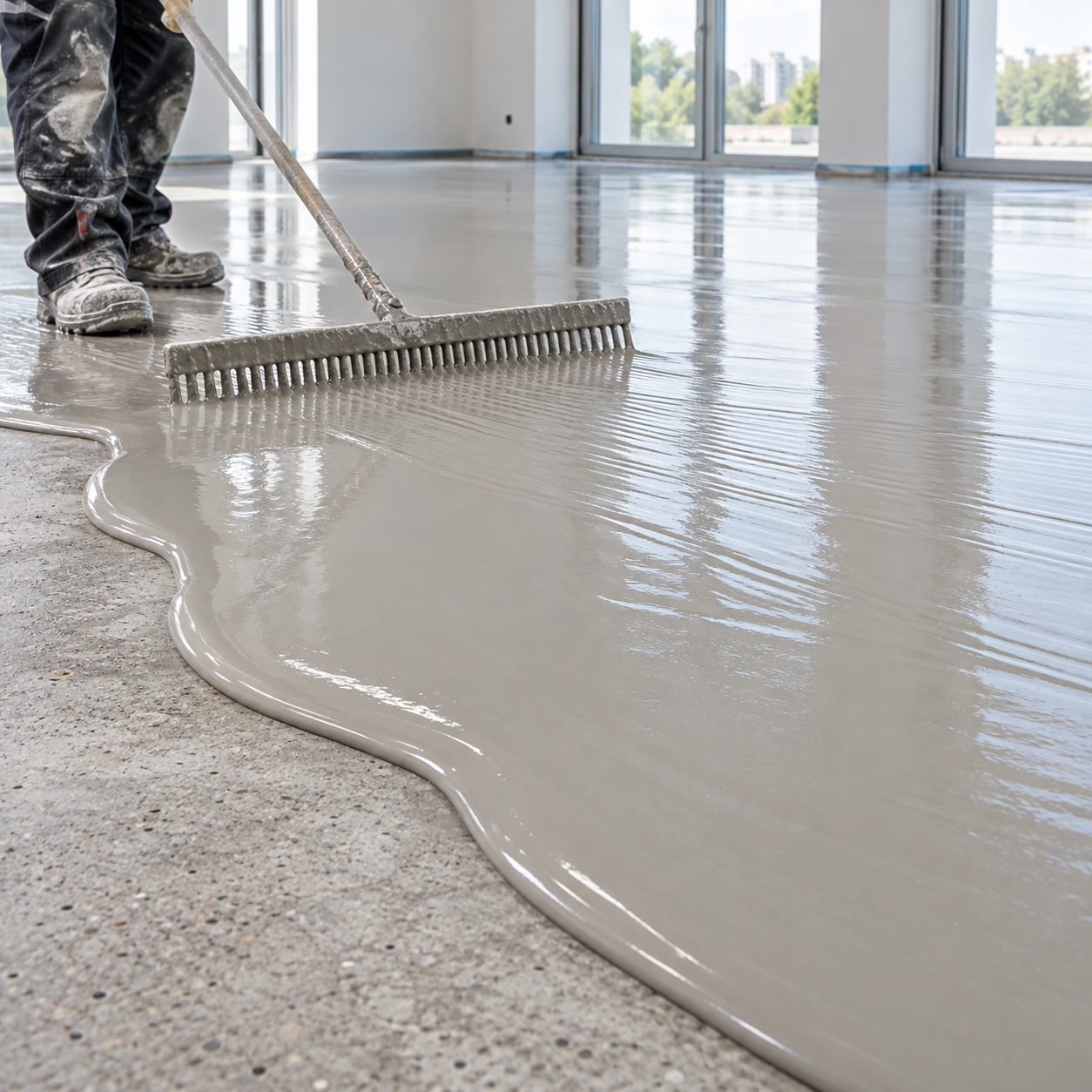 HPMC in Self-Leveling Mortar: Evaluating Flow, Stability and Surface Quality
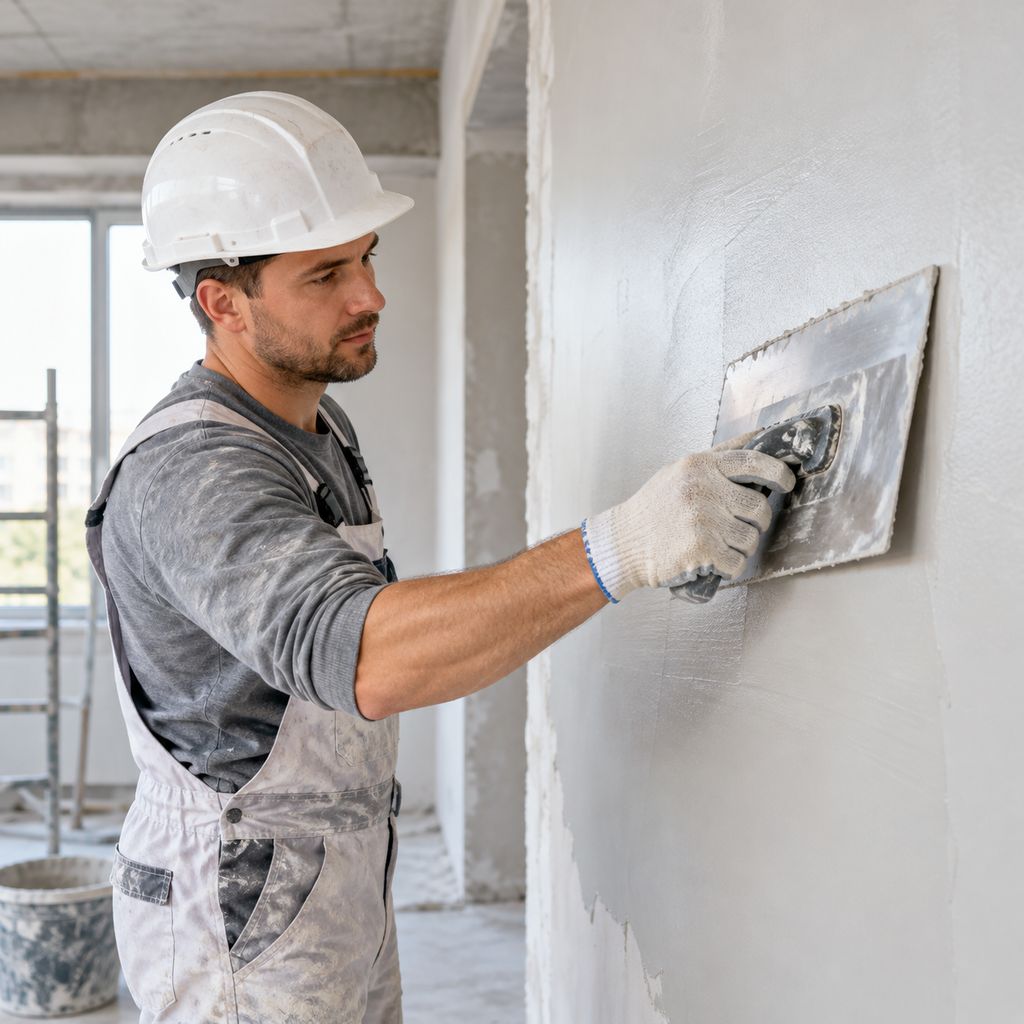 HPMC in Gypsum Plaster: How It Affects Workability, Water Retention and Surface Finish
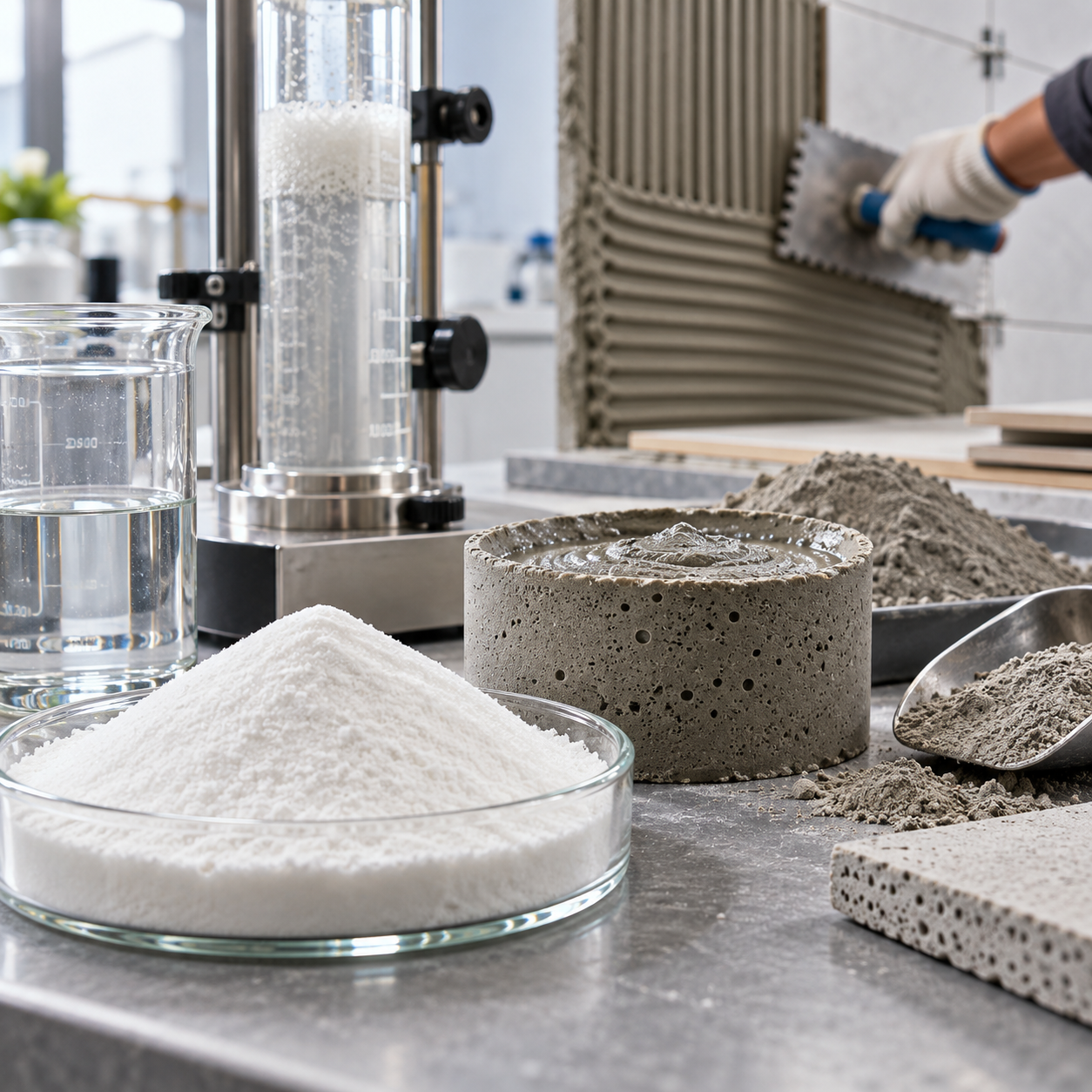 Why Does HPMC-Modified Mortar Contain Too Much Air? Causes, Testing and Formulation Troubleshooting
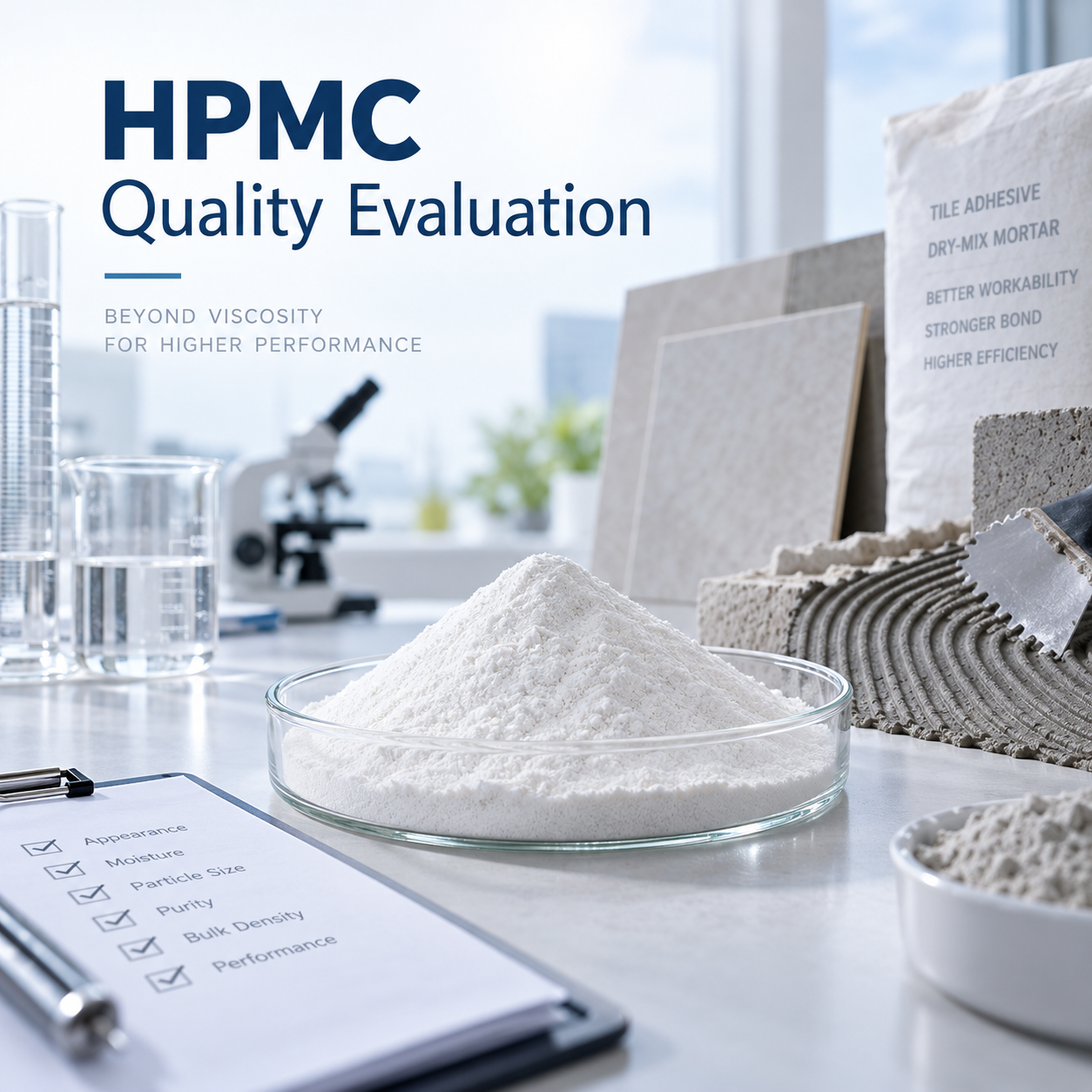 How to Evaluate HPMC Quality Beyond Viscosity? Key Parameters for Construction Grade HPMC Selection

