
Viscosity is a measure of the thickness of a Hydroxypropyl Methyl Cellulose aqueous solution. It is typically expressed in millipascal-seconds, measured at 20 degrees Celsius using a 2% aqueous solution. Viscosity is a key parameter for evaluating HPMC performance, directly affecting its thickening, water retention, and workability in mortar systems.
Different viscosity grades of HPMC exhibit different characteristics in construction applications. The selection of viscosity should be determined based on the process requirements and performance targets of each specific application. Higher viscosity does not necessarily mean better performance.
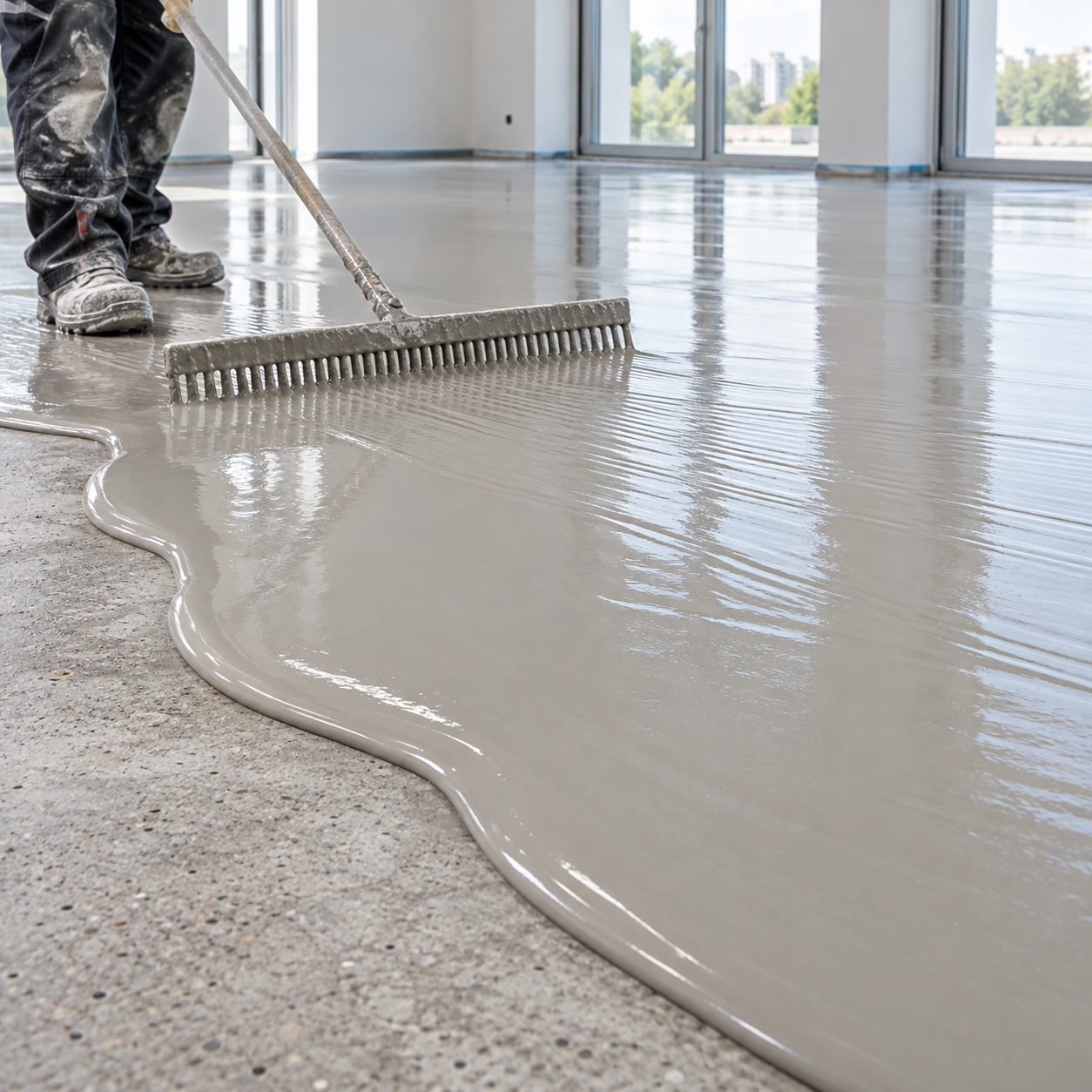
Low-viscosity HPMC is primarily used in self-leveling mortars and self-compacting concrete. Products in this category offer good flowability and leveling properties. When added to mortar systems, they help control surface water retention, reduce bleeding, and minimize shrinkage, which contributes to crack reduction.
Key Characteristics:
Good flowability and leveling performance
Higher mortar density
Relatively lower water retention
Suitable Applications: Self-leveling mortars, self-compacting concrete, and certain gypsum-based materials with high flowability requirements.
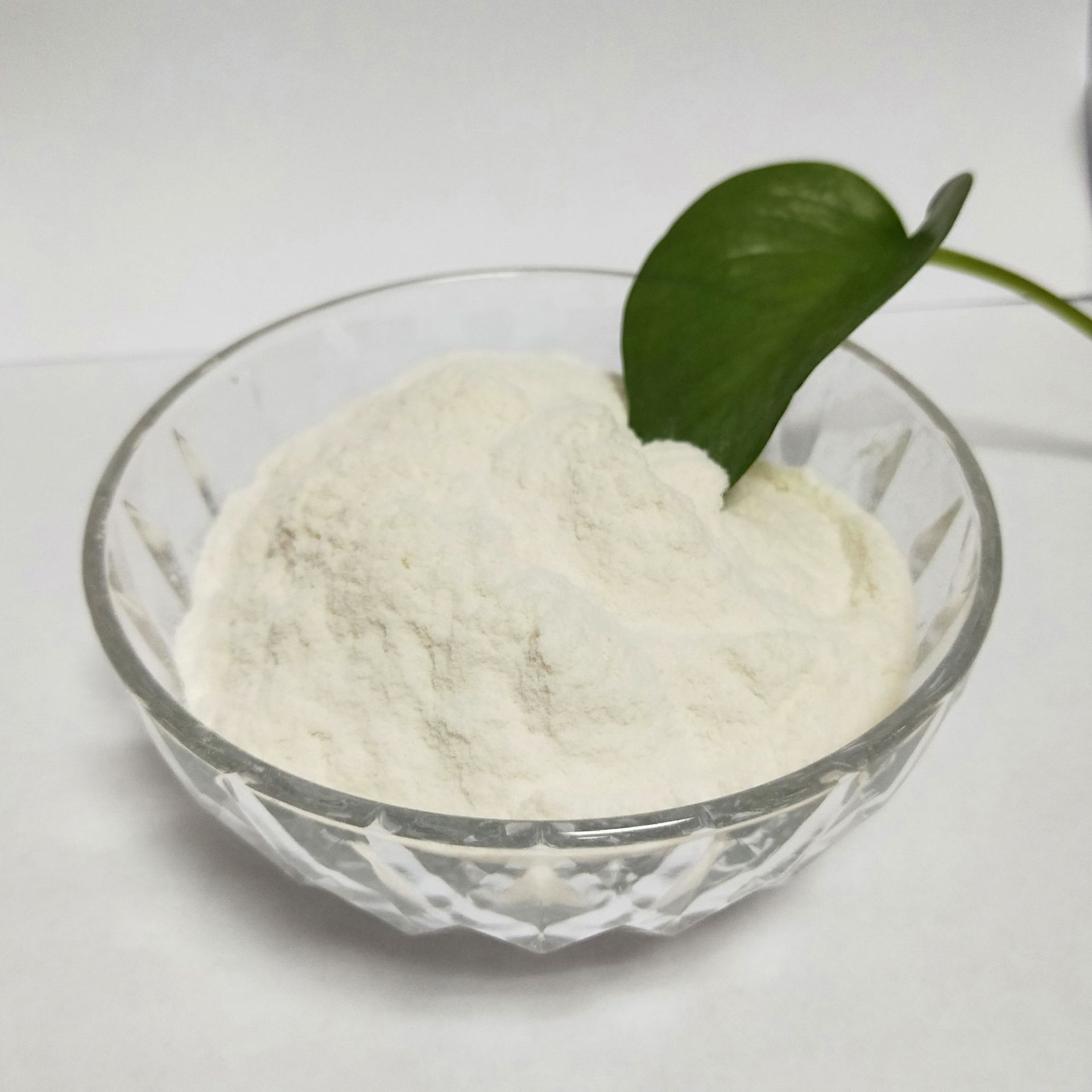
Medium-low viscosity HPMC (20,000–50,000 mPa·s) is mainly used in tile adhesives, grouts, crack-resistant mortars, and insulation adhesive mortars.
Key Characteristics:
Good workability with lower water demand
High mortar density
Balanced water retention and cohesiveness
Suitable Applications: Tile installation, grouting, crack-resistant mortars, and adhesive mortars for external insulation systems.
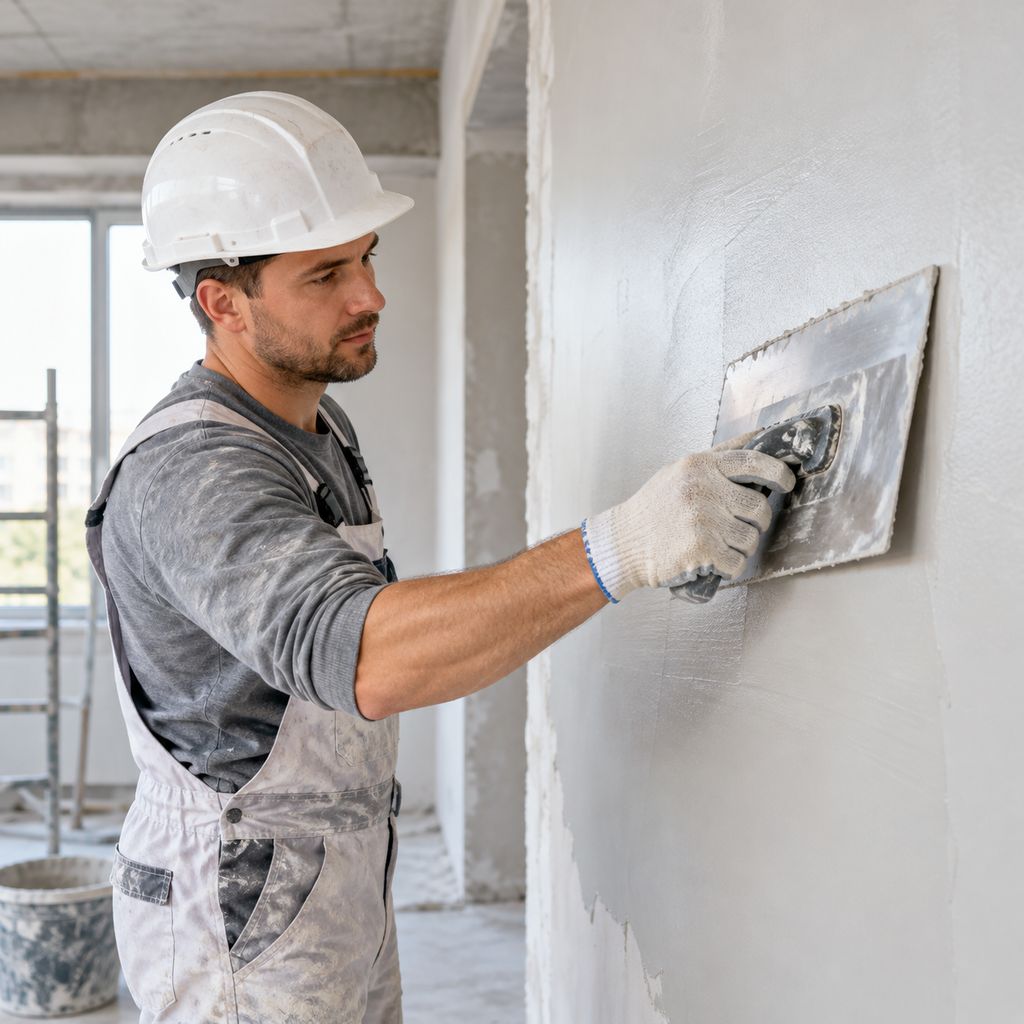
Medium-viscosity HPMC (75,000–100,000 mPa·s) is primarily used in interior and exterior wall putty powders.
Key Characteristics:
Good water retention
Good sag resistance during application
A common balance point between water retention and cost
Suitable Applications: Interior wall putties and exterior wall putties. In putty powder applications, the primary function of HPMC is water retention, with thickening being secondary. As long as water retention requirements are met, products with 70,000–80,000 mPa·s viscosity can also be used effectively.
High-viscosity HPMC (150,000–200,000 mPa·s) is mainly used in polystyrene particle insulation mortars, vitrified microsphere insulation mortars, and other systems requiring higher consistency.
Key Characteristics:
Higher consistency
Reduced sagging and improved workability
Better adhesion to wall surfaces
Suitable Applications: Polystyrene particle insulation mortar binders, vitrified microsphere insulation mortars, and basecoat mortars for external insulation systems.
Water retention of mortar increases with HPMC viscosity. However, beyond a certain range, water retention no longer increases significantly. This indicates that for water retention performance, higher viscosity does not necessarily provide greater benefits beyond a certain threshold, with diminishing returns.
Higher HPMC solution viscosity improves the consistency of cement-based materials, enhances adhesion to substrates, and increases resistance to sagging and dispersion. However, excessively high viscosity can affect the flowability and workability of cement-based materials. For example, in plastering mortar applications, it may cause sticking to the trowel.
Cellulose ether solutions typically exhibit shear-thinning behavior, where viscosity decreases during mixing. This characteristic facilitates the troweling and application of mortars.
HPMC viscosity is inversely related to temperature—lower temperatures result in higher viscosity. In summer, when temperatures are higher, the viscosity of the same HPMC product will decrease; in winter, when temperatures are lower, viscosity will increase, resulting in a heavier feel during application.
In practice, lower viscosity products are recommended for winter use, while products one grade higher in viscosity are recommended for summer, or the dosage may be increased appropriately, to maintain consistent application feel.
The following table summarizes the relationship between viscosity grades and suitable applications:
| Viscosity Grade | Primary Applications | Selection Rationale |
|---|---|---|
| Low Viscosity | Self-leveling mortars | Good flowability and leveling |
| Medium-Low Viscosity | Tile adhesives, grouts, crack-resistant mortars | Good workability, low water demand |
| Medium Viscosity | Interior and exterior wall putties | Good water retention and sag resistance |
| High Viscosity | Insulation mortars, specialty mortars | High consistency, reduced sagging |
Note: The above represents typical selection references. Final selection should be determined through trials based on formulation requirements and construction conditions.
Shenyang Xingzhenghe Chemical Co., Ltd. (www.xzhch.com) is a supplier specializing in concrete admixtures and construction chemical raw materials, established in 2009. The company's primary product offering is Hydroxypropyl Methyl Cellulose, available in various viscosity grades to meet the needs of different applications including putty powders, tile adhesives, self-leveling mortars, and insulation mortars.
Different viscosity grades of Hydroxypropyl Methyl Cellulose serve different purposes in construction applications: low viscosity focuses on leveling and flowability for self-leveling systems; medium-low viscosity balances workability and density for tile adhesives and grouts; medium viscosity emphasizes water retention and application feel for putties; high viscosity focuses on consistency and sag resistance for insulation mortars. Selection should consider water retention requirements, construction conditions, and seasonal temperature variations.
Shenyang Xingzhenghe Chemical Co., Ltd. is committed to providing HPMC and related construction chemical raw material solutions to its customers.
Contact Us:
Company: Shenyang Xingzhenghe Chemical Co., Ltd.
Website: www.xzhch.com
Phone: +86 13889850231
Email: sales01@xzhch.com
Address: No. 33, Nan'er Road, Heping District, Shenyang, China
 HPMC in Self-Leveling Mortar: Evaluating Flow, Stability and Surface Quality
 HPMC in Gypsum Plaster: How It Affects Workability, Water Retention and Surface Finish
 Why Does HPMC-Modified Mortar Contain Too Much Air? Causes, Testing and Formulation Troubleshooting
 How to Evaluate HPMC Quality Beyond Viscosity? Key Parameters for Construction Grade HPMC Selection

