
In dry-mix mortar systems, Hydroxypropyl Methyl Cellulose (HPMC), as a non-ionic cellulose ether, performs functions in water retention, thickening, and workability regulation through the hydrophilic groups in its molecular structure. It is suitable for a range of dry-mix building material products including plastering mortar, masonry mortar, tile adhesive, and putty powder.
The molecular chain of HPMC contains a substantial number of hydroxyl groups and ether oxygen atoms. These hydrophilic groups are capable of forming hydrogen bonds with water molecules, converting free water into bound water and effectively inhibiting excessive evaporation of moisture from the mortar system or excessive loss to the substrate.
Under adverse construction conditions such as high temperature, dry climate, or strong wind, rapid moisture loss is a primary factor affecting cement hydration quality. The water retention effect of HPMC maintains suitable moisture content in the mortar for an extended period after application, ensuring that the cementitious materials receive adequate hydration time and that hydration products form sufficiently. This effect has a direct influence on the strength development and microstructural densification of hardened mortar. In practical engineering applications, the water retention function of HPMC contributes to reducing the occurrence of quality defects such as hollowing, cracking, and dusting caused by insufficient hydration.
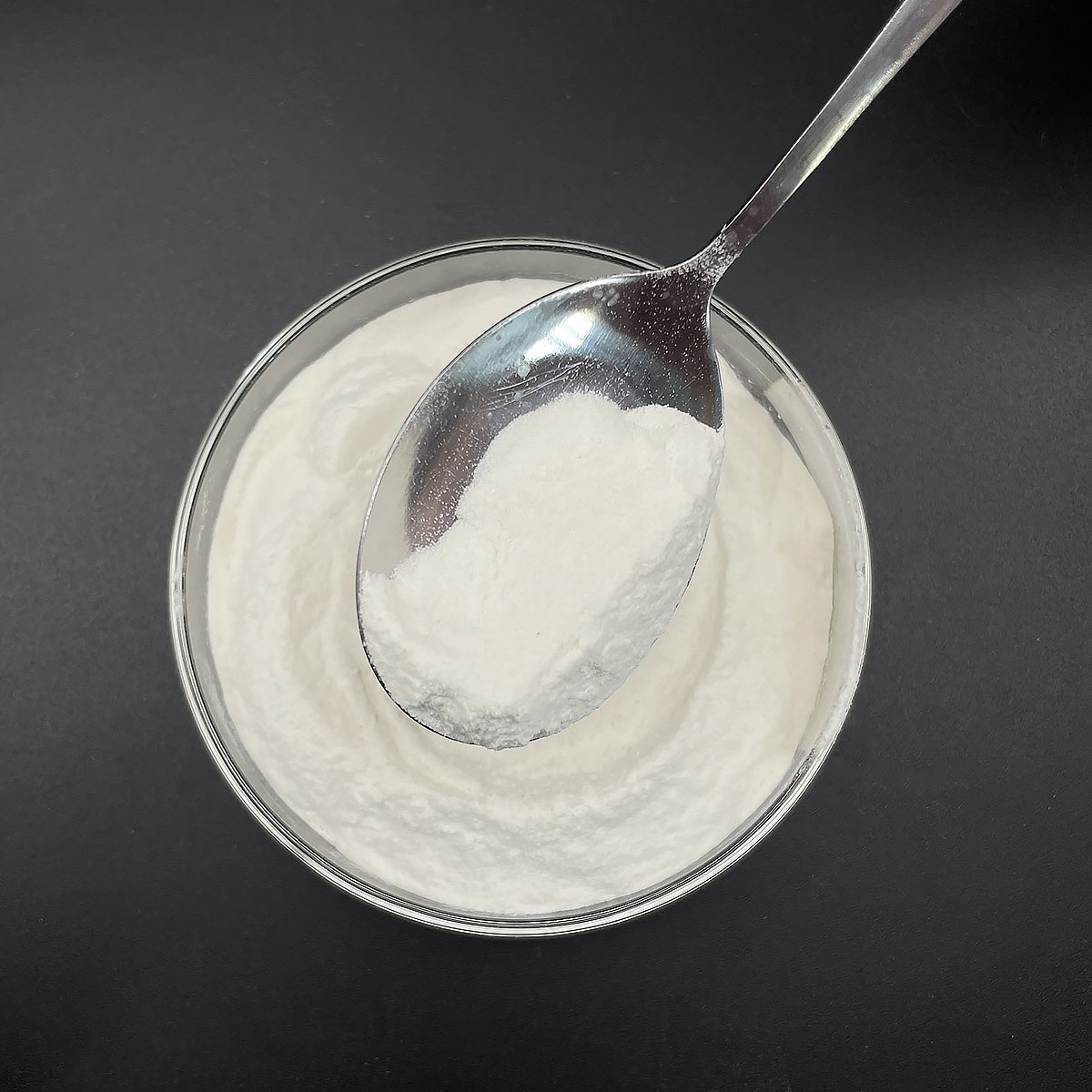
When HPMC dissolves in water, its polymer chains extend and intertwine in the aqueous solution, forming a network structure with certain viscoelastic properties. This structure enhances the cohesion and yield stress of the mortar paste, slows the sedimentation rate of internal particles, effectively reduces bleeding and segregation, and ensures uniform and stable mortar consistency.
In thick-layer plastering applications, the thickened mortar adheres more effectively to vertical substrates without significant sagging, allowing for increased application thickness per pass. In tile installation applications, the thickening effect helps the adhesive maintain appropriate ridge patterns after application with a notched trowel, reducing tile slippage after placement. This performance has practical significance for ensuring uniform bond line thickness and final bond strength.
HPMC imparts favorable lubricity and thixotropy to mortar. Thixotropy refers to the property by which the paste viscosity decreases and fluidity increases under shear stress, with viscosity recovering after shear is removed. This property reduces flow resistance during troweling and application, making operations smoother and less physically demanding, while viscosity recovery after shearing maintains sag resistance.
In practical operation, this performance is reflected in lighter troweling feel and easier pressing and sliding during tile installation. Reduced application resistance contributes to improved on-site work efficiency, lowers physical strain on workers, and supports consistency in construction quality.
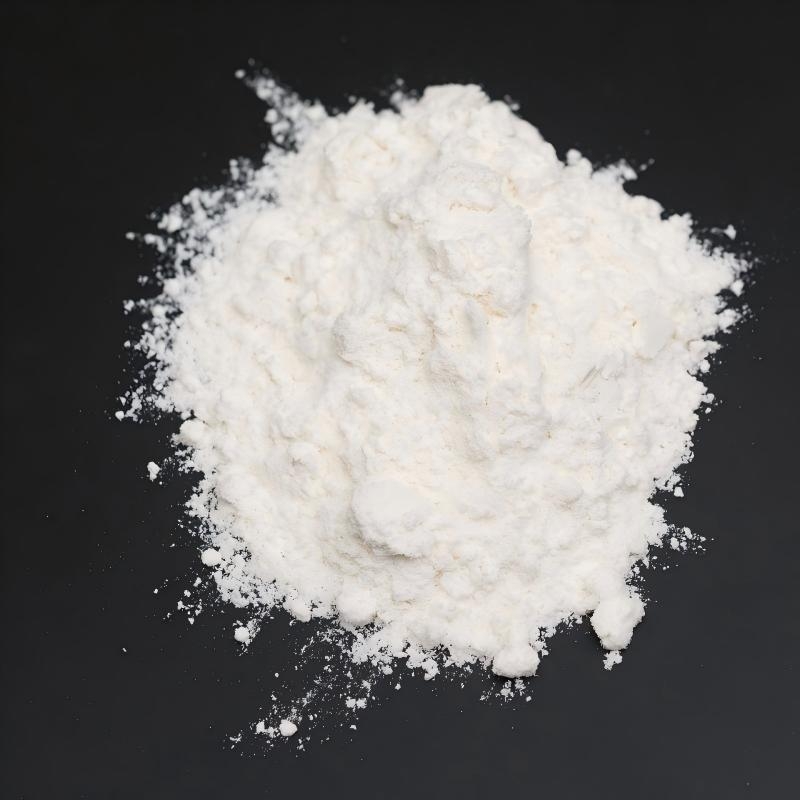
HPMC products are available in a range of viscosity grades, with different viscosities exhibiting variations in water retention, thickening, and rheological properties to suit the performance requirements of different mortar systems.
Low-viscosity grades offer better solution fluidity and are suitable for systems requiring higher flowability, such as self-leveling mortar. In self-leveling applications, low-viscosity HPMC provides basic water retention without significantly restricting the flowability of the paste, allowing the self-leveling material to spread properly under its own weight.
Medium-viscosity grades achieve a balance between water retention and thickening, making them suitable for常规 applications such as plastering mortar and tile adhesive. This viscosity range meets the combined requirements of water retention and sag resistance in most plastering and bonding applications.
High-viscosity grades provide more pronounced thickening and water retention effects, making them suitable for products requiring greater thickening and water retention, such as putty and thermal insulation mortar. In putty, high-viscosity HPMC contributes to achieving proper application thickness and surface smoothness. In thermal insulation mortar, its thickening effect helps prevent the floating and segregation of lightweight aggregates.
When selecting a specific grade, consideration should be given to the flowability requirements of the target mortar system, application method, substrate absorbency, and environmental conditions.
Dosage control is a key factor in HPMC application. The actual addition rate should be adjusted according to ambient temperature, powder fineness of raw materials, and other factors. At higher ambient temperatures, evaporation accelerates, and HPMC dosage may be increased to ensure adequate water retention. At lower temperatures, dosage may be reduced to avoid excessively prolonged open time affecting construction scheduling. Finer powder materials have greater specific surface area and increased water adsorption demand, requiring corresponding adjustment of HPMC addition. Excessive dosage may result in overly high paste viscosity, increased application resistance, and slower drying, potentially affecting project timelines. Insufficient dosage fails to provide adequate water retention and thickening, compromising application performance and hardened quality. When adjusting dosage, stepwise fine-tuning with observation of paste condition is recommended.
Pre-production trial mixing is a necessary step before large-scale production. Variations between different batches of cement, gypsum, calcium carbonate powder, and fillers may affect HPMC performance in the formulation. Before formal large-scale production, trial mixing using the actual raw materials to be used on site is recommended, with observation of water retention, viscosity, application feel, and open time. Only after confirming stable performance meeting requirements should bulk production proceed, to ensure consistent product quality across batches.
HPMC performs a comprehensive function of water retention, sag resistance, and workability improvement in dry-mix mortar through the water retention effect of hydrophilic groups, the thickening effect of polymer chains, and the lubricating regulation of thixotropy. Low, medium, and high viscosity grades are available to suit various applications including self-leveling mortar, plastering mortar, tile adhesive, putty, and thermal insulation mortar. Appropriate grade selection and well-designed dosage are key factors in making full use of HPMC's functional value in dry-mix mortar systems.
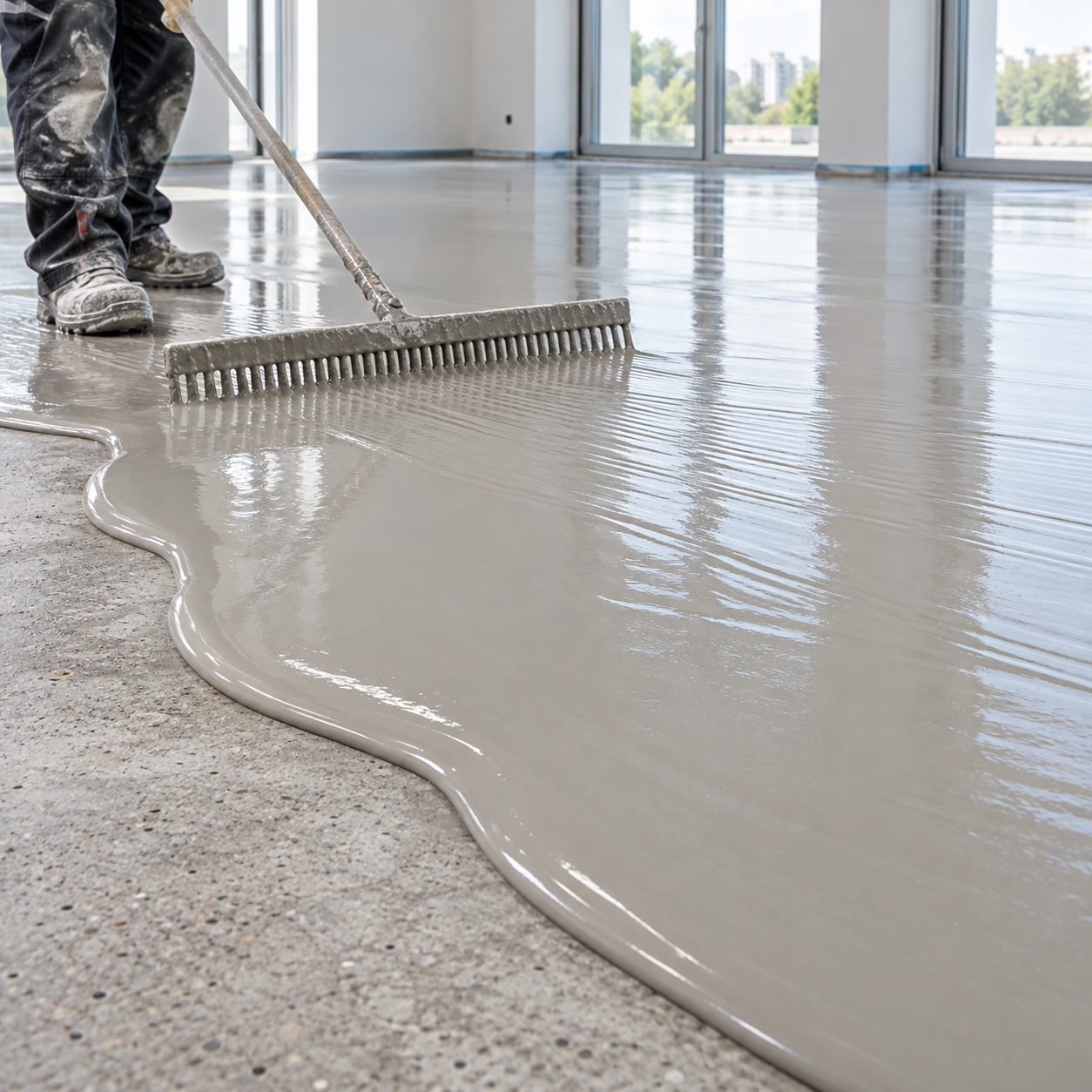 HPMC in Self-Leveling Mortar: Evaluating Flow, Stability and Surface Quality
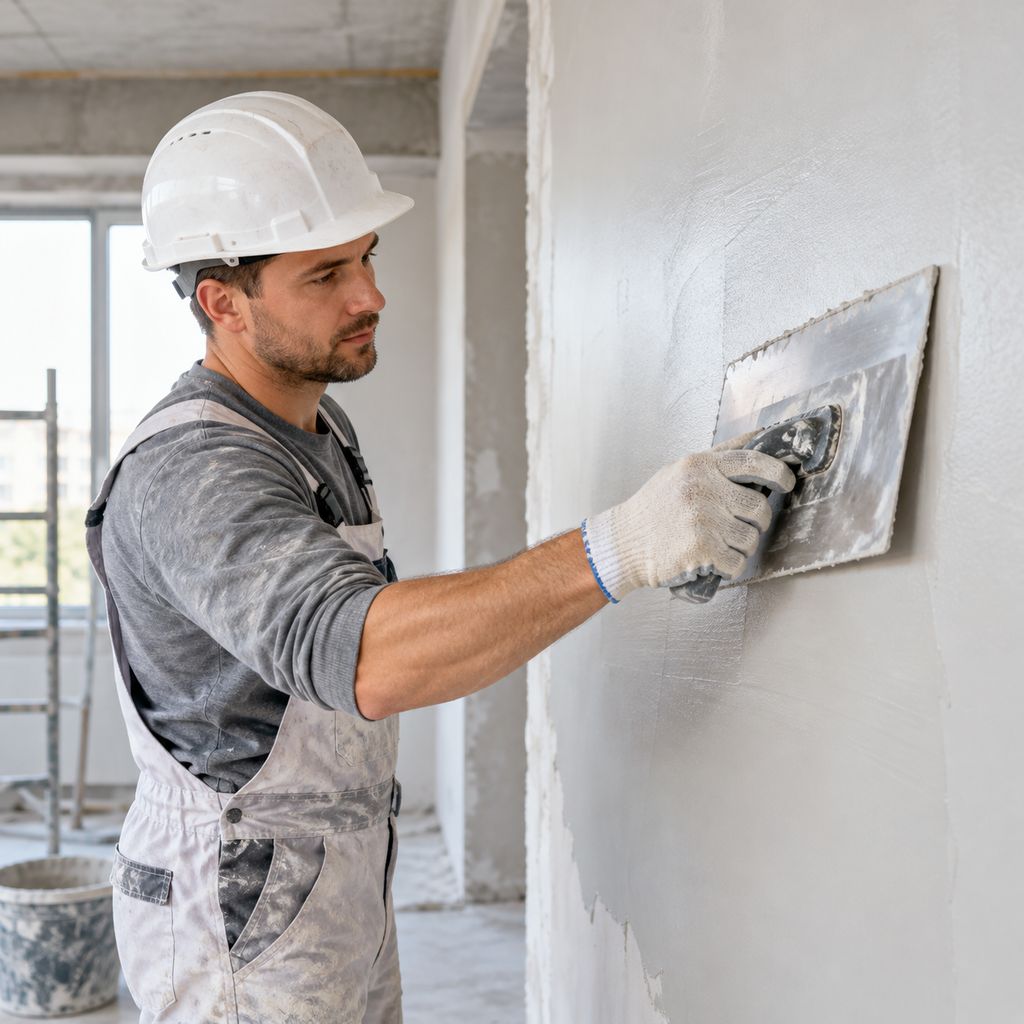 HPMC in Gypsum Plaster: How It Affects Workability, Water Retention and Surface Finish
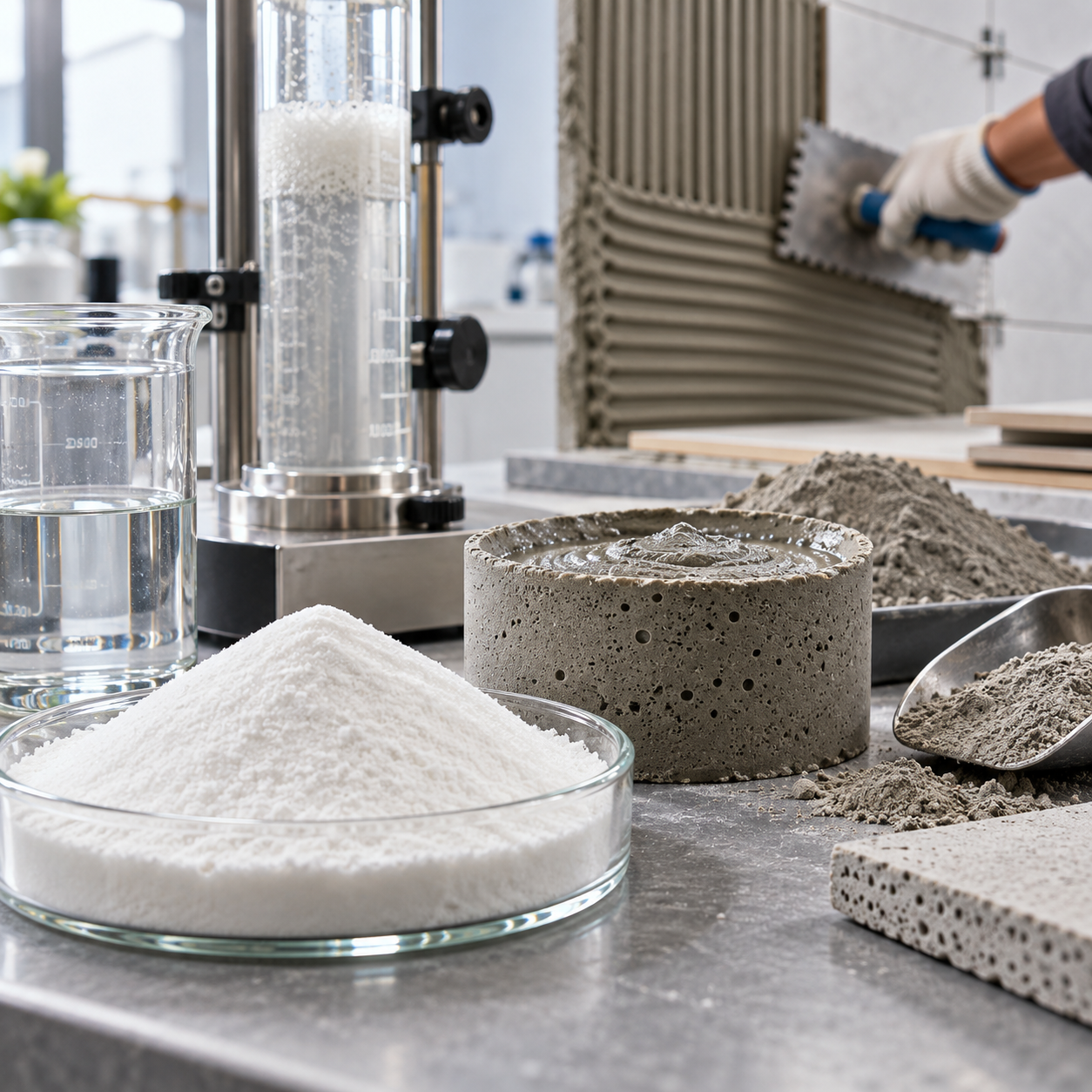 Why Does HPMC-Modified Mortar Contain Too Much Air? Causes, Testing and Formulation Troubleshooting
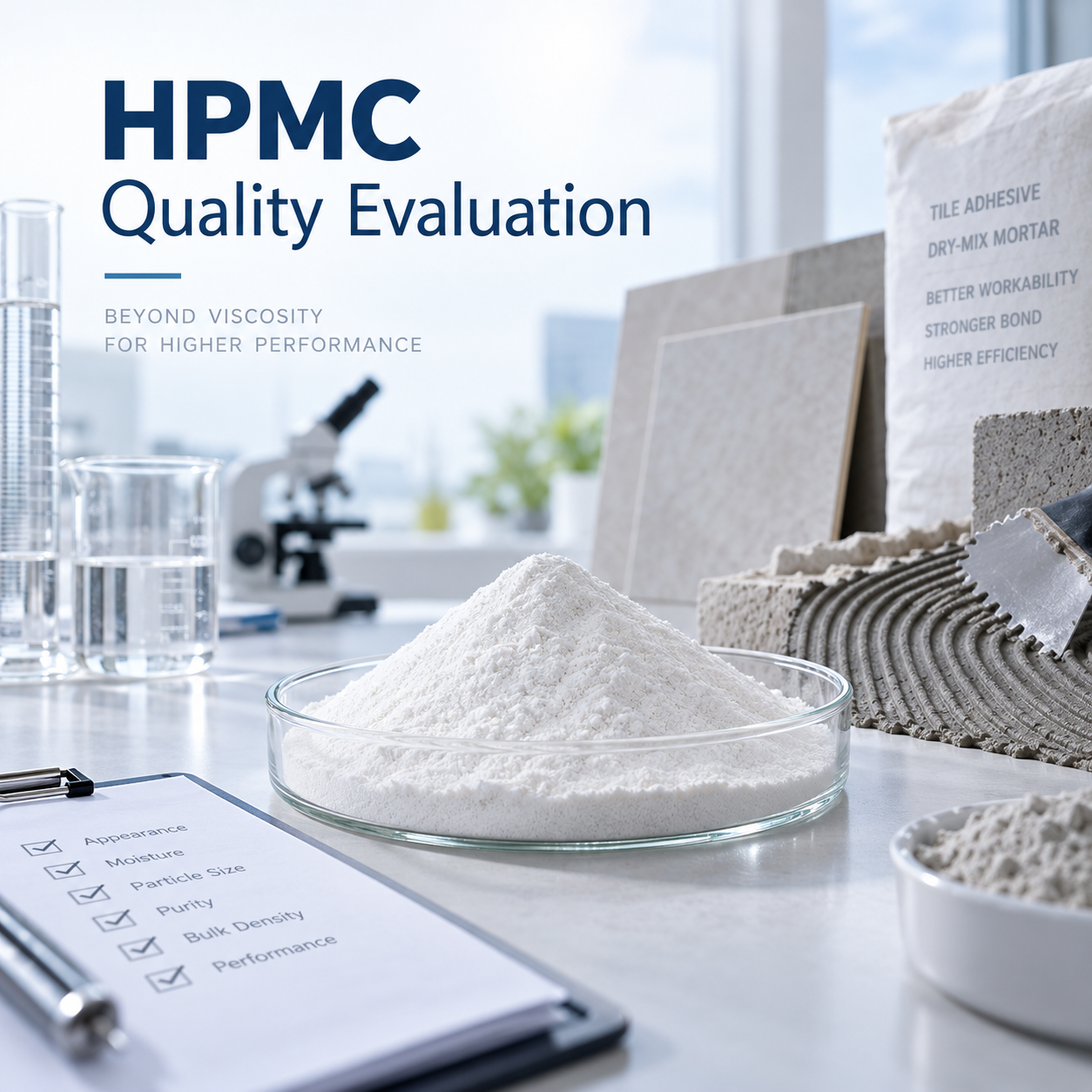 How to Evaluate HPMC Quality Beyond Viscosity? Key Parameters for Construction Grade HPMC Selection

