
External thermal insulation systems often use cement-based bonding mortars, base-coat mortars and finishing materials. These formulations must provide workable consistency, reliable adhesion and sufficient time for application under varying site conditions.
Hydroxypropyl methylcellulose, commonly known as HPMC, is a non-ionic cellulose ether used in many dry-mix construction materials. In insulation-system mortars, HPMC can support water retention, consistency control and improved application performance.
Cement-based mortars can lose water quickly when applied to absorbent substrates or under warm and dry conditions. HPMC helps retain water within the mortar system, supporting cement hydration and more consistent application.
A suitable HPMC grade can improve mortar cohesion and application feel. This helps installers spread the material more evenly and reduces the risk of poor handling caused by excessive water loss or insufficient consistency.
For vertical-wall applications, mortar needs to remain stable after application. HPMC can support rheology control and help improve sag resistance in suitable formulations.
The right HPMC grade depends on the formulation, raw materials and required construction performance. Buyers should evaluate:
Viscosity and water-retention performance
Dissolution behavior and powder fineness
Compatibility with cement, fillers and polymer powders
Effects on workability, open time and sag resistance
Batch consistency and storage stability
A higher viscosity grade does not automatically produce a better mortar. The selected grade should be tested within the complete formulation to achieve a balance between water retention, workability and mechanical performance.
Laboratory testing is recommended before full-scale production. Important evaluation items include water retention, mixing behavior, open time, workability, adhesion and compatibility with insulation-board systems.
Environmental conditions, substrate absorption and construction methods can also affect final performance. Practical testing helps formulators select an HPMC grade that matches the intended application.
Xingzhenghe Chemical supplies construction-grade HPMC for dry-mix mortar applications, including insulation systems, tile adhesive, wall putty and plastering mortar. We can support customers with product information, sample evaluation and quotation requests.
Contact us to discuss your ETICS or insulation-mortar formulation requirements.
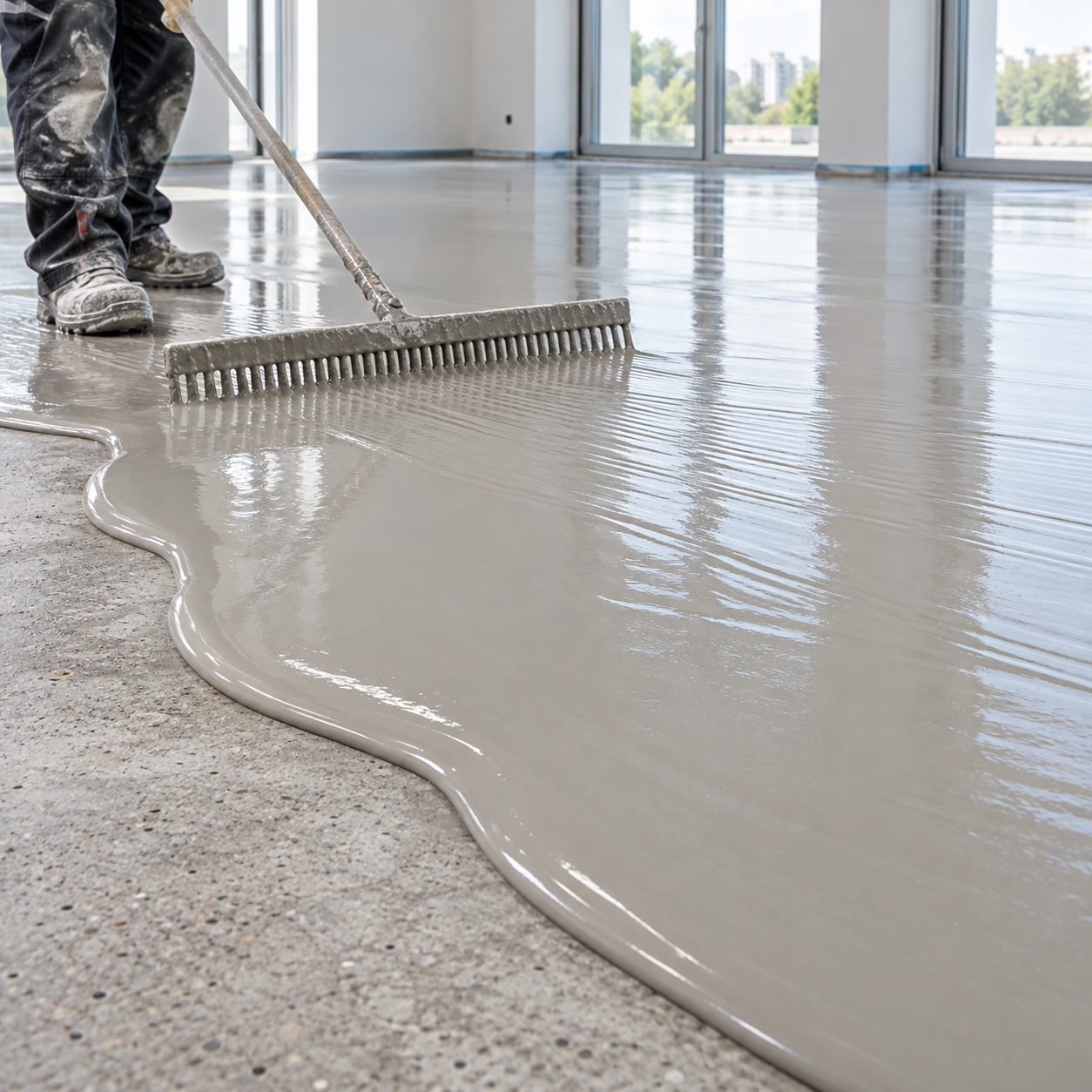 HPMC in Self-Leveling Mortar: Evaluating Flow, Stability and Surface Quality
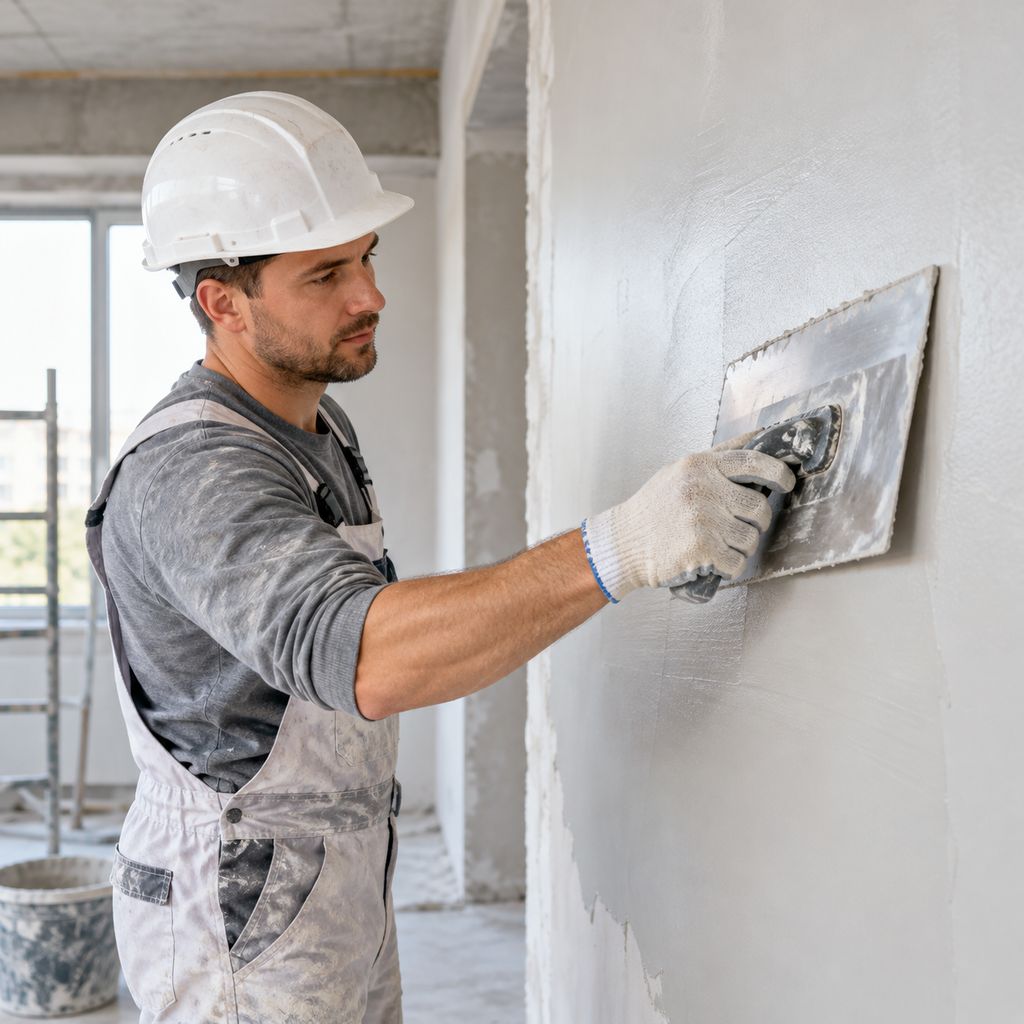 HPMC in Gypsum Plaster: How It Affects Workability, Water Retention and Surface Finish
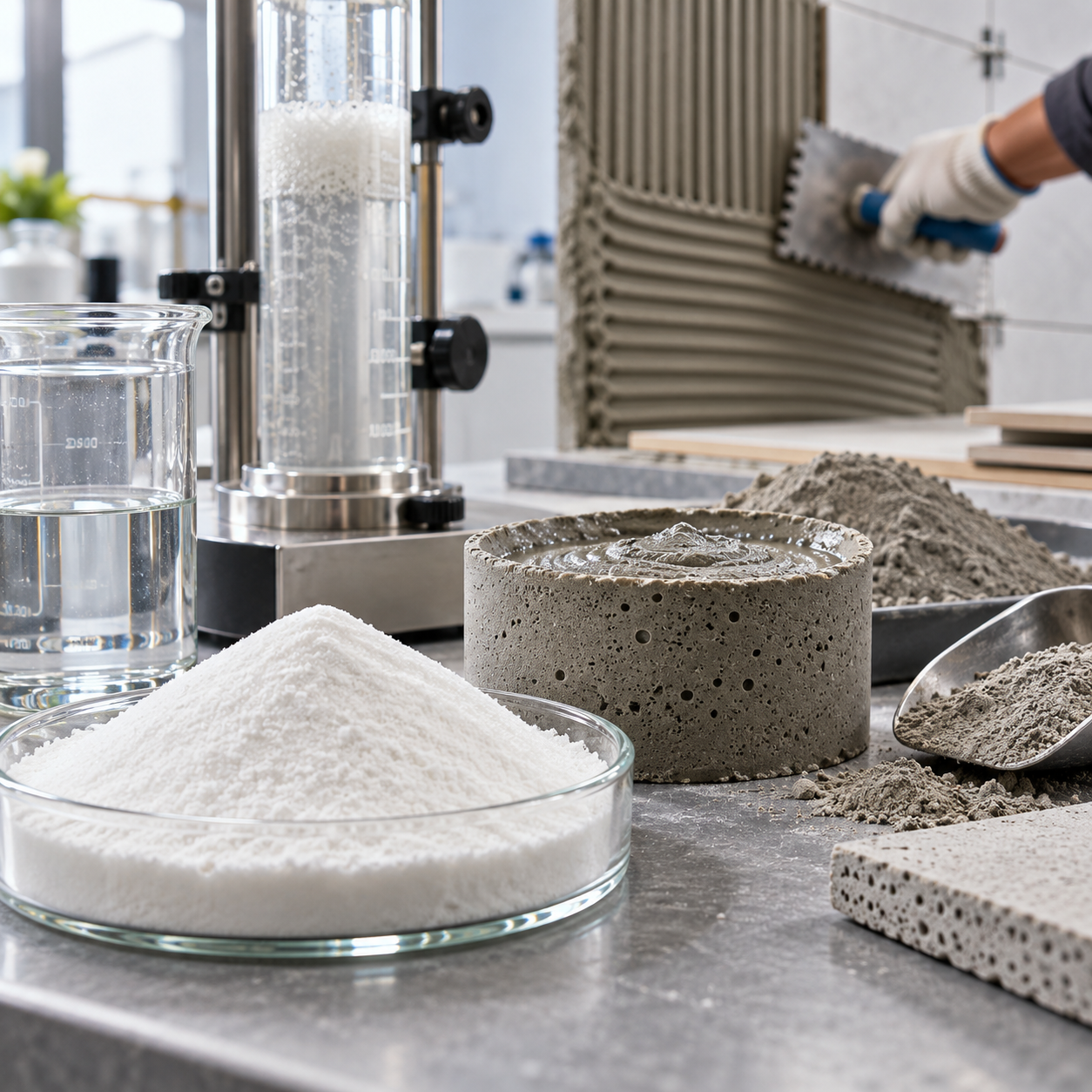 Why Does HPMC-Modified Mortar Contain Too Much Air? Causes, Testing and Formulation Troubleshooting
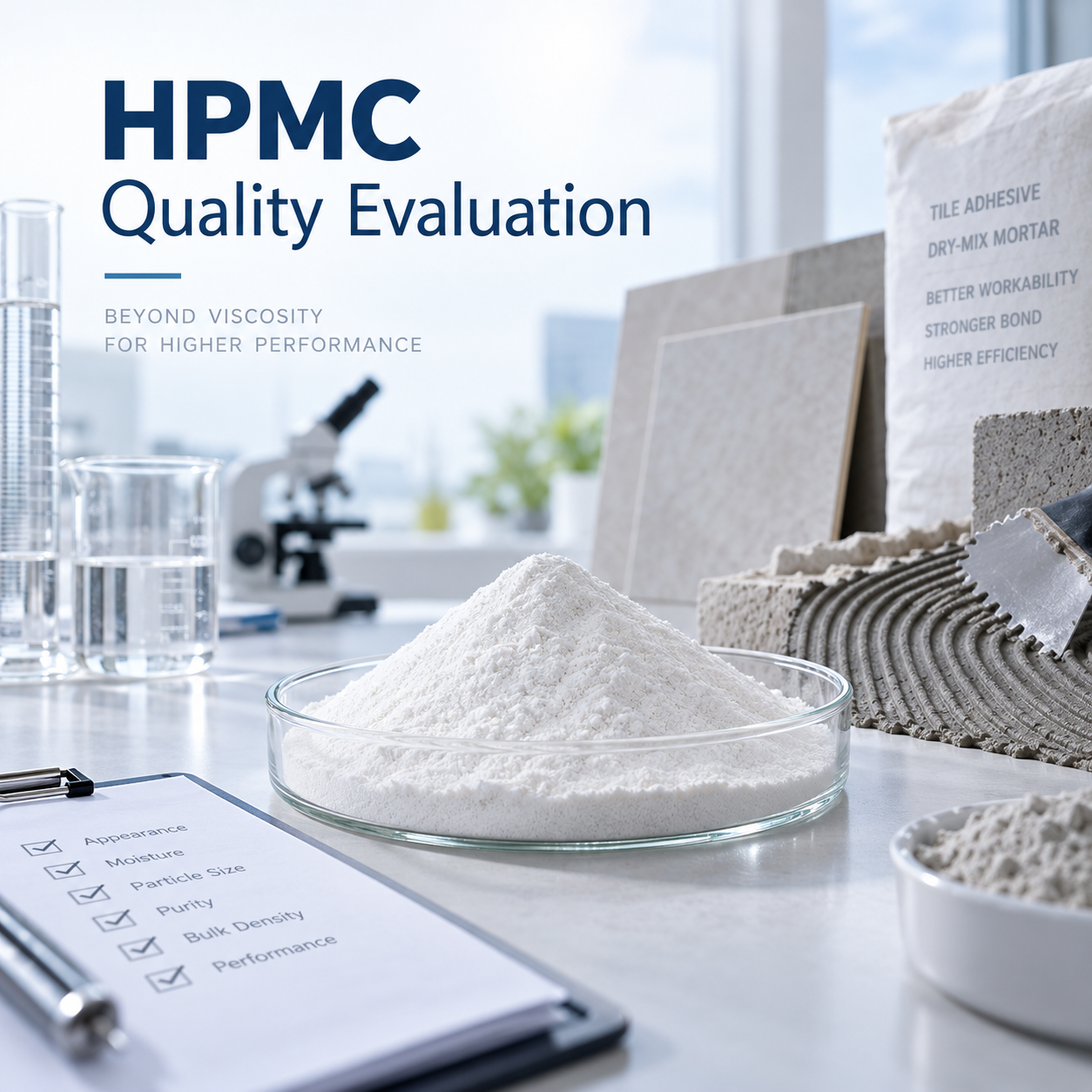 How to Evaluate HPMC Quality Beyond Viscosity? Key Parameters for Construction Grade HPMC Selection

